4 Arrested in Kenya Over Suspected Cyanide Poisoning of Amboseli Elephants
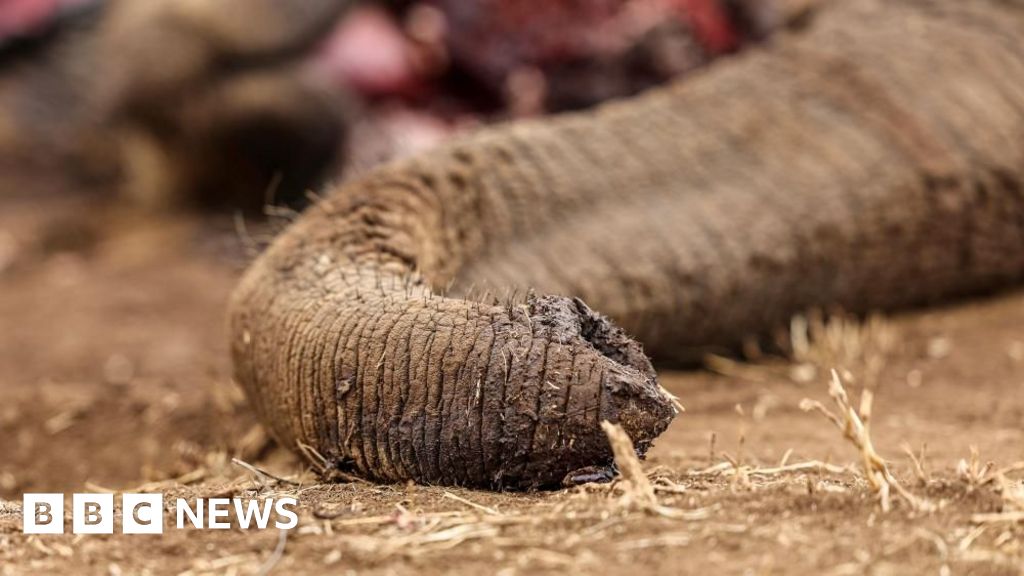
Four suspects—three Kenyan nationals and one Tanzanian national—have been arrested in Kenya in connection with the suspected cyanide poisoning of at least 18 elephants in the Amboseli National Park ecosystem, according to statements released by the Kenya Wildlife Service. Preliminary laboratory tests detected traces of cyanide in crop samples taken from the stomachs of the dead animals, which included mainly female adults and their calves.
Investigation Focuses on Smuggled Pesticides and Tomato Farms
The investigation centers on agricultural plots in the Kimana area, a vital wildlife corridor situated between Amboseli National Park and Tsavo National Park in southern Kenya. According to the Kenya Wildlife Service, authorities are examining whether the elephants died after consuming large quantities of tomatoes sprayed with illegal pesticides. The Amboseli ecosystem spans the porous border with Tanzania, a route utilized by more than 2,000 elephants searching for food and water.
Pesticides prohibited under Kenyan regulations are occasionally smuggled across the border from Tanzania into the Amboseli region. In these areas, elephants live in close proximity to human settlements and frequently raid agricultural plots for food. Laboratory analysis of blood samples remains ongoing to confirm precise chemical concentrations, according to Dr. Isaac Lekolool, head of veterinary services at the Kenya Wildlife Service.
Managing these complex trans-border agricultural zones requires stringent enforcement of chemical safety standards.
Paralysis Symptoms and Conflicting Local Perspectives
Affected elephants displayed physical signs of paralysis and difficulty breathing prior to their deaths, symptoms that veterinary officials associate with cyanide poisoning. Dr. Lekolool noted that postmortem examinations revealed tomatoes and watermelons inside the animals’ stomachs. Dr. Lekolool disputed claims that cyanide may have been present in the park due to illegal mining.
Local agricultural workers have expressed skepticism regarding the findings. Elvis Muchai, a farmer who has cultivated tomatoes in the Kimana area for two decades, stated that he had never previously encountered farmers poisoning wildlife. Local communities have historically coexisted with elephants despite recurring crop losses when wild animals breach electric fencing.
Escalating Human-Wildlife Conflict and Conservation Concerns
Agricultural expansion near Amboseli park has intensified friction between local farmers and migrating herds. Kenya’s National Elephant Plan identifies conflict with humans as the second leading cause of elephant mortality following poaching. Historical records from the plan indicate that between 2000 and 2020, at least 1,160 elephants died in incidents linked to self-defense or retaliatory killings.

Despite these historical tensions, Duncan Juma, communications director for the Kenya Wildlife Service, dismissed human-wildlife conflict as the motive in this specific case, emphasizing community support for local fauna. Concurrently, international organizations have underscored the broader systemic challenge. Ben Wandago, East Africa Director for the International Fund for Animal Welfare, stated that the incident highlights an urgent need to address underlying causes of human-wildlife conflict as human settlements and wildlife increasingly share space.
The four suspects have been released on bail while police inquiries proceed. As laboratory teams finalize toxicological reports, wildlife authorities continue to urge heightened caution regarding the handling and deployment of agricultural agrochemicals across border-adjacent farming sectors.