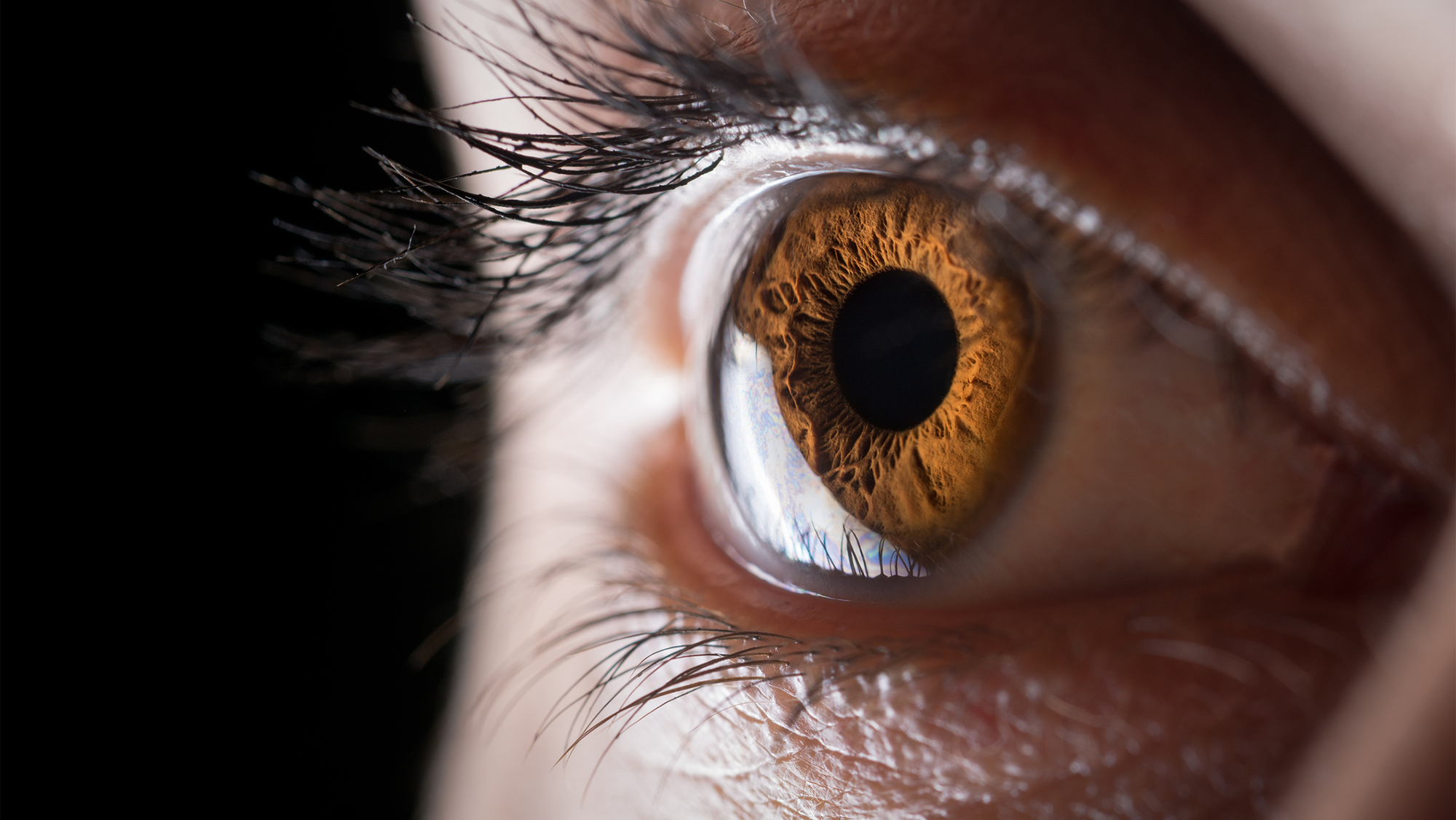
3D-Printed Corneas Offer Hope for Global Vision Shortages
Scientists are successfully 3D bioprinting human corneal tissue to bypass a severe global shortage of donor organs, with early human trial data revealing that patients can regain functional sight. According to interviews with Precise Bio co-founders Aryeh Batt and Dr. Anthony Atala published by Live Science, a Phase I clinical trial is currently evaluating the safety of these lab-grown implants. The technology uses a single human donor cornea to generate hundreds of transparent, multi-layered ocular substitutes through advanced cellular proliferation and bio-ink printing.
- Global Donor Deficit: According to Precise Bio CEO Aryeh Batt, roughly 70 people go without a transplant for every single available donor cornea, leaving an estimated 12 million to 15 million individuals worldwide without access to necessary tissue.
- Cellular Precision: The bioprinting platform deposits human cells at a density exceeding 4,000 cells per square millimeter—nearly double the average of traditional donor tissue—potentially yielding superior optical outcomes.
- Clinical Timeline: Phase I trials are underway in Israel, with plans to transplant an additional 10 patients by the end of the year before filing an Investigational New Drug application with the U.S. Food and Drug Administration ahead of a targeted 2030 commercial release.
The Epidemiological Crisis in Corneal Transplantation
Corneal transplants are standard-of-care surgical procedures used to treat severe corneal scarring, inflammation, eye trauma, and complications arising from previous eye surgeries. These procedures replace the damaged clear dome at the front of the eye with healthy tissue. Traditionally, donor corneas are harvested from deceased individuals within hours of death, screened, and preserved in eye banks for up to a few weeks before implantation. However, strict logistics and a severely constrained supply chain create a massive clinical deficit. For patients facing conditions such as pseudophakic bullous keratopathy—where the cornea swells permanently and forms fluid blisters following cataract surgery—access to timely surgical intervention remains severely restricted by organ availability.
Bioprinting Mechanics and Single-Cell Resolution
To overcome donor scarcity, Precise Bio developed a proprietary regenerative medicine platform that isolates cells from a single donated cornea and expands them in a laboratory setting. According to Dr. Anthony Atala, director of the Wake Forest Institute for Regenerative Medicine, one initial tissue sample can yield enough cellular material to manufacture over 400 distinct corneal implants. The fabrication process utilizes human collagen and extracellular matrix (ECM) components as structural bio-ink. A specialized printing tool deposits human endothelial cells layer by layer with single-cell resolution, closely mimicking the natural anatomical architecture of a healthy human eye.
This printed tissue is engineered with distinct mechanical flexibility, allowing the implant to be rolled, loaded into a surgical injector, and unrolled inside the patient’s eye. Furthermore, automated production lines perform rigorous quality control testing for fungal and viral contaminants, removing the infection risks inherent in standard donor tissue processing.
Clinical Trial Outcomes and Future Regulatory Pathways
In the ongoing Phase I clinical trial in Israel, researchers recently reported successful outcomes in early participants. One patient, who had been legally blind in the treated eye for 14 years due to severe corneal swelling, recovered normal vision within weeks of the procedure, regaining the ability to read restaurant menus and television subtitles. According to Dr. Atala, post-operative recovery mirrors traditional donor transplants, featuring rapid initial visual improvement followed by sustained gains. Mild steroid eye drops are utilized to manage the low risk of immune rejection, a hazard mitigated by the natural immune-privileged status of the cornea.

Precise Bio plans to complete the Phase I trial in 2026. Following the completion of this initial phase, the company intends to submit an Investigational New Drug application to the U.S. Food and Drug Administration to initiate studies across the United States, Europe, and high-demand regions like India, with extended studies planned for 2027.
*Disclaimer: The information provided in this article is for educational and scientific communication purposes only and does not constitute medical advice. Always consult with a qualified healthcare provider regarding any medical condition, diagnosis, or treatment plan.*