
3D analysis revolutionizes Liver Tumor Ablation, Slashing Recurrence Rates
Table of Contents
Radboudumc researchers have unveiled a groundbreaking advancement in the treatment of small liver tumors, significantly improving outcomes for patients undergoing ablation therapy. By integrating advanced 3D software analysis with CT imaging, the technique has dramatically reduced the rate of cancer recurrence, offering a less invasive yet highly effective alternative to surgery.
Liver tumors up to three centimeters in size are typically managed through surgery or ablation. Ablation, a minimally invasive procedure where a needle is used to heat and destroy the tumor, offers faster recovery and fewer complications. Though, historically, it has been associated with a higher risk of cancer recurrence compared to surgical removal.
Enhanced Precision through 3D Imaging
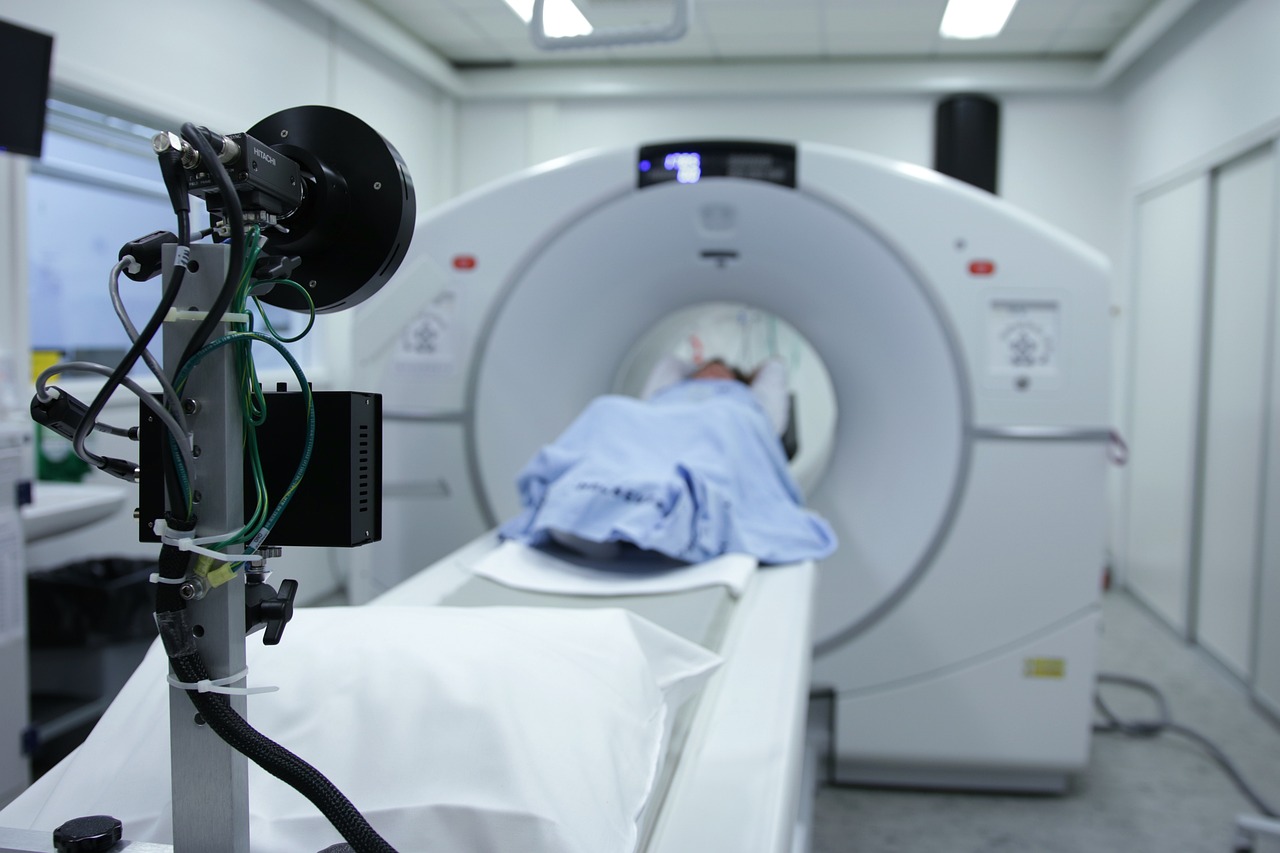
The new process, developed through a collaborative effort between oncological surgeons and imaging specialists, centers on a detailed 3D analysis performed instantly after the ablation procedure. While the patient is still under anesthesia, a CT scan is taken. This scan is then meticulously analyzed using sophisticated 3D software, providing a far more accurate visualization of the tumor and the treated area than conventional visual assessment.
By overlaying pre- and post-treatment images,clinicians can precisely determine if the entire tumor has been successfully eradicated. This enhanced precision is key to the therapy’s improved efficacy.
Promising Results: recurrence Rates Plummet
The results of this innovative approach are highly encouraging. Studies show a remarkable decrease in liver tumor recurrence within two years following ablation,dropping from a previous rate of 33% to under 10%. This significant improvement underscores the power of leveraging advanced technology to directly benefit patient care.
This growth exemplifies the strategic application of technology in healthcare, not only leading to better patient outcomes through less invasive treatments but also contributing to reduced healthcare costs and a more sustainable healthcare system.
