
Air Force Reserve Aeromedical Evacuation Squadron Prepares for Deployment with Realistic Training
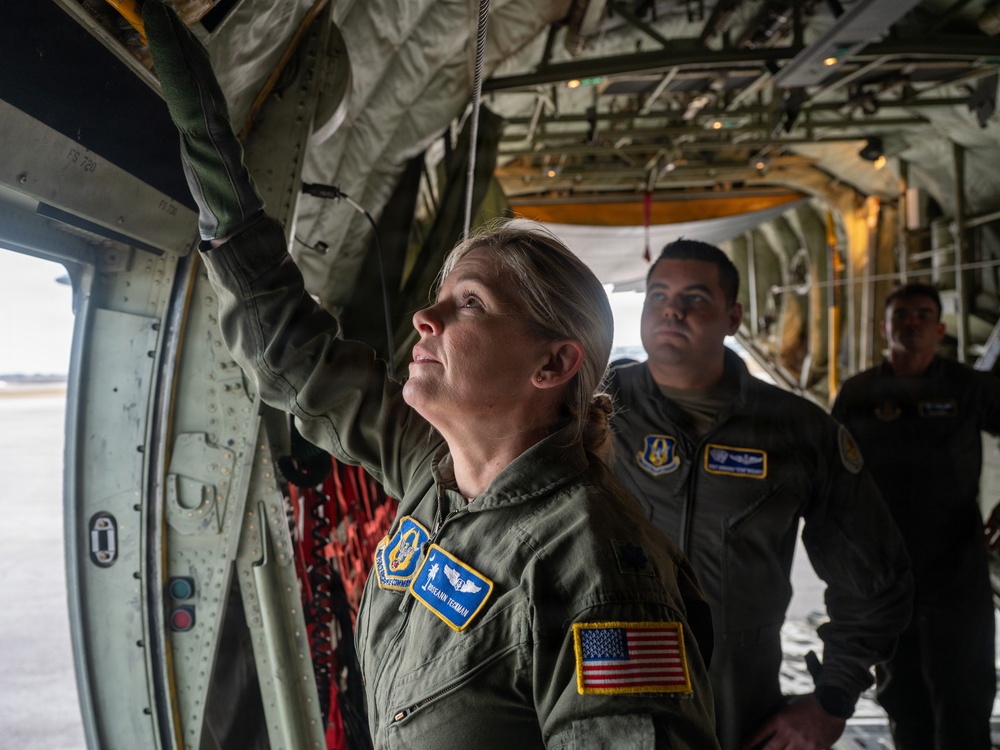
Airmen from the 315th Aeromedical Evacuation Squadron (AES) recently completed intensive,hands-on training in preparation for an upcoming overseas deployment. The January Unit Training Assembly (UTA), held January 10-11, 2026, focused on critical skills needed to provide life-saving care in the air, utilizing a C-130J Super Hercules aircraft provided by the 913th Airlift Group from Little Rock Air Force Base, Arkansas.
the Critical Role of Aeromedical Evacuation
aeromedical evacuation (AE) is a vital component of military healthcare, responsible for the rapid and safe transport of patients from the point of injury to higher levels of medical care. Unlike standard ambulance transport, AE often occurs over vast distances and in challenging environments, requiring highly trained flight medical technicians and specialized equipment. The 315th AES plays a critical role in this mission, providing en route medical care to service members and, in some cases, civilians.
The core skillset of an AE technician isn’t simply about medical competence. It’s a unique blend of expertise encompassing advanced trauma care,critical care nursing skills,and the ability to adapt to the constraints of flight – limited space,altitude effects,and potential turbulence. They become, in essence, a traveling intensive care unit.
Understanding the C-130J as a Flying Hospital
The C-130J Super Hercules is a workhorse of the Air Force, renowned for its versatility and ability to operate from relatively short and unimproved runways. For the 315th AES, the C-130J isn’t just a transport vehicle; it’s transformed into a fully-equipped flying hospital. This requires specialized configurations, including the installation of patient litter systems and life support equipment. The training emphasized practical aspects of this conversion.
“They’re physically touching the aircraft, opening hatches, configuring patient litter systems, and rehearsing exactly what they’ll be doing overseas,” explained Col. Rosa M. Ramos, commander of the 315th AES. “That hands-on experience is what builds confidence and readiness.”
Beyond the Aircraft: A holistic Deployment Preparation
The recent UTA wasn’t solely focused on in-flight procedures. Effective deployment necessitates a complete preparation plan addressing medical readiness, administrative compliance, and logistical coordination. This involves a collaborative effort from various roles within the squadron.
Medical and Administrative Readiness
Senior Airman Jasmine T. Villeda, a health services management journeyman, highlighted the importance of administrative tasks. “We’re only a few months out, so we’re making sure everyone is up to date on thier medical requirements, paperwork, and qualifications,” she stated. This includes ensuring all Airmen have current immunizations, medical clearances, and the necessary legal documentation for deployment.
Maintaining current qualifications is more than just a checklist item; it ensures the squadron’s ability to respond effectively to a wide range of medical emergencies. Regular refresher training and proficiency checks are integral to this process.
The Value of Experience: Mentorship and Knowledge Transfer
For newer Airmen, such as Senior Airman Mitchell T. Hetterscheidt, this training offered an invaluable possibility to learn from experienced personnel.Hetterscheidt, preparing for his first deployment, recognized the importance of real-world insights.“being able to walk through the aircraft and simulate real scenarios with experienced Airmen who’ve deployed before is huge,” he saeid.
This highlights the importance of mentorship within the squadron. Experienced airmen share lessons learned, anticipate potential challenges, and provide guidance on navigating the complexities of a deployed environment.This knowledge transfer is crucial for building a resilient and adaptable team.
Sacrifice and Teamwork: The human Element of deployment
Col. Ramos emphasized the personal sacrifices made by the Airmen and the extensive teamwork involved. “There’s a lot of work behind the scenes that people don’t always see,” she noted. “From coordinating aircraft support to ensuring every airman is medically and administratically cleared, it takes an incredible team effort. These airmen are making real sacrifices, leaving their families and civilian careers behind for months, and they take that responsibility seriously.”
These deployments demand families understand the mission and bear the weight of separation. The Air Force Reserve offers resources and support networks for both Airmen and their families to help navigate these challenges.
looking Ahead
The 315th AES will continue intensive preparations throughout the coming months, integrating additional flying and training events to refine their skills and ensure readiness. This dedication to preparation underscores the squadron’s commitment to providing critical aeromedical evacuation support whenever and wherever it’s needed. The success of this deployment hinges not only on technical proficiency but also on the unwavering dedication and teamwork of these Airmen.
Key Takeaways
- aeromedical evacuation is a vital military healthcare function providing rapid, life-saving transport.
- Hands-on training with the C-130J Super Hercules is crucial for building confidence and proficiency.
- Triumphant deployment requires comprehensive preparation, encompassing medical readiness, administrative compliance, and logistical coordination.
- Mentorship and knowledge transfer from experienced Airmen are essential for developing a resilient team.
- Deployment involves significant personal sacrifice, highlighting the commitment of Airmen and the importance of family support.
interested in learning more about opportunities in the Air Force Reserve? Visit www.AirForce.com or download the AIM HIGH app.
