
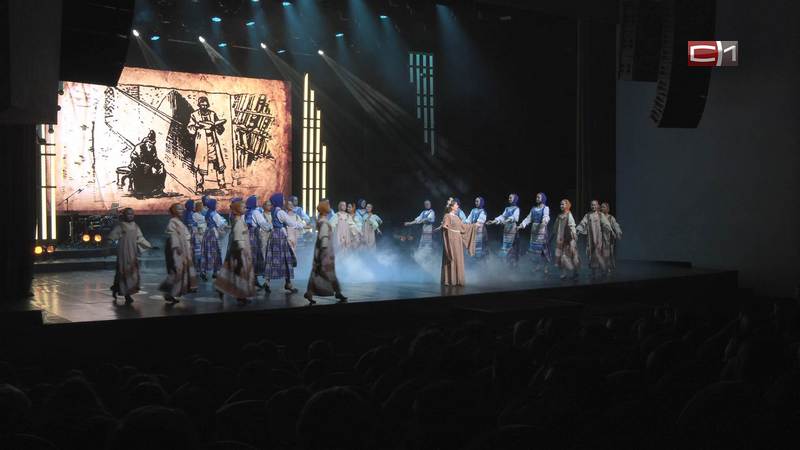
30,000+ Surgut Students Use Pushkin Card for Cultural Events
Over 30,000 schoolchildren in Surgut are leveraging the “Pushkin Card” to access concerts, cinema, and exhibitions. Launched in 2021, the program provides 5,000 rubles annually to motivate youth toward cultural consumption, successfully driving significant traffic to high-brow institutions like the Surgut Philharmonic.
The challenge of youth audience acquisition has long been the Achilles’ heel of the classical arts. For decades, the “high art” sector struggled to compete with the dopamine-loop of short-form digital content. However, the data coming out of Surgut suggests a successful pivot in cultural capital. By subsidizing the entry point, the program has transformed the local arts scene from an elitist enclave into a accessible playground for Gen Z. This isn’t just about ticket sales; it is a strategic exercise in brand equity for the city’s cultural institutions.
The scale of this engagement is staggering. When 30,000 students suddenly enter the ecosystem of theaters and galleries, the pressure on venue infrastructure becomes immense. Managing this volume of traffic requires more than just an open door; it demands elite event management specialists capable of handling high-density youth crowds without compromising the prestige of the venue. The transition from passive spectatorship to active participation is evident in the preferences of these teenagers, who are gravitating toward cinema, theatrical productions, and live concerts.
“I really liked the philharmonic. The Pushkin card is what gives the opportunity to come and listen to such attractive concerts. It was very interesting to learn about new instruments. To be honest, I hadn’t even heard of some of them before.”
This quote from Maria Lukyanova, a student at the Surgut Technological School, highlights the primary win: the discovery of “new instruments” and forms of expression. From an industry perspective, this is a textbook example of expanding a market by lowering the barrier to entry. The “Theory of Big Music” event held at the Surgut Philharmonic on April 13 proves that the appetite for complex, high-production value entertainment remains, provided the financial friction is removed.
The Operational Friction of the VTB Pivot
Whereas the cultural impact is positive, the backend logistics have been a masterclass in user friction. The transition of the program’s operator from Pochta Bank to VTB on January 1, 2026, created a significant administrative bottleneck. For a digital-native generation, any interruption in service is a critical failure. The mandate required users to apply for a card reissue by December 28, 2025, with a complete blackout of application services from December 29 to 31 due to “technological works.”
The most ruthless detail of this transition is the financial loss: remaining funds on the vintage Pochta Bank cards did not transfer to the new VTB cards. In the world of fintech, this is a catastrophic user experience. When a public-facing financial instrument undergoes such a jarring migration, it usually necessitates the intervention of fintech consultants to smooth over the transition and prevent a total collapse of user trust. The window for ticket sales on old cards slammed shut at 15:00 on December 31, 2025, creating a hard stop that likely left thousands of users in the lurch.
This operational pivot underscores the fragility of state-sponsored cultural initiatives. The gap between the “cultural ideal” (bringing kids to the Philharmonic) and the “financial reality” (bank operator switches and lost balances) is where most programs fail. To prevent such fallout, organizations often rely on strategic PR agencies to frame these technical failures as “necessary upgrades” rather than logistical oversights.
The Economics of the 5,000 Ruble Model
The financial architecture of the Pushkin Card is deceptively simple: a nominal value of 5,000 rubles, replenished every January. This creates a predictable, annual surge in demand, allowing cultural venues to forecast their “youth” revenue streams with precision. It essentially creates a guaranteed subsidy for the arts, ensuring that the “Theory of Big Music” and similar productions have a built-in audience regardless of the prevailing market trends.
- Audience Penetration: By targeting 7-11th grade students, the program captures the demographic at a critical stage of identity formation.
- Revenue Stability: Venues receive consistent funding through the card system, reducing the risk associated with niche classical programming.
- Market Diversification: The shift toward masterclasses and exhibitions indicates that youth are seeking experiential entertainment over passive consumption.
This model effectively treats culture as a utility. By providing the funds, the state is not just promoting art; it is investing in the long-term viability of the cultural sector. If a student discovers a passion for the Philharmonic at 14, the lifetime value of that customer to the arts industry is astronomical. This is the long game of cultural branding: creating a habit of attendance that persists long after the government subsidy expires.
As Surgut continues to see this trend grow, the focus must shift from mere “access” to “retention.” The current success is driven by “free” money, but the ultimate metric of success will be how many of these 30,000 students continue to purchase tickets once they age out of the program. The transition from a subsidized user to a paying patron is the hardest leap in the entertainment business.
For those navigating the complexities of large-scale cultural events or the legalities of public-private financial partnerships, the World Today News Directory remains the definitive resource for finding vetted legal consultants and event production experts who can turn logistical nightmares into seamless cultural moments.
Disclaimer: The views and cultural analyses presented in this article are for informational and entertainment purposes only. Information regarding legal disputes or financial data is based on available public records.