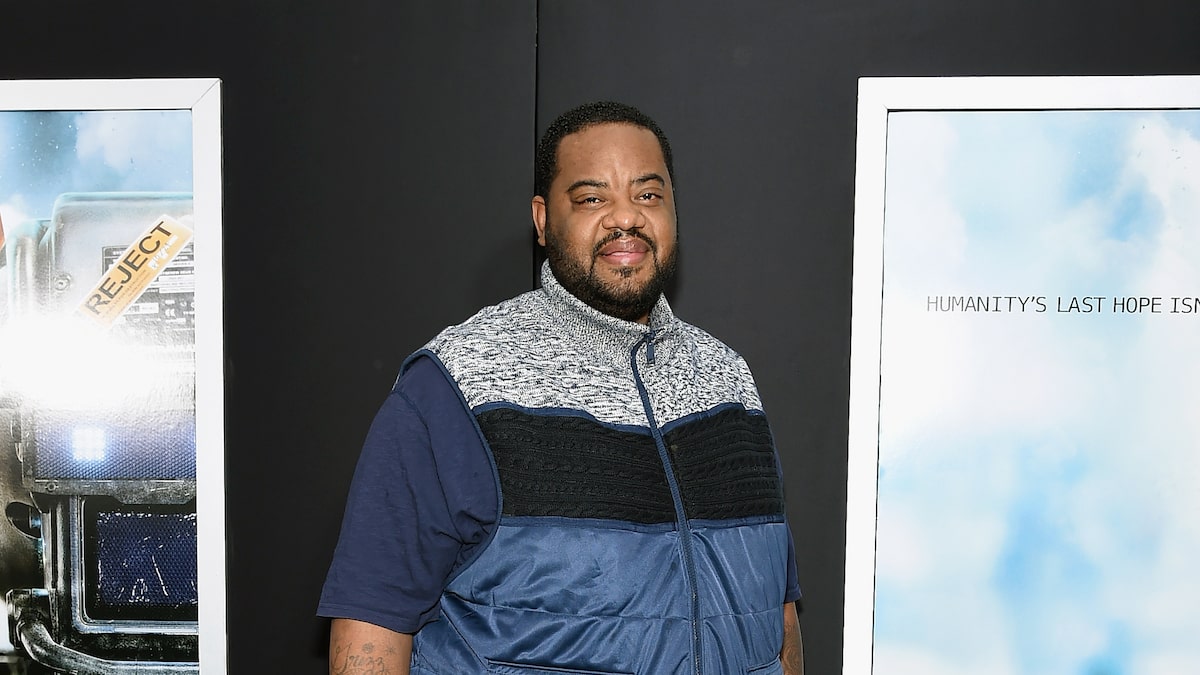
30 Rock Actor Grizz Chapman Dies at 52
Grizzwald “Grizz” Chapman, the seven-foot actor best known for his role as the loyal confidant to Tracy Jordan on NBC’s 30 Rock, passed away on Friday, May 22, 2026, at age 52. His passing, confirmed by his agent Renee Glicker, marks the loss of a distinct comedic presence in television history.
The death of a beloved ensemble performer in a foundational piece of television intellectual property like 30 Rock serves as a sobering reminder of the finite nature of talent in an industry driven by perpetual syndication and digital legacy. While the show concluded its seven-season run in 2013, its continued relevance on SVOD platforms ensures that performers like Chapman remain culturally visible long after production wraps. This longevity is the lifeblood of modern media, yet it creates a complex landscape for estate management and legacy preservation. When a production of this stature loses a key contributor, the immediate focus of the studio and representatives often shifts to maintaining the integrity of the actor’s body of work while navigating the delicate optics of public mourning.
The Anatomy of a Culturally Significant Legacy
Chapman’s career trajectory—from working as a bouncer in Brooklyn to becoming a recognizable fixture on primetime television—is a classic Hollywood narrative that underscores the importance of authentic casting. By casting Chapman and Kevin Brown as the constant companions to Tracy Jordan, the 30 Rock production team effectively anchored the show’s more surreal comedic elements in a grounded, albeit eccentric, reality. This balance of character archetypes is a cornerstone of successful sitcom production, contributing directly to the show’s enduring brand equity. In the current climate, where studios are aggressively leveraging back-catalog assets to bolster streaming service libraries, the passing of a supporting player underscores the necessity of having robust estate and intellectual property management in place to handle likeness rights and archival usage.

For all seven feet, 380 lbs of him, he was a remarkably sweet man who loved his family very much. He enjoyed working on 30 Rock every minute. His poor health curtailed his career unfortunately.
This sentiment, shared by his agent Renee Glicker, highlights the personal toll that often accompanies a high-profile career. Chapman’s history with kidney disease, which he spoke about as a spokesperson for the National Kidney Foundation, adds a layer of professional advocacy to his public identity. For talent who have leveraged their platform to champion health causes, the transition from active performer to public advocate is a critical phase. When such individuals pass, their representatives must manage the intersection of private grief and public legacy, a process that frequently requires the intervention of specialized crisis communication and reputation management firms to ensure that tributes and public statements remain aligned with the actor’s personal values and the family’s wishes.
The Economics of Sitcom Syndication
Television history is littered with shows that owe their longevity not just to the leads, but to the specific chemistry of the ensemble. 30 Rock operates on a level of intellectual property value that few sitcoms achieve. The backend gross potential for such a series relies heavily on the “stickiness” of every character, including those in the orbit of the main cast. While the public views this news through the lens of nostalgia, the industry views it through the lens of asset management. As platforms like The Hollywood Reporter and Variety often analyze, the value of a series in syndication is tied to the enduring appeal of its performers. The loss of a recognizable face can occasionally trigger reviews of usage rights and promotional materials, necessitating professional oversight from entertainment and copyright attorneys to navigate the nuances of SAG-AFTRA residuals and likeness protections.
Impact Analysis: Managing Talent Legacies
The sudden loss of an established talent creates a ripple effect that extends beyond the immediate production house. For agencies and management firms, the death of a client necessitates a shift in focus from active career development to long-term preservation. This transition involves several key operational shifts:

- Archival Integrity: Ensuring that the actor’s filmography remains correctly credited and that digital distribution platforms are updated to reflect accurate biographical data.
- Brand Stewardship: Protecting the actor’s name and likeness from unauthorized commercial exploitation in the wake of their passing.
- Advocacy Continuity: Determining how to continue the actor’s charitable work, such as Chapman’s previous contributions to kidney health awareness, in a way that honors their specific mission.
- Residual Management: Coordinating with guilds and unions to ensure that ongoing syndication royalties are correctly channeled to the actor’s beneficiaries.
The industry remains a business of relationships, and the passing of a figure like Chapman reminds us that the “talent” is the core unit of production. Whether it is an actor, a director, or a writer, every individual contributes to the overall market value of a project. As the media landscape continues to consolidate, the need for professional, vetted support systems—from talent management agencies to specialized legal counsel—becomes increasingly vital to ensure that the human element of entertainment is treated with the same precision as the financial one.
Grizz Chapman’s contribution to the cultural zeitgeist of the 2000s and 2010s is cemented in the streaming archives. As the industry looks toward the next cycle of production, the focus remains on nurturing the next generation of talent while respecting the legacies of those who defined the medium. For those managing the business of entertainment, the lesson is clear: the strength of a brand is only as robust as the care taken to protect its most valuable, and often most vulnerable, assets.
Disclaimer: The views and cultural analyses presented in this article are for informational and entertainment purposes only. Information regarding legal disputes or financial data is based on available public records.