
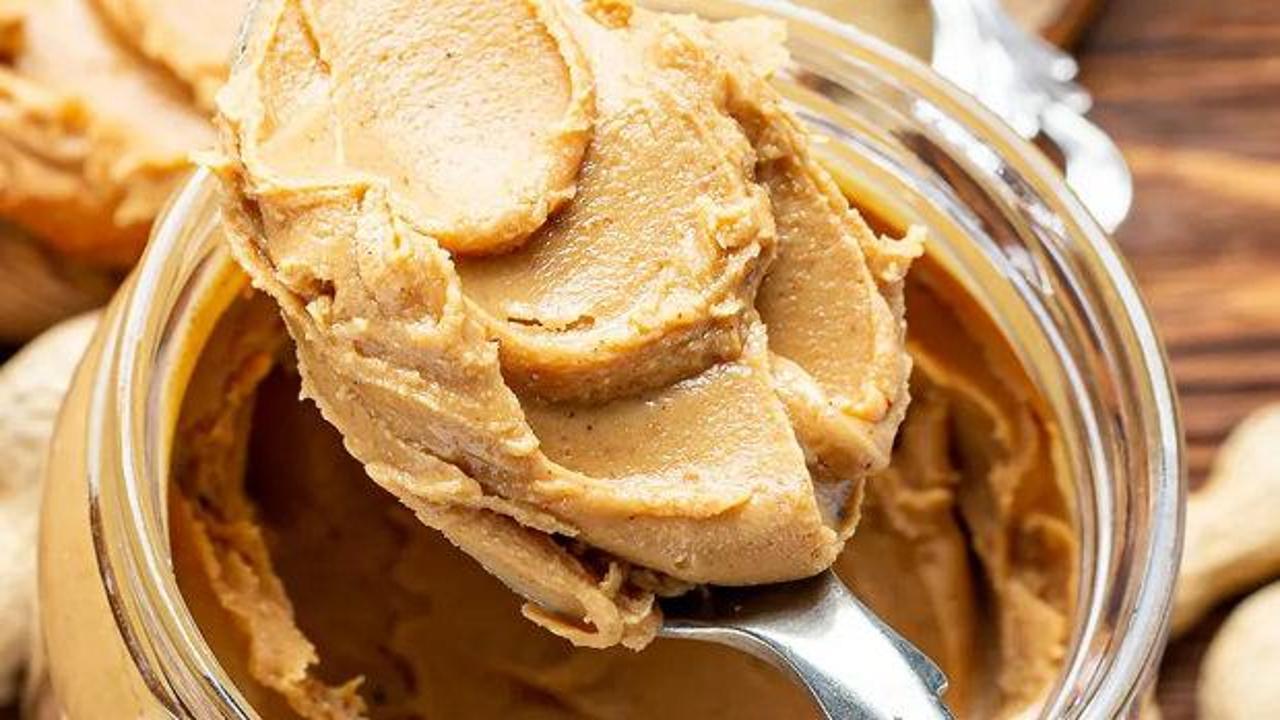
3 Nuts to Lower Cholesterol and Boost Heart Health
The silent progression of hyperlipidemia—elevated levels of lipids in the blood—remains one of the most significant, yet often asymptomatic, drivers of global cardiovascular morbidity. While pharmacological interventions such as statins are the established standard of care for many, recent clinical focus has pivoted toward the efficacy of targeted dietary interventions in managing low-density lipoprotein (LDL) cholesterol and preventing the pathogenesis of atherosclerotic plaque. Emerging nutritional data suggests that specific dietary additions, particularly certain nut varieties, may serve as a potent adjunct to traditional lipid-lowering therapies.
- Lipid Modulation via Dietary Fats: Consuming specific nuts, such as walnuts and almonds, introduces monounsaturated and polyunsaturated fatty acids that assist in optimizing cholesterol profiles.
- Plaque Prevention: Regular, moderate consumption of nutrient-dense snacks can support vascular health and potentially mitigate the buildup of arterial plaque.
- Holistic Nutritional Integration: Effective cholesterol management requires a move away from “miracle cure” mentalities toward consistent, evidence-based dietary patterns involving fiber and healthy fats.
The Pathogenesis of Lipid-Driven Cardiovascular Disease
To understand the clinical utility of dietary intervention, one must first address the underlying mechanism of atherosclerosis. When LDL cholesterol levels remain chronically elevated, these particles can infiltrate the endothelial lining of the arterial walls. This infiltration triggers an inflammatory response, leading to the accumulation of lipids, inflammatory cells, and calcium, ultimately forming a hardened plaque. This narrowing of the arteries restricts blood flow and increases the risk of acute myocardial infarction or stroke.
Nutrition acts as a primary modulator in this process. The bloodstream’s lipid profile is not static; it is highly responsive to the bioavailability of dietary components. Recent observations highlight that nutrition can be a “silent” factor in the progression of vascular disease, often remaining unaddressed until clinical symptoms manifest. Addressing this gap requires a proactive approach to dietary lipid management, focusing on the replacement of pro-inflammatory saturated fats with cardioprotective alternatives.
Biological Mechanisms of Nut-Based Lipid Modulation
The therapeutic potential of nuts—specifically walnuts, almonds, peanuts, and seeds like chia, flax, and pumpkin—lies in their complex biochemical composition. These foods are rich in monounsaturated fatty acids (MUFAs) and polyunsaturated fatty acids (PUFAs), which are critical for maintaining healthy cholesterol ratios. Unlike saturated fats, which can downregulate LDL receptor activity in the liver, unsaturated fats support the liver’s ability to clear LDL from the circulation.
the high dietary fiber content found in these plant-based sources plays a dual role. Soluble fiber can bind to bile acids in the digestive tract, prompting the liver to utilize circulating cholesterol to synthesize new bile, thereby lowering total serum cholesterol levels. The synergistic effect of healthy fats, fiber, and micronutrients provides a multi-pronged approach to improving endothelial function and reducing systemic inflammation.
“The integration of nutrient-dense fats into a daily dietary regimen is not merely a lifestyle choice; it is a targeted metabolic intervention that can significantly alter the trajectory of lipid-driven cardiovascular risk.”
Clinical researchers have long noted that the dose-response relationship in nutritional lipidology is nuanced. While media reports may sensationalize the idea of a “single spoon” or a “handful” as a magic bullet, the clinical reality focuses on the consistency of these nutrients within a broader dietary framework. The goal is to achieve a steady state of cardioprotective compounds that support the body’s natural lipid metabolism.
Addressing the “Miracle Cure” Fallacy in Clinical Nutrition
In the era of rapid information dissemination, medical news is frequently distilled into hyperbolic headlines. Claims that a single food item can “root out” or “instantly drop” cholesterol can lead to patient non-compliance with essential pharmacological treatments. It is vital to frame these nutritional findings within the context of a managed care plan. Dietary changes are most effective when viewed as a foundational component of a comprehensive strategy that may also include lifestyle modifications and, where indicated, physician-prescribed medication.
For patients managing high-risk profiles, relying solely on dietary shifts without clinical monitoring is a significant risk. The complexity of lipid metabolism means that individual responses to dietary fats can vary based on genetics, existing comorbidities, and current medication regimens. This underscores the necessity of professional oversight to ensure that dietary interventions are both safe, and effective.
Clinical Triage and Professional Management
For individuals presenting with dyslipidemia or those seeking to optimize their cardiovascular health through preventative measures, a multi-disciplinary approach is recommended. Managing the intricacies of a lipid profile requires more than general wellness advice; it requires precise, data-driven guidance.

Patients experiencing persistent elevations in LDL-C despite lifestyle changes should consult with board-certified cardiologists to evaluate their overall cardiovascular risk score. For those looking to implement significant dietary shifts, working alongside clinical nutritionists can ensure that nutrient intake is optimized without introducing contraindications. In complex cases involving metabolic syndrome or familial hypercholesterolemia, specialized lipid specialists may be necessary to coordinate advanced pharmacological and nutritional protocols.
As research continues to evolve in the fields of nutrigenomics and lipidology, the ability to tailor dietary interventions to an individual’s unique biological profile will become increasingly sophisticated. The current shift toward recognizing the profound impact of healthy fats and fiber on vascular health is a significant step toward a more preventative, rather than reactive, model of cardiovascular medicine. Staying informed through high-authority sources like PubMed and adhering to guidelines from the World Health Organization remains the best way to navigate the complex landscape of modern heart health.
Disclaimer: The information provided in this article is for educational and scientific communication purposes only and does not constitute medical advice. Always consult with a qualified healthcare provider regarding any medical condition, diagnosis, or treatment plan.