3 Famous Songs You Didn’t Know Were Inspired by the Berlin Wall
Bryan Adams Captures Cold War Paranoia in Heat Of The Night
Political commentary often hides inside mainstream radio hits, pulling inspiration from real-world geopolitical flashpoints. In the 1960s and 1980s, the Berlin Wall stood as both a physical and symbolic barrier dividing East and West Berlin, capturing the deep tensions of the Cold War and the ideological divide between the Soviet Union and Western powers. americansongwriter.com reported that Bryan Adams and his songwriting partner Jim Vallance traveled to Berlin in 1986 while the barrier was still standing, using their observations to shape the lyrics for “Heat Of The Night.”
The track drew additional inspiration from the post-World War II Vienna-set film The Third Man, layering a heavy sense of paranoia directly into the verses. The lyrics explicitly evoke this surveillance state atmosphere:
In the heat of the night they’ll be comin’ around / They’ll be lookin’ for answers they’ll be chasin’ you down / In the heat of the night / (Where you gonna hide when it all comes down) / (Don’t look back don’t ever turn around).
The Sex Pistols Find Decadence and Insanity at the Wall
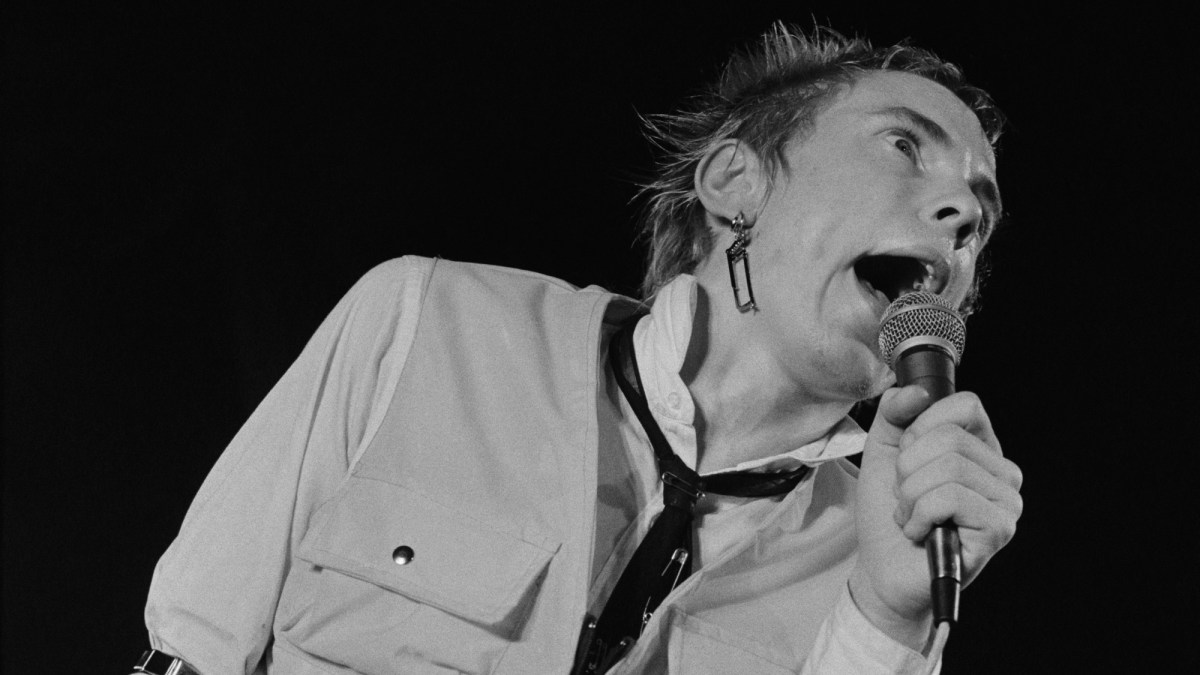
The Sex Pistols similarly turned their attention toward divided Germany, capturing the stark contrast of life beside the concrete barrier. Lead singer John Lydon detailed in his autobiography that London felt restrictive at the time, prompting the band to seek out alternative environments. As Lydon explained, they traded one confined space for another when visiting the Isle of Jersey and subsequently Berlin.
Decadence and political tension defined that era of the city. Lydon noted that the band loved the insanity of the place, describing the stark visual of communist guards looking across into the tireless, 24-hour circus atmosphere of West Berlin that never went to sleep.

Seal Witnesses the Global Unrest of 1989 and 1990
Musicians continued channeling the psychological weight of the divided city as geopolitical borders and alliances shifted dramatically. Seal wrote his hit song “Crazy” in response to the widespread global chaos unfolding between 1989 and 1990, specifically pointing to the fall of the Berlin Wall and the Tiananmen Square protests.
The chorus centers on survival, arguing that embracing a certain level of chaos is necessary to endure turbulent historical moments.