2027 Smartphones to Feature Silicon-Carbon Batteries and Ultra Cameras
Smartphone Hardware Shifts Toward Multi-Day Silicon-Carbon Batteries and Ultra Cameras
As manufacturers finalize production cycles for devices arriving in 2027, hardware design is pivoting sharply toward high-capacity silicon-carbon power cells and multi-sensor ultra camera arrays. This engineering shift moves away from software-heavy marketing pushes, addressing longstanding consumer demands for extended operational endurance and advanced optical performance.
The Tech TL;DR:
- Battery Evolution: Silicon-carbon technology is replacing traditional lithium-ion, enabling massive capacities such as Honor’s 11,000mAh cell, Xiaomi’s 8,500mAh unit, and Oppo’s 8,000mAh configuration.
- Optical Upgrades: Flagship devices are abandoning modest resolutions in favor of multiple 200-megapixel sensors engineered alongside traditional camera specialists like Leica, Hasselblad, and ARRI.
- Consumer Sentiment Divergence: While manufacturers continue to prioritize NPU performance and AI features during launch keynotes, survey data shows buyers consistently rank physical hardware traits like longevity above generative software tools.
Silicon-Carbon Chemistry Drives Massive Capacity Leaps
Battery longevity has anchored consumer wish lists for years, a priority validated by successive industry surveys including a YouGov study from 2023 and a CNET evaluation conducted in 2026. This persistent consumer demand is reshaping component engineering in real time via the commercial adoption of silicon-carbon battery chemistry.
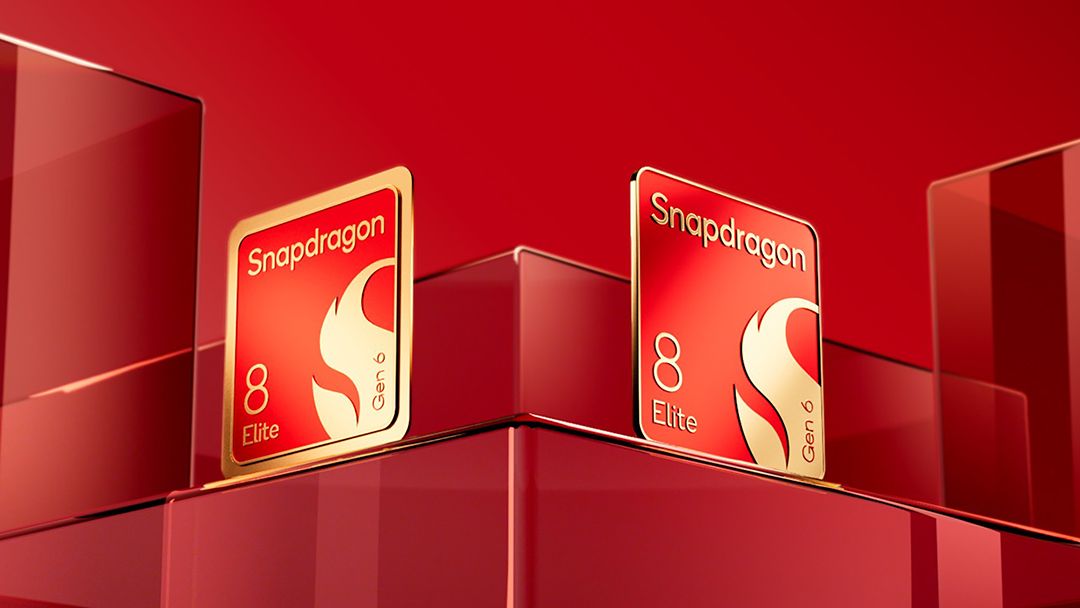
While transitioning away from traditional lithium-ion cells introduces specific manufacturing challenges, the chemistry permits energy densities that outpace legacy designs. For instance, devices preparing for market include Honor’s forthcoming model featuring an 11,000mAh battery—approximately double the capacity found in current compact flagships like the iPhone 18 Pro or Samsung Galaxy S26 Ultra. Qualcomm’s deployment of the Snapdragon 8 Elite Gen 6 hardware, which now features an Extreme version, pairs these gargantuan power packs with 2nm silicon efficiencies to target true multi-day operational endurance.
The Megapixel Race Evolves with Optic Partnerships
Despite heavy corporate emphasis on artificial intelligence capabilities during recent product unveilings—such as the prominent spotlight given to Siri AI improvements at Apple’s iPhone 18 Pro debut and NPU throughput at the Snapdragon Summit—imaging hardware remains a primary battleground for hardware differentiation.
The spec-sheet competition has escalated beyond single-sensor flagships toward multi-sensor ultra devices. Samsung’s Galaxy S26 Ultra utilizes a solitary 200-megapixel main camera, but competing hardware pushes the benchmark further. The Honor Magic 9 Pro Max features two 200-megapixel sensors developed alongside ARRI, while Xiaomi’s 18 Pro integrates a dual 200-megapixel system engineered with Leica. The Oppo Find X10 Pro Max incorporates three separate 200-megapixel sensors developed with Hasselblad, and the Motorola Signature 27 integrates high-resolution telephoto capabilities.
These hardware configurations rely on physical sensor scale and traditional optics partnerships rather than software interpolation alone. However, this hardware focus contrasts starkly with vendor messaging. Research from Pew Research indicates that only 10% of Americans report excitement regarding artificial intelligence features, with 50% expressing greater concern than enthusiasm. Stanford University studies similarly highlight rising global anxiety around automated software tools, reinforcing why brands are leaning heavily into tangible hardware upgrades.
Architectural Validation and Deployment Realities
# Query SoC thermal zones and silicon-carbon battery telemetry
adb shell cat /sys/class/power_supply/battery/capacity
adb shell cat /sys/class/thermal/thermal_zone*/temp
*Disclaimer: The technical analyses and security protocols detailed in this article are for informational purposes only. Always consult with certified IT and cybersecurity professionals before altering enterprise networks or handling sensitive data.*