2026 Miami Grand Prix IMAX Tickets Now on Sale
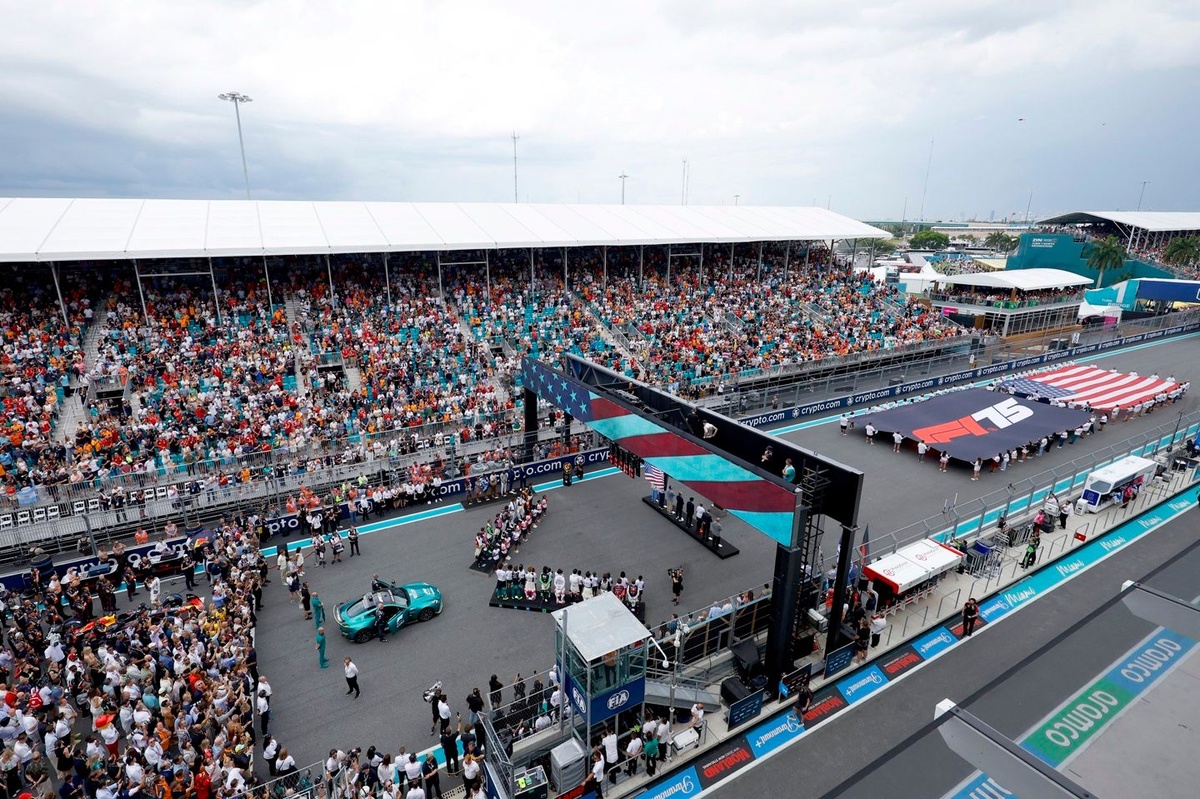
Apple TV and IMAX have launched ticket sales for the 2026 Miami Grand Prix, scheduled for May 3. Following Apple’s acquisition of exclusive U.S. Broadcasting rights, select F1 races will now be streamed in IMAX theaters nationwide, offering fans a cinematic, high-fidelity alternative to traditional home viewing.
We are currently navigating the early-season volatility of the 2026 calendar, where the technical regulations shift is creating a massive performance delta between the grid’s “haves” and “have-nots.” While the glamour of the Miami paddock captures the headlines, the real story is the aggressive monetization of the “fan experience” via Apple’s vertical integration. By moving the race from the living room to the IMAX screen, Apple is solving a critical engagement problem: the inherent disconnect between the visceral speed of a Formula 1 car and the compressed dynamic range of standard home television.
This isn’t just a ticketing event; it is a strategic pivot in sports media rights. The move mirrors the “premiumization” of sports consumption, where the goal is to maximize Average Revenue Per User (ARPU) through tiered access. However, the logistical strain on Miami remains a persistent friction point. The influx of high-net-worth spectators creates a localized economic surge that often outstrips the city’s infrastructure, leaving a vacuum for premium hospitality vendors and event security firms to manage the chaos of the Hard Rock Stadium precinct.
The Economics of the Apple-IMAX Ecosystem
To understand the scale of this play, one must look at the raw data. Per the latest official F1 commercial reports, the North American market has become the primary engine for the sport’s valuation growth. Apple isn’t just buying eyeballs; they are buying data. By funneling fans into IMAX theaters, they create a controlled environment for targeted advertising and ecosystem lock-in.

From a front-office perspective, this is about diversifying the revenue stream. The cost of attending a Grand Prix in person has skyrocketed, with Paddock Club access often requiring five-figure investments. The IMAX offering provides a “middle-market” luxury experience. It captures the demographic that cannot afford a $50,000 weekend in Miami but is willing to pay a premium for a curated, high-tech viewing experience.
| Revenue Stream | Traditional Broadcast | Apple/IMAX Hybrid | Projected Impact |
|---|---|---|---|
| Fan Access | Passive/Home | Active/Event-Based | Higher Per-Head Spend |
| Ad Integration | Commercial Breaks | Integrated Cinematic | Increased Brand Recall |
| Data Capture | Aggregate Metrics | Direct Ticketed Data | Precision Marketing |
| Local Spend | Low (Remote) | Moderate (Local Cinema) | Regional Economic Boost |
Technical Regulations and the 2026 Performance Gap
The 2026 Miami GP arrives at a critical juncture in the sport’s technical evolution. The modern power unit regulations, which emphasize increased electrical output and the removal of the MGU-H, are forcing teams to completely rethink their aero-mapping and energy recovery systems. We are seeing a shift toward “active aero” and a drastic reduction in chassis weight, which changes the physical toll on the drivers.
The G-forces experienced during high-speed cornering in Miami’s layout, combined with the humidity of the Florida coast, put immense strain on the athletes’ cervical spine and core stability. While F1 drivers have the world’s best physios on the telemetry-backed payroll, the sheer physicality of the 2026 cars is a reminder that elite performance requires elite recovery. For the aspiring racer or the high-performance athlete in the U.S., these professional-grade strains mirror the injuries seen in collegiate athletics, necessitating access to specialized sports rehabilitation and orthopedic clinics to prevent long-term degenerative wear.
“The 2026 regulations aren’t just about the engine; they are about the human-machine interface. We are looking at a significant shift in how drivers manage energy deployment under braking, which increases the cognitive load and physical fatigue during a race distance.” — Marcus Thorne, Lead Performance Engineer (Consultant)
The Miami Halo Effect: Local Infrastructure and Legalities
The “Miami Grand Prix” is as much a real estate play as it is a sporting event. The temporary nature of the circuit creates a recurring logistical nightmare for the city, but a goldmine for B2B contractors. The legal complexities of land use and temporary zoning in Florida are immense, often requiring specialized sports and entertainment contract lawyers to navigate the indemnity clauses and municipal agreements that keep the race on the calendar.
Looking at the FIA’s technical directives, the 2026 cars are designed for closer racing, which means more on-track incidents. This increases the demand for rapid-response medical infrastructure within the city. The “Halo Effect” of the race extends beyond the track, driving up the valuation of local luxury rentals and hospitality suites, while simultaneously stressing the local grid.
The strategic integration of Apple TV and IMAX is the final piece of the puzzle. By decoupling the viewing experience from the physical location, F1 is effectively expanding the “grandstand” to every major city in America. This reduces the physical pressure on Miami’s roads while maintaining the prestige and exclusivity of the event. It is a masterclass in scaling a niche luxury product into a mass-market cinematic event.
The Long-Game Trajectory
As we move toward May 3, the focus will shift from the boardroom to the tarmac. The teams that have mastered the simulation of the new 2026 power units will hold a massive advantage in Miami. We are entering an era of “algorithmic racing,” where the winner is decided as much by the data scientists in the garage as by the driver’s bravery on the brakes. The synergy between Apple’s tech and F1’s engineering is a preview of the future of all professional sports: a seamless blend of live action and high-tech amplification.
Whether you are a casual fan booking an IMAX ticket or a professional seeking to optimize your own athletic performance, the intersection of sports, tech, and business is where the real wins happen. To navigate this complex landscape—from securing the right legal representation for a sports venture to finding the top-tier medical specialists for athletic recovery—the World Today News Directory remains the definitive resource for vetted professionals across the global sports ecosystem.
Disclaimer: The insights provided in this article are for informational and entertainment purposes only and do not constitute medical advice or sports betting recommendations.