
Why Are We all Suddenly Obsessed With 2016? The Rise of ‘2016 Vibes’
Published: 2026/01/22 17:00:27
The Unexpected Return to a Bygone Era
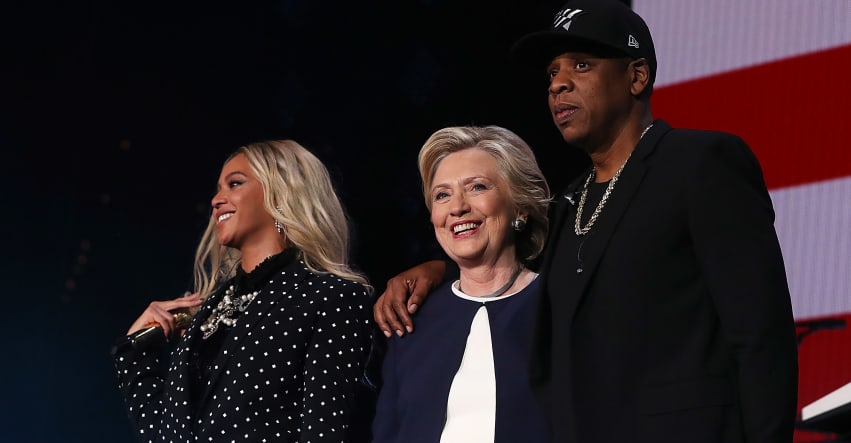
Scrolling through social media lately, you might have noticed a peculiar trend: a wave of nostalgia for 2016. From fashion choices to music and internet aesthetics, gen Z and millennials alike are revisiting a period that, just a few years ago, felt firmly in the past.But this isn’t simply a sentimental journey; it’s a complex phenomenon rooted in economic shifts, cultural disillusionment, and the ever-evolving landscape of the internet. According to recent reports , this resurgence of “2016 vibes” is more than just a fleeting trend – it’s a significant cultural moment.
A Reaction to the Present: The Allure of a Simpler Time
While 2016 wasn’t without its challenges – a contentious US election, global political unrest, and the loss of cultural icons – it’s increasingly viewed through a rose-tinted lens. For many, it represents a perceived “last good year” before the complexities and anxieties of the late 2010s and 2020s fully took hold. This sentiment is notably strong among younger generations who came of age during a period of increasing economic instability and social fragmentation. Fortune Magazine reports that Gen Z’s fascination with 2016 is tied to a longing for a time of relatively cheaper living and a less performative online culture.
Specifically, the economic conditions of 2016 stand out. Ride-sharing services like Uber were still affordable, housing costs hadn’t yet skyrocketed in many urban areas, and the gig economy offered a sense of possibility. This contrasts sharply with the current economic realities faced by many young people, marked by inflation, student debt, and a competitive job market.The nostalgia for 2016, therefore, isn’t just about aesthetics; it’s about a yearning for a time when financial stability felt more attainable.
The Commodification of Nostalgia and the Search for Authenticity
However, the revival of 2016 isn’t entirely organic. Experts suggest that it’s being heavily influenced by commercial forces. As cultural critic Thelot points out,the attempt to define and categorize this nostalgia – to give it a name like “2016 vibes” – is akin to trying to label a complex past period like the Renaissance. This commodification, he argues, serves to sell a romanticized version of the past rather than acknowledging its complexities.
This trend also highlights a broader shift in online culture. The early 2010s, and particularly 2016, represented a period before the dominance of influencer culture and the relentless pursuit of online validation. Posting online felt more genuine, less curated. as Cao, a digital culture observer, notes, the 2020s are characterized by self-awareness, nihilism, and a constant pressure to perform authenticity. The desire to revisit 2016 is, in part, a reaction to this performative environment.
Tech’s Role in Shaping Our Cultural Memory
Technology is undeniably at the heart of this cultural phenomenon. The way we consume and share facts has fundamentally changed in recent years, with algorithms and search optimization dictating what we see and how we interact with the world.This has led to a desire to categorize and name everything, making it easier to reference and share online. The rise of AI-generated content and “rage bait” further contributes to a sense of cultural fatigue, making the simplicity of 2016 even more appealing.
Beyond the Filters: A Search for Optimism
While it’s easy to get caught up in the nostalgia, it’s significant to question whether revisiting the past is the most productive use of our time. The current wave of “2016 vibes” offers a temporary escape, a comforting reminder of a seemingly simpler era. Though, as one observer notes, perhaps the real challenge lies in finding that same sense of optimism and hope in the present, and working towards a better future.
Key Takeaways:
- The “2016 vibes” trend is driven by a combination of economic factors, cultural disillusionment, and a longing for a less performative online environment.
- The commodification of nostalgia plays a significant role, turning a complex period into a marketable aesthetic.
- Technology is central to shaping our cultural memory and influencing our perception of the past.
- While nostalgia can be comforting, it’s important to focus on creating a positive future.
The resurgence of 2016 nostalgia is a fascinating reflection of our current cultural moment. It’s a reminder that the past is never truly gone, and that our collective memories are constantly being reshaped by our present circumstances. As we move forward, it will be crucial to understand the forces driving this trend and to harness the power of nostalgia in a way that is both meaningful and constructive. For investors, this wave suggests a potential for platforms that blend analog simplicity with digital efficiency, avoiding the pitfalls of overly saturated AI content.
