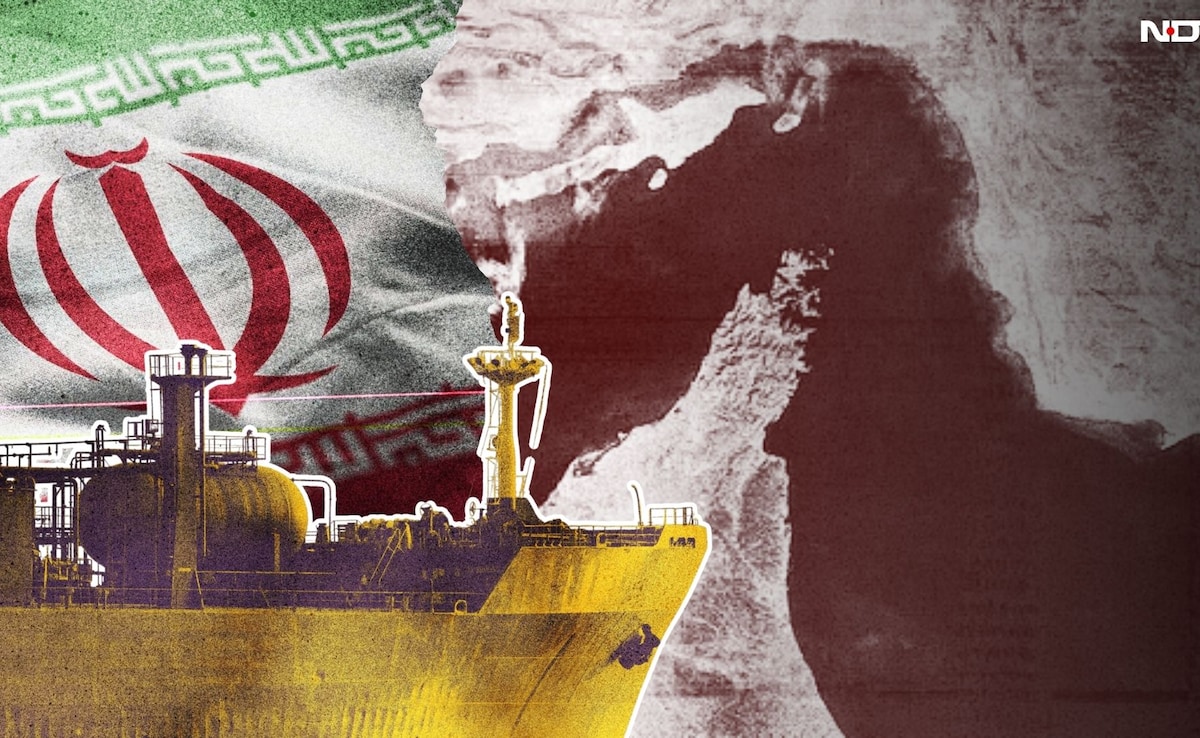
2 Iranian Ships Bypass US Blockade and Cross Strait of Hormuz
Two Iranian vessels have successfully bypassed the United States military blockade of Iranian ports and the Strait of Hormuz. This breach follows the collapse of peace negotiations in Islamabad over Iran’s nuclear ambitions, escalating tensions in a critical global shipping chokepoint and threatening international trade and regional stability.
The escape of these ships is more than a tactical failure. it is a symbolic blow to the efficacy of the U.S. Naval perimeter. For a blockade intended to stifle “economic terrorism,” as Vice President JD Vance described the situation, the slip-through suggests a vulnerability in the containment strategy that Iran may seek to exploit further.
The stakes are astronomical.
This is not merely a regional skirmish. The Strait of Hormuz is a vital artery for the global economy, serving as the primary chokepoint for shipments of oil, fertilizer, and other essential goods. When the U.S. Initiated the military blockade of Iranian ports and a partial blockade of the Strait on Monday at 10 a.m. EDT, the world held its breath. The breach by two ships proves that the perimeter is porous, adding a layer of unpredictability to an already volatile theater.
The Anatomy of a Failed Diplomacy
The current escalation is the direct result of a diplomatic collapse. Over the weekend, talks in Islamabad, mediated by Pakistan, failed to produce a peace agreement between the United States and Iran. Vice President JD Vance, leading the U.S. Delegation, identified the primary sticking point: Iran’s refusal to abandon its nuclear ambitions.
In response to this deadlock, the U.S. Pivoted to military pressure. However, Tehran has not remained passive. Iran has labeled the blockade as “piracy” and “illegal,” issuing a stark warning that no Gulf ports will remain safe if traffic to and from Iranian ports continues to be impeded. This threat of retaliation transforms a bilateral dispute into a regional security crisis, forcing every shipping entity in the Persian Gulf to reconsider their risk profile.
Navigating these waters now requires more than just a captain; it requires international maritime attorneys capable of interpreting the legality of seizures and the complexities of war-risk insurance.
Geopolitical Positioning: The Global Chessboard
The conflict has drawn in major global powers, each attempting to leverage the crisis to their advantage. While the U.S. Maintains the blockade, other nations are positioning themselves as the necessary brokers for peace.
| Entity | Current Stance | Primary Objective |
|---|---|---|
| United States | Military Blockade | Force Iran to abandon nuclear ambitions. |
| Iran | Retaliatory Threats | Break the “illegal” blockade and maintain sovereignty. |
| China | Constructive Mediator | Promote peace talks and respect Gulf sovereignty. |
| United Kingdom | Economic Mitigation | Shield the British economy from lasting conflict fallout. |
China’s President Xi Jinping has vowed that his country will play a “constructive role” in promoting peace talks. State media reported that Xi stressed a “principled stance” of urging talks and emphasized that the sovereignty and territorial integrity of Gulf countries must be sincerely respected. This positioning is echoed by Spanish Prime Minister Pedro Sanchez, who noted that China could play an “important” role in resolving the war.
“The sovereignty, security and territorial integrity of the Gulf countries in the Middle East should be sincerely respected.” — President Xi Jinping
The Economic Ripple Effect
The fallout is already reaching European shores. In the United Kingdom, Prime Minister Keir Starmer has taken the rare step of forming a modern cabinet committee—the Middle East Response Committee. This move is a clear admission that the British government expects the conflict to have a lasting and damaging impact on the national economy.

The formation of such a committee is a signal of longevity. Much like the committees formed for the coronavirus pandemic or no-deal Brexit planning, this suggests the government views the Middle East crisis as a long-term systemic threat rather than a short-term diplomatic hurdle.
For businesses reliant on Gulf imports, the unpredictability of the Strait of Hormuz is creating a logistical nightmare. Companies are now scrambling to secure global supply chain consultants to reroute shipments and mitigate the risk of total cargo loss.
The clock is ticking. Pakistan is currently pushing for the U.S. And Iran to resume negotiations before the current ceasefire expires next week. If those talks fail, the “partial” blockade could become total, and the threat to other Gulf ports could materialize.
Managing the Void
The breach of the blockade by two Iranian ships exposes the gap between military intent and operational reality. While U.S. Officials claim they remain open to talks, the military pressure is designed to bring Iran to the table on American terms. However, the Iranian warning regarding the safety of other Gulf ports suggests that the cost of this blockade may be borne by third-party commercial interests.
As the ceasefire deadline looms, the volatility of the region will only increase. Businesses and governments alike are now forced to operate in a state of permanent contingency. Those who fail to prepare for the closure of the Strait or the escalation of “piracy” in the Gulf will discover themselves stranded.
In an era of “economic terrorism” and shifting alliances, the only defense is verified expertise. Whether it is securing assets through geopolitical risk analysts or navigating the legal minefield of international sanctions, the require for vetted, professional guidance has never been more urgent. The World Today News Directory remains the definitive resource for finding the specialists equipped to handle the fallout of this developing global crisis.