
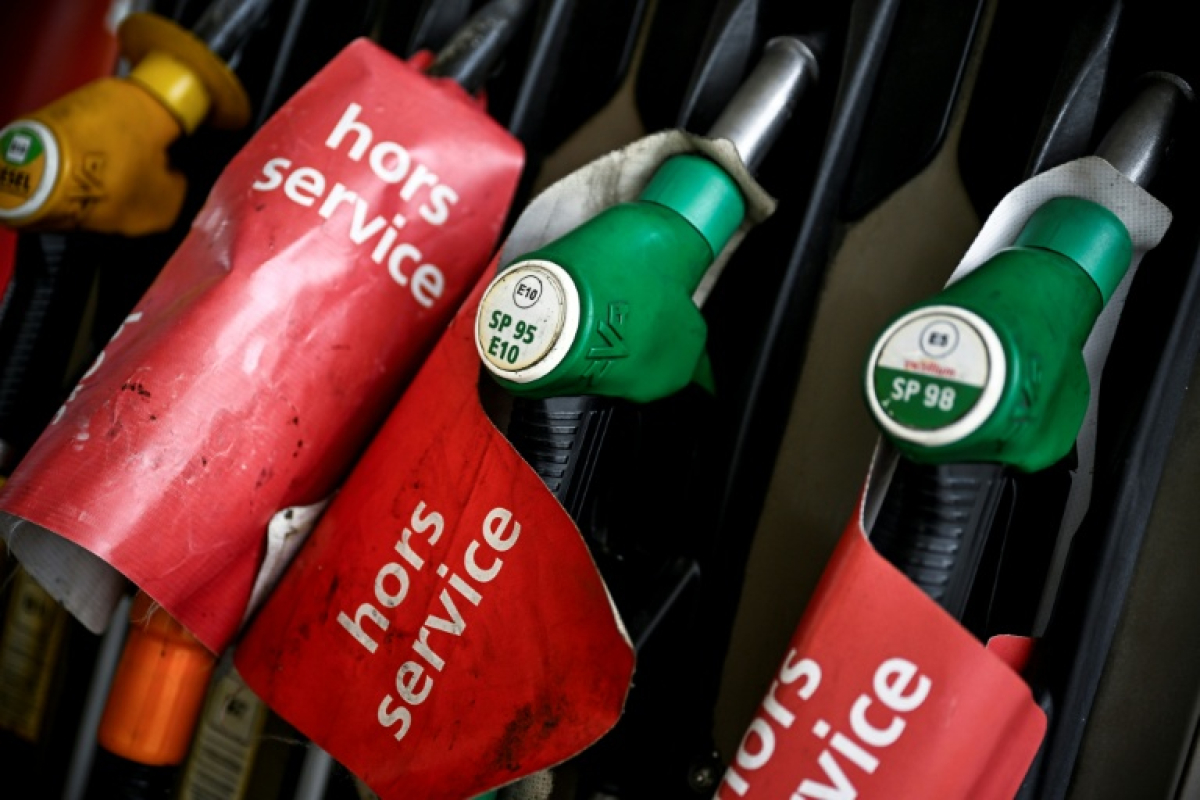
18% of French Gas Stations Affected: Government Announcement
French Energy Minister Maud Bregeon reports that 18% of gas stations currently lack at least one fuel type. The disruption stems from logistics bottlenecks, primarily within the TotalEnergies network, amidst geopolitical tensions in the Middle East and the strategic blockage of the Strait of Hormuz.
This is not a shortage of oil, but a failure of delivery. While the crude is arriving in France and refineries are operating normally, the “last mile” of the supply chain has fractured. For the average driver, the result is the same: empty pumps and rising anxiety. The situation is particularly acute because it follows a period of relative stability, catching many commuters and professional drivers off guard just as the post-Easter travel rush concludes.
The crisis is a stark reminder of how fragile the energy umbilical cord remains. When the movement of fuel from depots to stations stalls, the entire regional economy feels the shudder.
The Logistics Bottleneck: A Rapid Escalation
The current instability is a sharp departure from the situation just a week ago. Data indicates a significant spike in station difficulties over a very short window, suggesting that the logistical “clog” happened almost overnight.
| Timeline | Station Impact Rate | Primary Driver |
|---|---|---|
| Late March / Early April | Less than 10% | Initial geopolitical tension |
| April 7, 2026 | Approximately 18% | Transport network congestion |
Maud Bregeon has been clear: the material exists. The depots are full. The refineries are humming. The problem is the transport. Specifically, there is an “engorgement” on the transport networks. This means the trucks aren’t moving the fuel fast enough—or at all—to meet demand.
For businesses relying on just-in-time delivery, this is a nightmare. Many firms are now realizing that their current fuel contracts offer little protection against logistical failure. To mitigate these risks, companies are increasingly turning to supply chain consultants to diversify their fuel sources and build more resilient delivery buffers.
The TotalEnergies Price Cap Paradox
The distribution of this crisis is not equal. A staggering 83% of the stations experiencing shortages belong to the TotalEnergies network. This concentration is not accidental.
The government has pointed to a specific cause: TotalEnergies capped its prices. While this may seem like a consumer win in the short term, the economic reality is that price ceilings can disincentivize the costly and complex logistics required to retain pumps full during a global crisis. When the cost of delivery exceeds the capped selling price, the system begins to buckle.
“There is no risk of shortage; it is the difference between a shortage of material and logistical difficulties.” — Maud Bregeon, Minister Delegate for Energy.
This disruption is happening against the backdrop of a high-stakes conflict involving the United States, Israel, and Iran. The blockage of the Strait of Hormuz—a critical choke point for global oil and gas—has sent shockwaves through the International Energy Agency‘s monitored markets. While France has enough oil, the global volatility makes the domestic logistics network even more sensitive to any internal failure.
As TotalEnergies struggles to balance its price caps with the reality of transport costs, smaller distributors are finding themselves in a complex legal position regarding pricing and supply obligations. Navigating these contractual disputes often requires the expertise of commercial legal specialists to ensure that supply agreements are upheld without incurring unsustainable losses.
Targeted Relief vs. Universal Aid
The French government is facing immense pressure to intervene. Though, the administration under Prime Minister Sébastien Lecornu is resisting calls for “universal aid” or a blanket freeze on pump prices, similar to measures seen in Italy.

Maud Bregeon has explicitly ruled out universal subsidies, stating that the state will not spend money it does not have. Instead, the strategy is surgical. The government is focusing on the sectors most vulnerable to fuel volatility:
- Professional Truckers: The backbone of the logistics network.
- Taxis: Urban mobility providers who cannot easily switch energy sources.
- Nursing Assistants: Essential healthcare workers who rely on personal vehicles for home visits.
At the end of March, the government deployed an initial package of targeted measures costing approximately 70 million euros, funded through the cancellation of various ministerial credits. Bregeon has confirmed that a new set of targeted aids will be announced in the coming days to further support these specific sectors.
For the individuals and minor business owners eligible for these grants, the application process can be a bureaucratic maze. Many are seeking certified financial advisors to ensure they maximize the available state support while maintaining their cash flow during this period of inflation.
The government’s insistence on “reasonable” margins for distributors suggests a delicate dance. They are asking distributors to absorb some of the shocks without forcing them into bankruptcy, all while avoiding a populist “price freeze” that could lead to even more empty pumps.
The current fuel crisis is a symptom of a larger, more systemic vulnerability. We are learning that having the resource is meaningless if the mechanism to deliver it is brittle. As the conflict in the Middle East continues to threaten the global energy trade, the “logistics” excuse will only hold water for so long. Eventually, the gap between the refinery and the pump must be closed, or the economy will simply stop moving.
Whether you are a transport mogul or a daily commuter, the lesson of April 2026 is clear: resilience is more valuable than a capped price. To find the verified professionals and legal experts capable of navigating these volatile energy markets, continue exploring the World Today News Directory.