
12 US Soldiers Injured in Iranian Attack on Saudi Base Amid Middle East Escalation
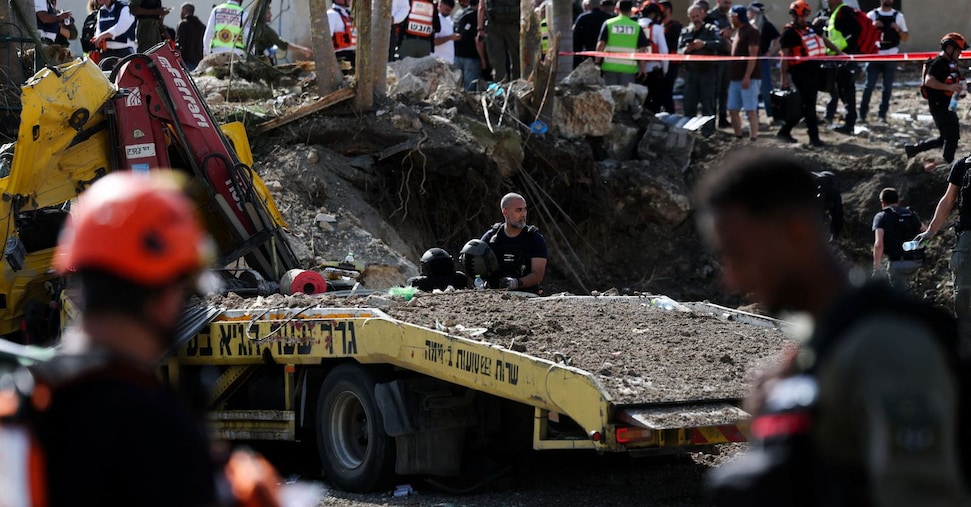
Escalating tensions in the Middle East reached a new point on March 28, 2026, as Iran launched retaliatory attacks following a joint operation with Israel on February 28th. These attacks included a missile strike near Jerusalem injuring eleven, a direct assault on a Saudi Arabian airbase wounding twelve U.S. Military personnel (two critically), and debris from intercepted missiles causing injuries in Abu Dhabi. This cycle of escalation poses a significant threat to regional stability and global energy markets.
The Shadow War Widens: Beyond Retaliation
The attacks aren’t simply reactive. They represent a calculated escalation by Iran, signaling its willingness to directly confront perceived threats and project power beyond its borders. The targeting of Prince Sultan Air Base in Saudi Arabia is particularly concerning. This base is a critical hub for U.S. And allied operations in the region, and a successful attack demonstrates Iran’s increasing capabilities and resolve. The fact that multiple refueling aircraft sustained damage suggests a sophisticated assault, potentially involving coordinated drone and missile strikes.
This isn’t a spontaneous outburst. It’s the culmination of months of simmering tensions, exacerbated by the covert war between Israel and Iran, often fought through proxies in Lebanon, Syria, and Yemen. The February 28th operation, details of which remain largely undisclosed, appears to have been a tipping point. Iran’s response isn’t limited to military targets; the incident in Abu Dhabi, while resulting in civilian injuries, serves as a clear warning to other Gulf states potentially hosting Western military assets.
Economic Fallout: Oil Prices and Supply Chain Disruptions
The immediate economic impact is already being felt. Brent crude oil prices surged past $95 a barrel following news of the attacks, reflecting fears of supply disruptions in the crucial Persian Gulf region. Reuters reports that oil volatility has reached levels not seen since the peak of the Ukraine war. Beyond oil, the broader supply chain is vulnerable. The Bab-el-Mandeb Strait, a critical chokepoint for global trade, lies within striking distance of Iranian-backed forces in Yemen. Any disruption to shipping through this strait would have cascading effects on global commerce.
The situation demands a reassessment of risk profiles for companies operating in the Middle East. Businesses with significant investments in the region are now facing increased political risk, requiring robust contingency planning and potentially, the relocation of assets. This is where specialized expertise becomes invaluable. Companies are turning to political risk consultants to model potential scenarios and develop mitigation strategies.
Ukraine’s Parallel Track: A Shifting Security Landscape
Interestingly, amidst this escalating crisis, Ukrainian President Zelenskyy secured a defense cooperation agreement with Qatar. This move, reported by Al Jazeera, signals a broadening of Ukraine’s search for security partners beyond traditional Western allies. The agreement, encompassing joint projects in defense industry, co-production sites, and corporate partnerships, highlights a strategic effort to diversify Ukraine’s military supply chain and bolster its defense capabilities.
This isn’t happening in a vacuum. The war in Ukraine has demonstrated the fragility of global security architectures and the willingness of states to circumvent traditional alliances to pursue their interests. The Qatar-Ukraine agreement could foreshadow similar partnerships emerging in other regions, as countries seek to hedge against geopolitical uncertainty.
The U.S. Response: A Delicate Balancing Act
The U.S. Finds itself in a precarious position. A direct military response to the attacks on Saudi Arabia risks escalating the conflict into a full-blown regional war. However, inaction could be perceived as weakness, emboldening Iran and further destabilizing the region. The Biden administration is likely to pursue a multi-pronged approach, combining diplomatic pressure with increased military deployments and support for regional allies.
“The U.S. Is walking a tightrope. A strong response is necessary to deter further aggression, but it must be calibrated to avoid triggering a wider conflict. The key is to demonstrate resolve without escalating to a point of no return,” says Dr. Karim Sadjadpour, Senior Fellow at the Carnegie Endowment for International Peace.
The injuries to U.S. Personnel add another layer of complexity. Domestic political pressure will mount for a forceful response, potentially limiting the administration’s room for maneuver. The situation also underscores the vulnerability of U.S. Forces stationed in the region, necessitating a review of base security protocols and force protection measures.
Iran’s Calculus: Domestic Pressure and Regional Ambitions
Understanding Iran’s motivations is crucial. The attacks are likely driven by a combination of factors, including domestic political pressure, regional ambitions, and a desire to deter further Israeli and U.S. Actions. Iran’s economy is struggling under the weight of international sanctions, and the government may be seeking to rally public support through a display of strength.
Iran views itself as a regional power broker and is determined to maintain its influence in countries like Lebanon, Syria, and Iraq. The attacks can be seen as a signal to these countries that Iran is willing to defend its interests and protect its allies. According to estimates from the U.S. State Department, approximately 1,167 Iranian soldiers have been killed since the beginning of the conflict, with another 658 unaccounted for – figures corroborated by U.S.-based activist groups.
The Legal Maze: Navigating International Law and Sanctions
The legal implications of these attacks are significant. Iran’s actions could be construed as violations of international law, potentially triggering sanctions or even military intervention. However, the legal landscape is complex, and the question of self-defense is likely to be central to any legal justification for a response.
Companies operating in the region must navigate a complex web of sanctions and export controls. Ensuring compliance with these regulations is critical to avoid legal penalties and reputational damage. This is where specialized legal counsel is essential. Multinational corporations are increasingly relying on international trade lawyers to navigate the intricacies of sanctions regimes and ensure compliance with evolving regulations.
Long-Term Implications: A New Era of Instability?
The events of March 28, 2026, mark a dangerous escalation in the Middle East. The cycle of retaliation threatens to spiral out of control, potentially drawing in other regional actors and destabilizing the entire region. The attacks also highlight the limitations of current diplomatic efforts and the need for a new approach to managing the conflict.
“We are entering a new era of instability in the Middle East. The aged rules no longer apply, and the risk of miscalculation is higher than ever. A proactive and comprehensive diplomatic strategy is urgently needed to de-escalate tensions and prevent a wider conflict,” argues Professor Fawaz Gerges, Chair of Middle Eastern Politics at the London School of Economics.
The long-term consequences of this crisis will be far-reaching, impacting global energy markets, supply chains, and geopolitical alliances. The need for robust risk management, legal expertise, and strategic foresight has never been greater. As the geopolitical landscape shifts, organizations must proactively seek the specialized partners needed to navigate these turbulent times. The World Today News Directory provides access to a vetted network of global experts – from cybersecurity specialists to political risk analysts – ready to help you mitigate risk and capitalize on opportunity in an increasingly uncertain world.