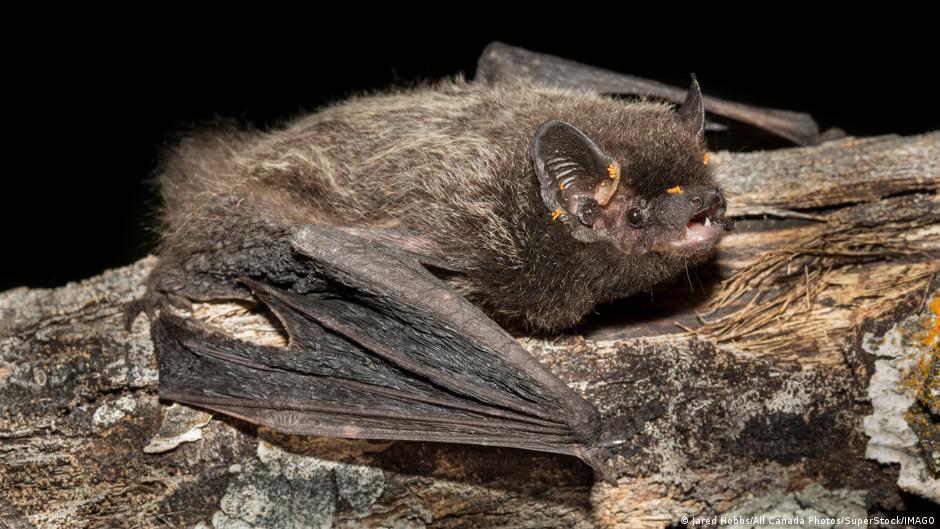
11-Year-Old Canadian Boy Dies of Rabies After Bat Encounter
An 11-year-old boy in Canada died from rabies after waking to find a bat in his mouth, an incident that underscores the extreme lethality of the Lyssavirus and the critical necessity of immediate post-exposure prophylaxis (PEP). Public health authorities confirmed the child succumbed to the infection despite medical intervention, marking a rare but fatal encounter with the zoonotic pathogen.
- Rabies is nearly 100% fatal once clinical symptoms manifest, making immediate post-exposure prophylaxis (PEP) the only effective intervention.
- Any direct physical contact with a bat, or waking to find one in the room, constitutes a high-risk exposure requiring urgent medical evaluation.
- The incubation period for the rabies virus varies significantly based on the proximity of the bite site to the central nervous system, often ranging from weeks to months.
Pathogenesis and Clinical Reality of the Virus
Rabies is a rhabdovirus that travels via the peripheral nerves to the central nervous system. Once the virus reaches the brain, it induces progressive encephalomyelitis. According to the World Health Organization (WHO), the virus is primarily transmitted through the saliva of infected mammals. In the case of the Canadian youth, the physical presence of the bat in the room triggered a high-risk assessment, as bats possess small, sharp teeth that can inflict wounds that are often imperceptible to the patient.
Clinical management of such cases relies on the administration of human rabies immunoglobulin (HRIG) and a series of rabies vaccines. This protocol neutralizes the virus before it enters the nervous system. When individuals are unsure if they have been bitten, public health protocols mandate that they seek care from a specialized infectious disease clinic immediately to determine if the viral exposure threshold necessitates a full immunization series.
Epidemiological Context and Risk Assessment
While rabies cases in North America are statistically infrequent, the mortality rate remains essentially absolute. Data from the Centers for Disease Control and Prevention (CDC) indicate that while dogs were historically the primary vector, wildlife—specifically bats and raccoons—now account for the majority of human cases in the region. The difficulty in identifying a bite from a bat is a known clinical hurdle; the animal’s contact may occur while the patient is asleep, leaving no obvious laceration.

This reality necessitates a high index of suspicion. For those residing in areas with known bat populations, maintaining home-sealing protocols and keeping pets up-to-date on vaccinations are primary prevention strategies. If an exposure is suspected, patients should consult with a board-certified infectious disease specialist to assess the need for urgent prophylactic treatment. Delays in seeking care after a potential exposure are the primary driver of preventable mortality in North American rabies cases.
Standard of Care and Regulatory Hurdles
The standard of care for rabies exposure is strictly defined by international health bodies. Following the administration of HRIG, the patient must undergo a series of vaccinations on specific days—typically days 0, 3, 7, and 14. For immunocompromised individuals, the regimen is adjusted to ensure an adequate immune response.
Healthcare facilities are required to maintain a robust supply chain for these biologics. Challenges in procurement or cold-chain storage can lead to critical gaps in patient care. Medical supply chain auditors and healthcare compliance teams play a vital role in ensuring that regional clinics have immediate access to these life-saving immunizations, particularly in rural or isolated areas where bat encounters are more common.
Future Trajectory in Viral Surveillance
Research into the pathogenesis of Lyssavirus continues, with significant funding directed toward improving rapid diagnostic tools that can detect viral antigens in the field. Current efforts by academic research institutions, often supported by NIH-adjacent grants, focus on better characterizing the host-pathogen interaction in bats to predict spillover events. As diagnostic capabilities evolve, the focus remains on the rapid identification of high-risk encounters. Patients who believe they have had contact with a bat should never wait for symptoms to appear; by the time the hallmark signs of hydrophobia or agitation emerge, clinical options are severely limited.
Disclaimer: The information provided in this article is for educational and scientific communication purposes only and does not constitute medical advice. Always consult with a qualified healthcare provider regarding any medical condition, diagnosis, or treatment plan.