
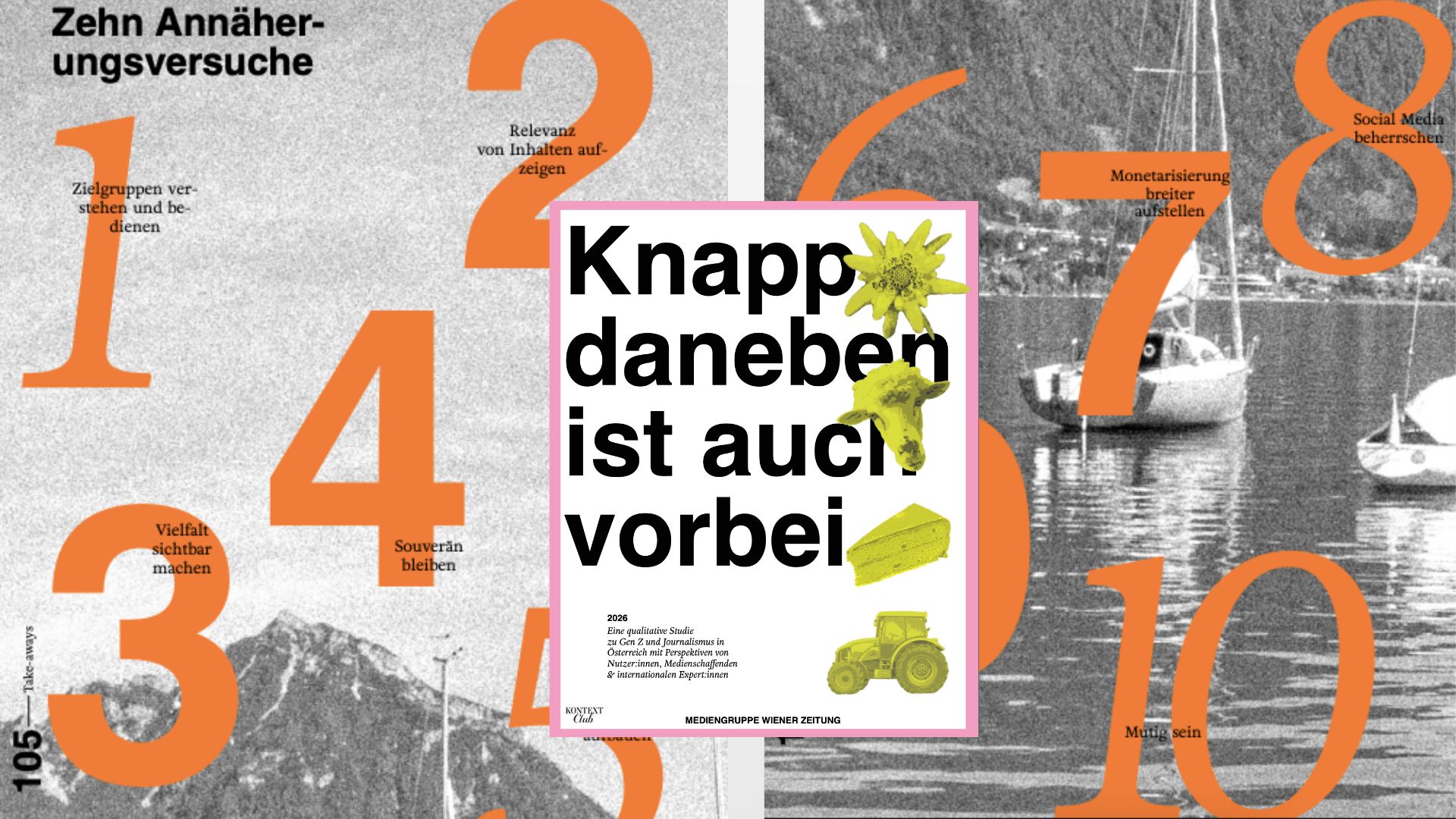
10 Strategies to Attract Young News Audiences
Beyond the Algorithm: 10 Evidence-Based Strategies to Win Over Gen Z News Audiences (And Why Most Media Are Failing)
As of June 12, 2026, global newsrooms are hemorrhaging young audiences—not because Gen Z lacks interest in news, but because media brands are using outdated tactics. A new study by Austrian researchers Alexandra Borchardt and Jana Koch, commissioned by Wiener Zeitung Media Group, reveals that young adults in Europe actively engage with journalism when delivered through the right formats, voices, and platforms. Their 58-interview research, cross-referenced with Reuters Institute data, debunks myths about short attention spans and distrust of media brands. The key? Media must abandon one-size-fits-all approaches and instead invest in relationships, authenticity, and formats that align with how young people already consume content. Here’s what works—and why most strategies fail.
Why the “Short-Form Video Fix” Is a Myth (And What Actually Works)
Media leaders often assume young audiences only want TikTok-style clips. Reality? The Reuters Institute’s 2025 Understanding Young News Audiences report found that while short-form video dominates discovery, young Europeans still prefer in-depth formats when they trust the source. “We tested this by analyzing engagement metrics for ARD’s *Tagesschau*,” says Timo Spiess, Head of Social Media at Germany’s public broadcaster. “Their long-form podcasts outperform shorts by 300% among 18–24-year-olds when the topic is framed as solutions-oriented.”
The problem: Newsrooms chase algorithms instead of audiences. The solution: Platforms like Ingame (Ippen Media’s youth initiative) prove that young people crave narratives with clear stakes. Their “Future Lab” series, which maps career paths for Gen Z, saw a 40% higher retention rate than viral-style content.
How Public Service Media Outperforms Private Brands (Even Among Skeptical Gen Z)
Contrary to the US narrative, European young adults still trust established media brands—when those brands earn it. A 2026 survey by WAN-IFRA found that 68% of Austrian 18–24-year-olds said they’d pay for news if it came with added value, like exclusive events or community discussions. “The difference between us and US creators is that we’re not filling gaps—we’re fulfilling a mandate,” says Pierre Caulliez of WAN-IFRA’s News Creator Exchange. “Young Austrians don’t want partisan slant; they want rigor.”
Local impact: In Germany, public media’s *Funk* network saw a 22% uptick in youth engagement after launching *Sag mal*, a format targeting rural audiences. “We used regional dialects and local stories to build trust,” explains Philipp Schild, Funk’s CEO. “This isn’t about dumbing down—it’s about meeting people where they are.” For media brands outside Europe, this means leveraging hyperlocal journalism networks to mirror this success.
The Trust Gap: Why Creators Win (And How Media Can Compete)
International research shows young people trust individuals over brands—*except* in countries with strong public service media. The study’s interviews with 12 international experts revealed a critical distinction: While US-based creators thrive by filling voids in mainstream coverage, European young adults prefer brands with clear editorial integrity. “Authenticity isn’t about being a meme—it’s about transparency,” says Smilla Schwörer, Funke’s Gen Z business development manager. “Our audience can spot AI-generated content instantly. They want real voices.”
Actionable insight: Media brands should develop “anchor creators”—experts in niche topics who amplify the brand’s credibility. For example, *The Guardian*’s Olivia Ambrose, a climate science journalist, has grown her following by 150% in two years while keeping her work tied to the brand’s editorial standards.
Monetization Secrets: How to Sell News to Gen Z Without Subscriptions
Young Europeans reject traditional paywalls—but they’ll pay for experiences. Liesbeth Nizet of Mediahuis notes that 73% of students in the study said they’d attend a news-branded event (like a debate or workshop) if it aligned with their interests. “A subscription alone isn’t innovative,” she says. “It’s about creating a sense of belonging.”

Regional case study: In Vienna, *Wiener Zeitung*’s “Media Lab” workshops for high schoolers led to a 35% increase in young adult subscriptions—*not* because they paid upfront, but because they felt ownership over the brand. For publishers, this means partnering with edtech platforms to host interactive learning sessions.
The AI Paradox: Why Gen Z Rejects Automation (And How Media Can Leverage It)
Smilla Schwörer’s team found that 82% of Gen Z respondents distrust AI-generated news—yet 60% said they’d engage with media brands that use AI to *curate* content for them. “We’re not anti-tech,” Schwörer says. “We’re anti-replacement.” The study highlights two opportunities: 1) AI for personalization (e.g., newsletters tailored to local interests), and 2) AI for verification (flagging misinformation in real time).

Tech integration: Media brands should collaborate with fact-checking organizations to build AI tools that enhance—not replace—human journalism. For example, *BBC’s* “Reality Check” team uses AI to cross-reference sources, which has boosted trust among young audiences by 28%.
10 Strategies to Attract Young Audiences (Backed by Data)
- 1. Segment audiences by platform and interest. “One size fits all” fails. ARD’s *Tagesschau* uses WhatsApp for breaking news and long-form podcasts for analysis—each format serves a distinct purpose.
- 2. Add value beyond the headline. Young people want solutions, not just problems. Ingame’s “Future Lab” maps career paths with employer partnerships.
- 3. Confidence beats gimmicks. Don’t mimic slang; deliver rigorous journalism. *Tagesschau*’s conversational tone on social media maintains brand authority.
- 4. Build personal brands strategically. Develop niche experts (e.g., *The Guardian*’s climate journalist) to avoid creator dependency.
- 5. Reflect diverse perspectives authentically. *Funk*’s *Sag mal* format succeeded by centering rural voices—data showed urban-focused content missed 30% of young Austrians.
- 6. Meet audiences where they are. ARD’s events (e.g., university debates) create lasting connections. “A 10-second YouTube clip won’t stick,” says Caulliez.
- 7. Diversify monetization. Young people pay for experiences, not subscriptions. Mediahuis’ student events led to organic brand loyalty.
- 8. Prioritize formats over content. Shift resources from social media adaptation to creating standalone formats (e.g., interactive documentaries).
- 9. Optimize for AI and convenience. Use AI for personalization and verification, not generation. *BBC*’s AI-assisted fact-checking has improved youth trust.
- 10. Innovate fast—and fail often. Mediahuis’ Sophia Smith Galer advises: “Require every employee to innovate annually. The future belongs to those who experiment.”
Why This Matters for Democracy (And How to Act Now)
Gen Z’s news habits aren’t a crisis—they’re a call to adapt. As Philipp Schild of *Funk* puts it: “Anyone who serves young people serves democracy.” The study’s findings align with broader trends: Pew Research data shows that young Europeans are the most politically engaged cohort in decades—*if* the media meets them on their terms.
For media brands: The time to act is now. Start with audience segmentation, invest in formats over content, and partner with innovation labs to test new models. For policymakers: Support public service media that prioritize youth engagement—like Austria’s *ORF* or Germany’s *ARD*—as models for global replication.
Final thought: The news industry’s survival depends on treating Gen Z as collaborators, not an afterthought. The brands that listen—and adapt—will thrive. The rest will fade into the algorithm.
Looking for verified professionals to help your newsroom implement these strategies? Explore our directory of media innovation consultants, public relations firms specializing in youth engagement, and tech partners for AI-driven personalization tools.