
10 Dermatologist-Approved Micro Habits for Healthier Skin
Healthy skin doesn’t require a complicated routine. Simple, consistent habits—such as daily sunscreen, gentle cleansing, and moisturizing—are among the simplest. Maintaining these practices consistently often proves difficult, which is why habit stacking can help. By pairing a new, small behavior with something you already do, individuals can make it easier to remember and repeat.
Key Clinical Takeaways:
- Habit stacking pairs a new skincare behavior with an existing daily routine to improve consistency.
- Dermatologists advise that overcleansing dry skin removes natural oils and lipids, making a simple water-only morning splash a viable alternative for many individuals.
- Applying moisturizer within three minutes of washing helps trap surface hydration and limit transepidermal water loss.
Patients frequently invest in expensive skin-care products while neglecting basic preventive measures. Addressing this gap requires practical behavioral modifications anchored in established daily patterns.
When heading to the sink in the morning, individuals can make a splash of lukewarm water their default instead of automatically reaching for a cleanser. “If you cleansed well the night before and your skin runs dry, you may not need to start the morning by stripping it all over again,” notes Roya Javid, MD, a dermatologist and founder of Coastal Valley Dermatology in Carmel, California. Overcleansing removes natural oils and lipids supporting the skin barrier, potentially causing dryness and irritation. However, this approach does not suit everyone; people with oily or acne-prone skin, or those who sweat overnight, still benefit from a gentle morning cleanse.
Consistency in sun protection remains vital for reducing skin cancer risk and preventing wrinkles and age spots, through the daily application of SPF 30 or higher. For individuals who struggle to remember this step, Lauren Ploch, MD, a dermatologist at Georgia Dermatology and Skin Cancer Center in Augusta, suggests keeping sunscreen right next to the toothbrush. “It amazes me how many people brush their teeth twice daily but don’t take 30 seconds to apply sunscreen,” Dr. Ploch states. Dr. Javid emphasizes that habit stacking is one of the easiest ways to make sun protection automatic, noting that consistency beats complexity.
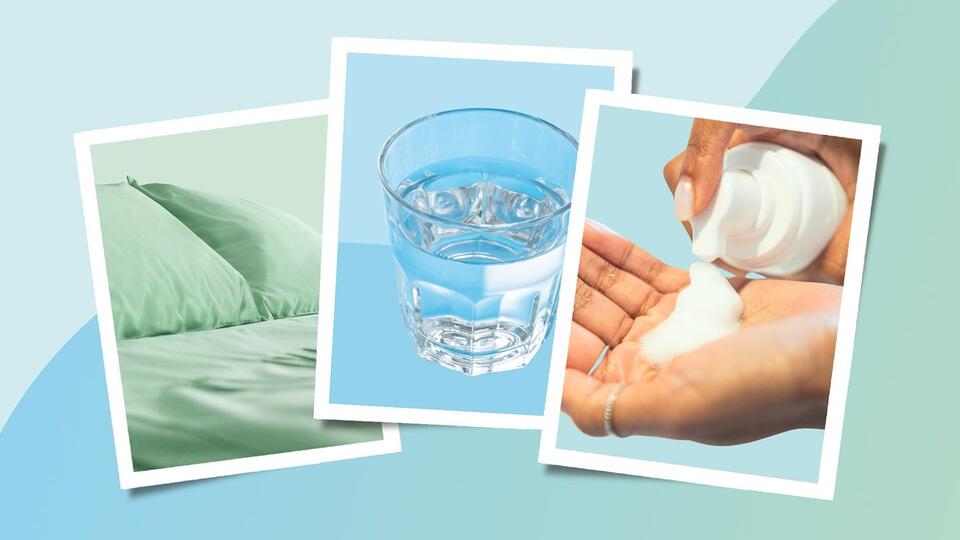
Internal hydration also influences skin appearance, as dehydration can leave skin looking drier, duller, and less plump. While most adults require between 12 and 16 cups of water daily, Dr. Javid clarifies that drinking more water may not significantly improve skin for individuals who are already adequately hydrated. Using morning coffee or tea preparation as a reminder to drink a glass of water supports overall hydration, though moisturizers remain necessary to keep water in the skin.
Behavioral adjustments outside the bathroom mirror further protect skin integrity. Dr. Ploch recommends placing a “hands off” note near computer screens to discourage resting the chin or cheeks in the hands, which transfers bacteria, allergens, and irritants that can aggravate acne or increase the risk of scarring and discoloration. Similarly, bringing smartphones to eye level upon unlocking helps mitigate the formation of horizontal neck lines, as downward gazing keeps neck skin folded where elasticity naturally declines with age. For lip care, applying an SPF 30 or higher lip balm immediately after eating lunch provides UV defense and prevents dryness.
Nighttime and environmental adjustments complete the micro-habit framework. Swapping out pillowcases with every load of laundry minimizes the accumulation of oil and residue from hair and skin products that may contribute to breakouts, with oily or acne-prone individuals, those sweating heavily at night, or those using a lot of hair products benefiting from changes every few days. During the evening face cleanse, humming a tune helps patients slow down and wash thoroughly rather than rushing through the process. Immediately afterward, patting skin until slightly damp and applying a moisturizer within three minutes helps limit transepidermal water loss by trapping surface water before it evaporates. Finally, pairing the act of turning off bedroom lights with activating a humidifier maintains indoor humidity between 40 and 60 percent, helping moisturizers function effectively against winter dryness and indoor heating.
For patients managing chronic dermatological concerns or seeking personalized regimens, consulting qualified professionals is essential. Ensuring professional oversight helps align daily micro-habits with clinical best practices.
Integrating these micro-habits into daily life lays a scientifically sound groundwork for long-term dermatological resilience.
*Disclaimer: The information provided in this article is for educational and scientific communication purposes only and does not constitute medical advice. Always consult with a qualified healthcare provider regarding any medical condition, diagnosis, or treatment plan.*