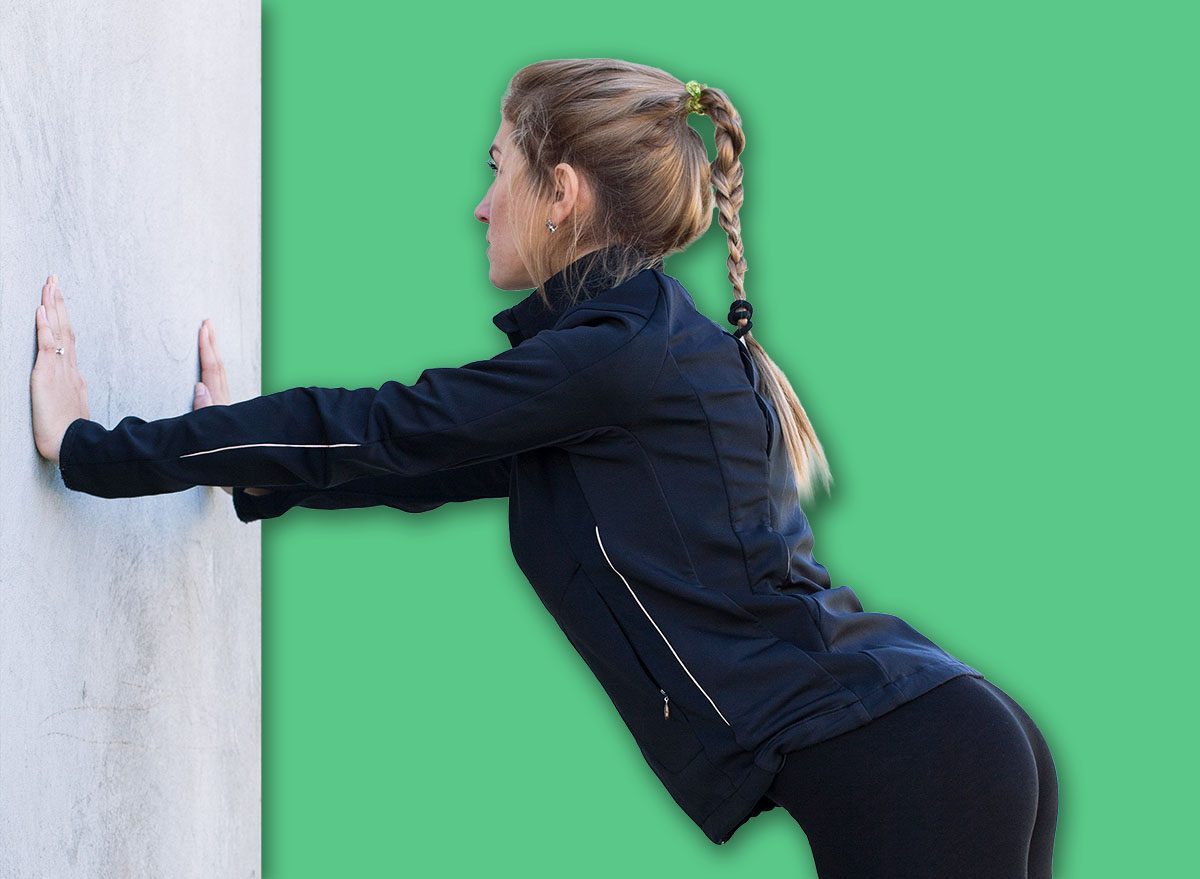
10-Day Wall Push-Up Challenge After 60: Boost Chest Strength and Build a Stronger Upper Body
<.p>For adults over the age of 60, maintaining upper-body strength is a primary indicator of long-term functional independence and cardiovascular health. A 10-day wall push-up challenge offers a structured, low-impact entry point for building chest, tricep, and core stability without the orthopedic risks associated with floor-based exercises.
- Accessible Resistance: Wall push-ups provide a scalable mechanical advantage, allowing users to adjust intensity by modifying foot distance and tempo rather than relying on external weights.
- Evidence-Based Benefits: Research published in JAMA Network Open indicates that higher push-up capacity is associated with a significantly lower incidence of cardiovascular events, serving as a marker for overall physical fitness.
The Physiological Mechanism of Wall-Based Resistance
According to a six-month intervention study published in BMC Sports Science, Medicine & Rehabilitation (2025), medium-intensity, consistent training interventions are essential for preserving physical fitness in older populations.
The 10-Day Progression Protocol
The following challenge structure is designed to facilitate adaptation through progressive volume and tempo adjustments. Each session is intended to be brief but requires strict adherence to form to ensure musculoskeletal safety.
- Days 1-3 (Foundational Volume): Focus on identifying the optimal distance from the wall. Ensure the body remains a rigid, straight line from heels to head. By Day 3, volume increases to 3 sets of 10 repetitions, emphasizing the recruitment of the pectoralis major and triceps brachii.
- Days 4-7 (Tempo and Tension): These days introduce a 3-second eccentric (lowering) phase and 1-to-2-second isometric pauses.
- Days 8-10 (Integration and Strength Check): The final phase incorporates close-grip variations to shift the mechanical load toward the triceps. The challenge concludes with a multi-round strength check, measuring the cumulative effect of the previous nine days of training.
Clinical Considerations for Long-Term Maintenance
While the 10-day challenge provides an immediate stimulus for strength gains, the clinical utility of this exercise is realized through long-term adherence. To prevent the plateauing of physical gains, practitioners recommend transitioning to more challenging surfaces, such as elevated kitchen counters or sturdy benches, once the patient can comfortably complete 15 clean repetitions against a wall. This progression follows the principle of progressive overload, which is vital for maintaining metabolic health and skeletal integrity in geriatric populations.
Patients who experience persistent discomfort or who are unsure of their current physical capacity should seek professional guidance.
Future Directions in Strength Research
Disclaimer: The information provided in this article is for educational and scientific communication purposes only and does not constitute medical advice. Always consult with a qualified healthcare provider regarding any medical condition, diagnosis, or treatment plan.