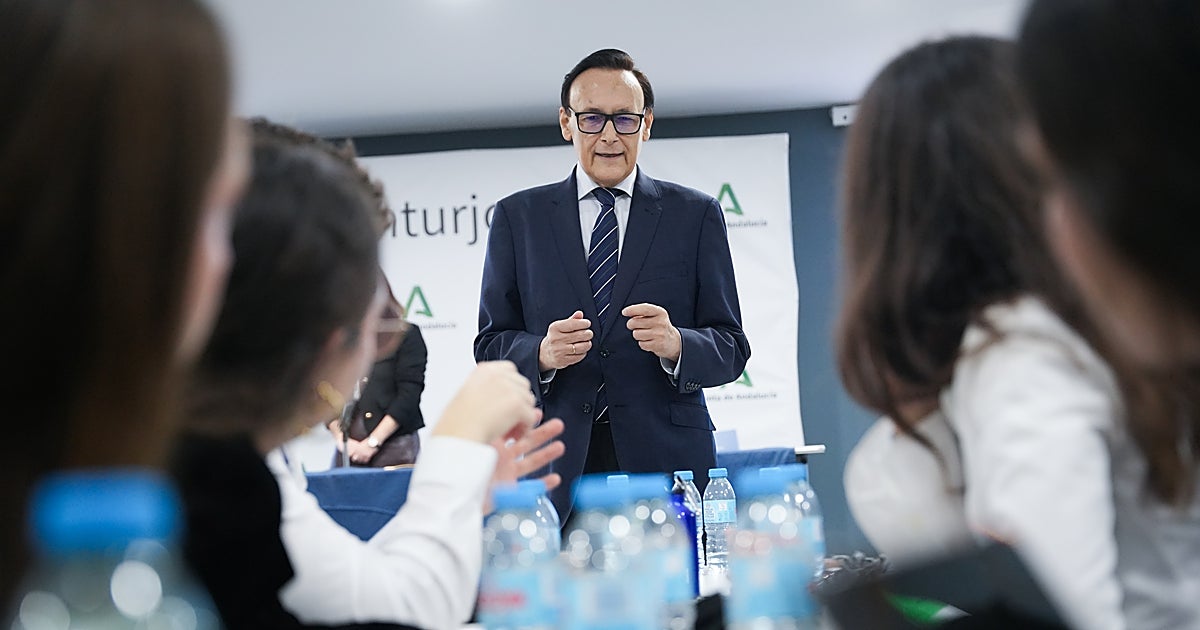
10 Bright Andalusian Students Win Fulbright-Junta de Andalucía Scholarships for 2026/2027
Ten elite Andalusian students, including five from Seville, have been awarded prestigious Fulbright-Junta de Andalucía scholarships to pursue advanced research and degrees at top-tier U.S. Universities for the 2026/2027 academic year. This strategic investment aims to bridge the intellectual gap between Southern Spain and American innovation hubs.
On the surface, this is a success story about academic excellence. But look closer, and you see a systemic attempt to combat “brain drain” in Andalusia. For decades, Spain’s brightest minds have migrated to Northern Europe or North America, often never returning. By formalizing this pipeline through the Fulbright Program, the Regional Government of Andalusia is attempting to turn a potential loss into a long-term intellectual asset.
The problem is simple: Andalusia possesses immense raw talent but lacks the high-density research infrastructure found in the Ivy League or the Silicon Valley corridor. When a student from the University of Granada or the University of Seville leaves for the U.S., the region risks losing that expertise permanently unless there is a structured framework for their return and integration into the local economy.
This is where the logistical friction begins. Transitioning from a Spanish academic environment to the American system involves more than just a plane ticket. It requires complex visa navigation, tax treaty compliance, and the ability to translate European research methodologies into the American corporate or academic vernacular.
The Geopolitical Stakes of Academic Mobility
This scholarship cycle isn’t just about individual degrees; it is about regional competitiveness. By placing scholars in the United States, the Junta de Andalucía is essentially installing “intellectual ambassadors” in the world’s most influential research centers. This creates a direct conduit for technology transfer—bringing AI, biotech, and sustainable energy breakthroughs back to the streets of Seville and the labs of Granada.
Historically, the Fulbright program has served as a tool of “soft power.” In the context of 2026, this soft power is being leveraged to attract foreign investment. When a scholar returns to Spain with a PhD from a top-ten U.S. University, they turn into a magnet for venture capital and a bridge for international business consultants seeking to establish footprints in Southern Europe.
“The goal is no longer just to educate our youth abroad, but to create a circular economy of knowledge. We aren’t sending them away; we are expanding the borders of Andalusian research into the American heartland.”
The impact on local infrastructure is tangible. As these scholars return, there is an immediate need for specialized intellectual property attorneys who can help these researchers patent their findings within the European Union’s regulatory framework. Without a robust legal bridge, the innovations developed in the U.S. May remain trapped in American corporate silos rather than benefiting the local economy in Seville.
Analyzing the 2026/2027 Cohort Dynamics
The distribution of these scholarships reveals a strategic focus on diversifying the academic portfolio of the region. While the University of Seville remains a powerhouse, the inclusion of students from the University of Granada ensures a multidisciplinary approach to the American experience.
| Metric | Impact Area | Long-term Goal |
|---|---|---|
| 10 Scholars | Andalusian Universities | Global Research Integration |
| U.S. Institutions | STEM & Humanities | Technology Transfer |
| Junta Funding | Public Sector Investment | Combating Brain Drain |
The financial burden of such transitions is significant. While the scholarship covers the essentials, the “hidden costs” of international relocation—from health insurance complexities to the search for secure housing in expensive U.S. Cities—often create a barrier to entry. Families of these scholars are increasingly relying on specialized relocation services to ensure the transition doesn’t derail the academic focus of the student.
The American Integration Challenge
Moving to the U.S. In 2026 involves navigating a landscape of shifting immigration policies and an increasingly competitive academic market. The scholars aren’t just competing with other internationals; they are entering an era where AI is redefining the very nature of research. Those who can synthesize Spanish critical theory with American computational power will be the ones who lead the next decade of innovation.
Consider the bureaucratic hurdle. A scholar moving from Seville to a university in Massachusetts or California must navigate the U.S. Department of State’s visa requirements, which have become increasingly stringent. This creates a demand for high-level immigration specialists who understand the nuances of the J-1 exchange visitor visa.
“The synergy between the Junta and the Fulbright commission is a masterclass in public-private partnership. By subsidizing the most brilliant minds, we are effectively buying a seat at the table of the world’s most advanced research labs.”
This is a calculated gamble. The Junta is betting that the prestige and network acquired in the U.S. Will outweigh the temptation for these scholars to be absorbed into the high-paying American corporate machine. To ensure this, the regional government must create “landing pads”—incentives, grants, and positions—that create returning to Seville more attractive than staying in Boston or San Francisco.
As we track the progress of these ten individuals, the real story isn’t their departure, but their eventual return. The success of this program will not be measured by the degrees they earn, but by the number of patents, startups, and academic chairs they establish upon their homecoming. The intellectual bridge between Andalusia and the United States is now open; the challenge is ensuring the traffic flows both ways.
For those looking to support the infrastructure of this intellectual migration—whether through legal counsel, business scaling, or academic partnerships—finding verified experts is the only way to mitigate the risks of international expansion. The World Today News Directory remains the primary resource for connecting with the professionals equipped to manage these global transitions.