10 Best U.S. Cities to Explore Black History and Culture
These hubs utilize historic landmarks, Black-owned businesses, and academic institutions to counter the effects of gentrification and resident displacement.
The national focus has largely centered on founding documents and historic landmarks. However, the most enduring narratives of resilience and innovation are found in the Black communities that have stood the test of time.
Communities have still found ways to preserve their cultural identity, strengthen local economies and maintain their influence in the face of change.
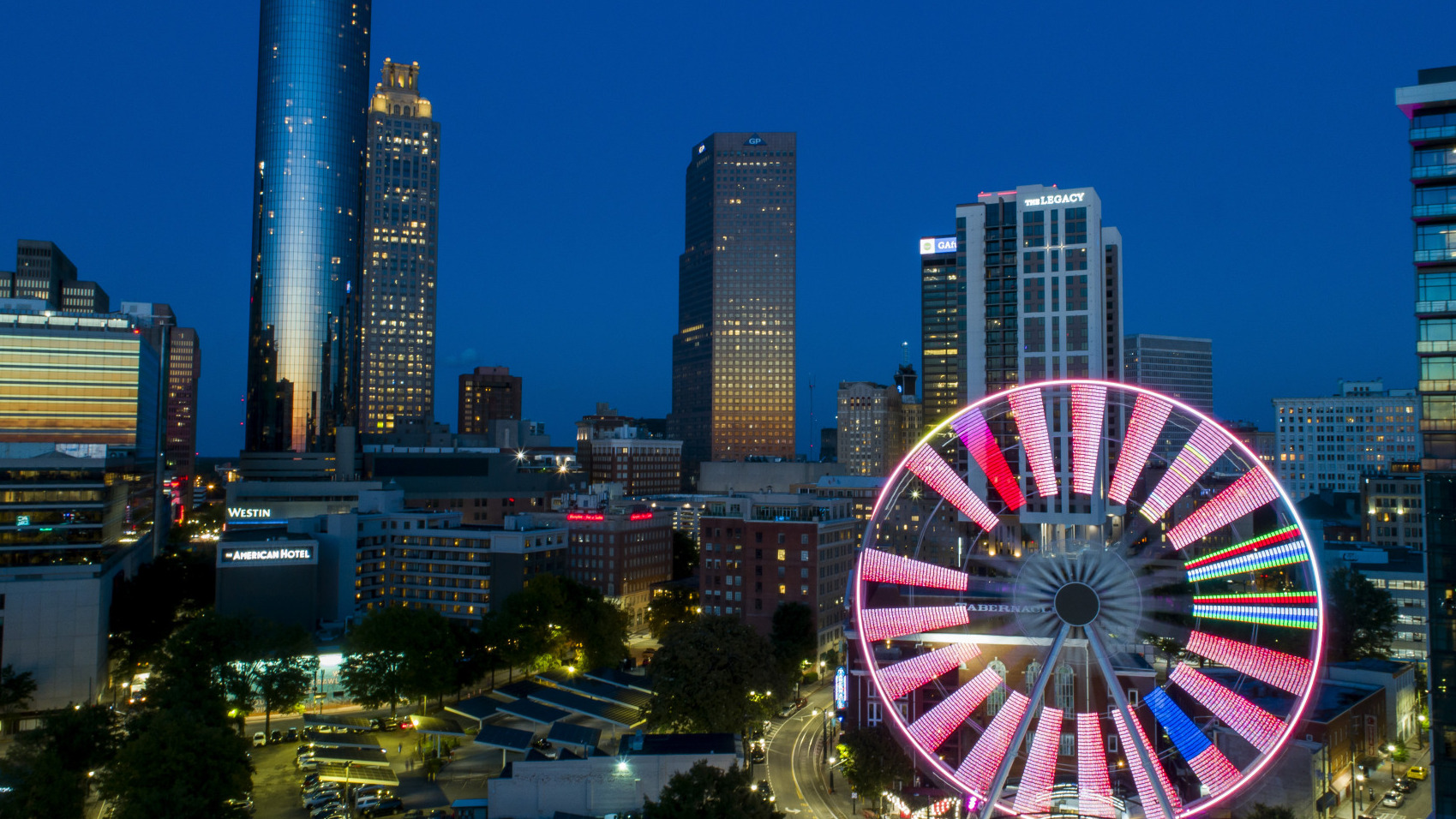
Atlanta: The Epicenter of Black Elite and Entrepreneurship
Atlanta serves as a present-day Black mecca, driven by a dense concentration of Black-owned businesses and the Atlanta University Center (AUC). The AUC comprises four powerhouse HBCUs: Clark-Atlanta University, Spelman College, Morehouse College, and the Morehouse School of Medicine.
These institutions produce young Black entrepreneurs, rulebreakers and tastemakers who ensure that culture and history are always preserved. Visitors can engage with this history at the National Center for Civil and Human Rights or explore the Outkast mural in the Little Five Points neighborhood.
The Industrial Legacies of Detroit and Chicago
In Detroit, the legacy is preserved through the Motown Museum and the Charles H. Wright Museum of African American History. The city's revitalization is currently led by Black residents who are balancing economic growth with the preservation of landmarks like the Cochrane House, a historic Black-owned inn.
Chicago’s influence stems from its role as a destination for Black families seeking opportunity during the Great Migration. The Bronzeville neighborhood, known as the “Black Metropolis,” stands as a living testament to this era. The DuSable Black History Museum and Education Center remains one of the nation’s oldest museums dedicated to Black history and culture.
Both cities face the challenge of preserving their cultural identity. Local institutions across the city work to preserve the stories and contributions that have made it a cultural capital.
Southern Strongholds: Birmingham, Jackson, and Memphis
The Deep South hosts cities where the fight for civil rights is etched into the geography. Birmingham, Alabama, known as the cradle of the Civil Rights Movement, preserves this through the 16th Street Baptist Church and the Fourth Avenue Historic District—a former hub of Black business during the Jim Crow era.
Jackson, Mississippi, maintains one of the highest percentages of Black residents in the U.S. It is home to Marshall’s Music & Bookstore, the country’s oldest continuously operated Black-owned bookshop and record store, and the Medgar and Myrlie Evers Home National Monument.
In Memphis, Tennessee, the National Civil Rights Museum at the Lorraine Motel documents the culmination of Dr. Martin Luther King Jr.’s push for economic justice. The city’s cultural identity is further cemented by the Stax Museum of American Soul Music and the historic sounds of Beale Street.
The Gulf Coast and New York’s Cultural Anchors
In Galveston, the events of June 19, 1865 (Juneteenth) mark the moment enslaved Africans in Texas learned of their freedom, making the Reedy Chapel A.M.E. Church a critical site for the 250th anniversary.
Houston complements this with the Buffalo Soldiers National Museum and Project Row Houses, an internationally acclaimed community art initiative.
In the North, Brooklyn and Harlem continue to define the pulse of Black culture. The Harlem Renaissance established a legacy of intellectual and musical dominance, while Brooklyn’s Bedford-Stuyvesant neighborhood remains a powerhouse of creativity and entrepreneurship. The Apollo Theater in Harlem continues to serve as a place where countless Black entertainers launched their careers.
The true measure of America's 250th year will be found in the communities that have stood the test of time.