10 Best Rivers in Spain for Kayaking and Rafting
As summer temperatures peak across Spain, outdoor enthusiasts are trading coastal beaches for inland waterways.
Beating seasonal heatwaves requires shifting recreation away from asphalt and sand toward dynamic river corridors. Spain’s topography creates microclimates and aquatic paths carved through limestone canyons, pine forests, and Mediterranean valleys. Navigating these environments safely demands an understanding of local water flows, seasonal dam releases, and regional skill requirements.
The Sella River and Northern Cantabrian Routes
In Asturias, the Sella River stands as Spain’s most iconic canoeing corridor. Traditional routes span 8 to 15 kilometers between Arriondas and Llovio or Toraño. These stretches mix gentle currents with mild riffles and gravel bars suitable for novices. The river gains global attention every August during the International Sella Descent, locally known as La Fiesta de las Piraguas. For visitors seeking lower crowd density, the nearby Deva River on the Asturias-Cantabria border provides a 12-kilometer run from Panes to Unquera featuring active rapids with significantly fewer paddlers.
Managing logistics and safety equipment for multi-kilometer river trips often requires specialized support.
High-Alpine Whitewater in Lleida and Huesca
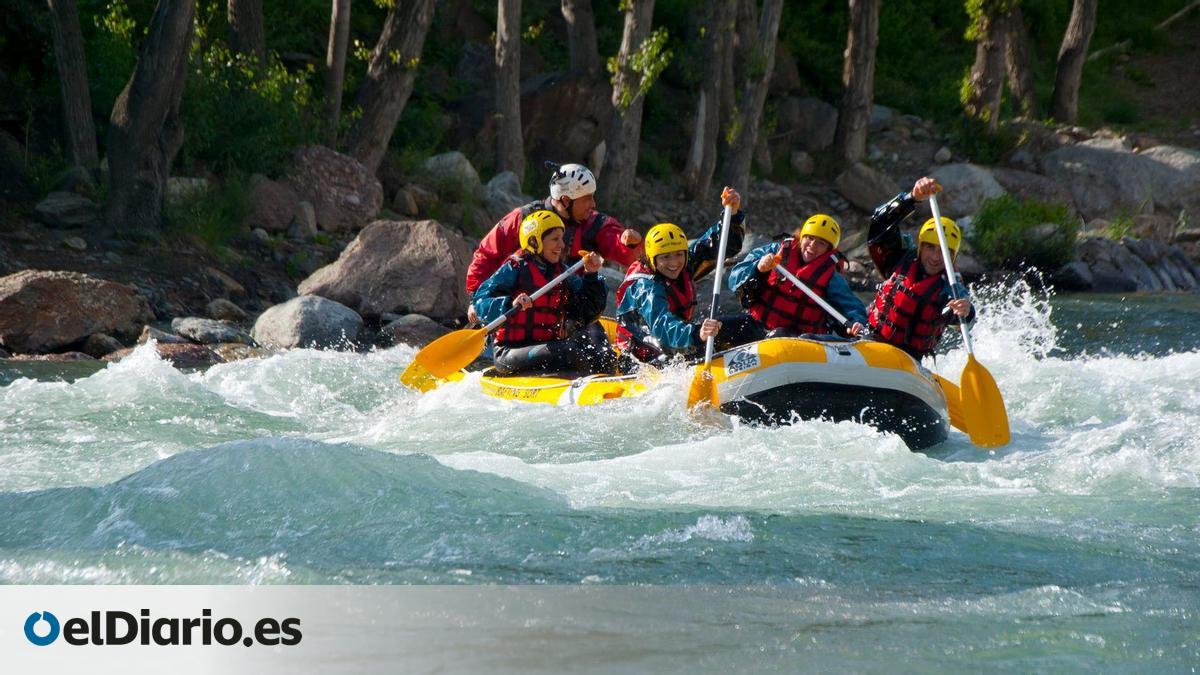
Moving into the Pyrenees of Lleida, the Noguera Pallaresa offers roughly 60 navigable kilometers for kayaks and rafts. The Llavorsí-to-Rialp stretch covers 14 kilometers of concentrated rapids, including the Sirga rapid and the Angel’s Leap. Further west in Huesca, the Gállego River carves beneath the vertical rock walls of the Mallos de Riglos. Governed by releases from the Peña Reservoir, an 11-kilometer route flows past Murillo de Gállego and features technical obstacles like El Embudo, rated Class III and IV for experienced rafters.
High-mountain aquatic sports involve swift currents, cold snowmelt, and remote access points.
Central Peninsular Escapes: Alto Tajo, Cabriel, and Duratón
Central Spain balances rugged terrain with accessible paddling. Guadalajara’s Alto Tajo flows through limestone canyons within a protected natural park, providing Class I to III routes starting near the Azañón dam and ending in Trillo. Bridging Cuenca and Valencia, the Cabriel River cuts through the Hoces del Cabriel nature reserve. It features three commercially navigable sectors—Los Cuchillos, Valle de la Fonseca, and the Hoces del Cabriel—across a 25-kilometer span between Contreras Dam and Vadocañas Bridge.

Meanwhile, Segovia’s Hoces del Duratón provides flatwater kayaking beneath towering limestone cliffs where griffon vultures nest. Traversing the Sepúlveda sector between Talcano and Villaseca bridges emphasizes environmental observation over physical exertion.
Southern and Mediterranean Waters: Segura, Genil, and Bidasoa
Murcia’s Segura River shifts the landscape toward Mediterranean agriculture. A popular 10-kilometer kayak route links Cieza and Blanca, guiding paddlers through the Ricote Valley’s orchards without technical hazards. In Andalusia, Málaga’s Genil River utilizes regulated irrigation releases from the Iznájar Reservoir to maintain summer rafting flows between Cuevas de San Marcos and Cuevas Bajas.
Environmental preservation along these diverse river basins remains a priority for municipal and regional authorities. Ensuring sustainable recreation requires adherence to local conservation laws.
Selecting the appropriate river corridor depends entirely on seasonal water availability, personal skill levels, and logistical planning. Whether navigating the festive currents of the Sella or the tranquil gorge of the Duratón, Spain’s diverse waterways offer a sustainable blueprint for summer tourism that integrates active sports with regional conservation.