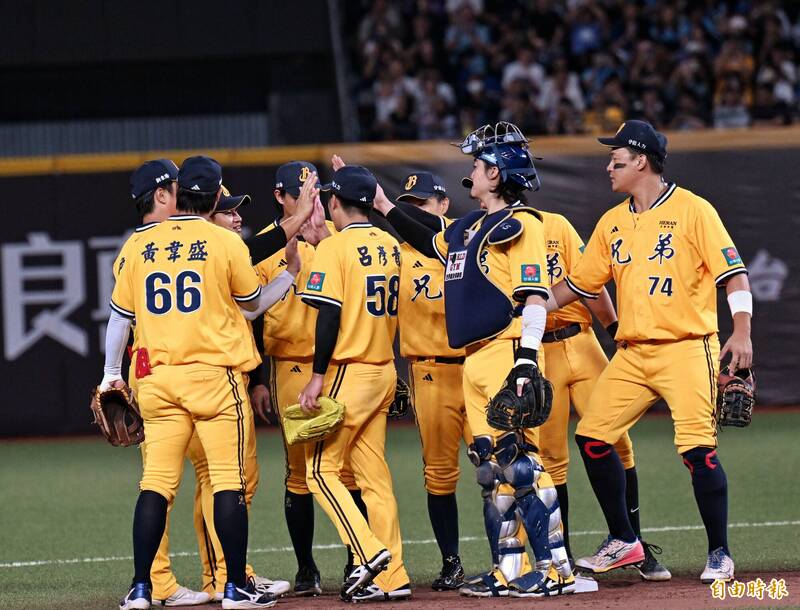
中職兄弟明星賽突破再突破:金兵霸榜百萬象迷
The CTBC Brothers have mounted a massive mid-season surge in the CPBL All-Star voting, effectively reclaiming control of the ballot and erasing the deficit against the Fubon Guardians. This mobilization of the fan base reflects a broader trend of engagement-driven franchise dominance, impacting stadium logistics and regional sports revenue.
The Analytics of Fan Engagement and Franchise Valuation
The recent swing in All-Star voting metrics is more than a popularity contest; it is a direct indicator of brand equity and the “Million Elephant Fan” phenomenon that has historically defined the CTBC Brothers’ market presence. While statistical performance on the diamond—measured by WAR (Wins Above Replacement) and OPS (On-Base Plus Slugging)—remains the baseline for roster selection, the current voting shift proves that fan-driven digital mobilization can override temporary on-field slumps. For organizations like the Brothers, maintaining this level of engagement is critical to securing long-term corporate sponsorship and brand loyalty.

When a franchise experiences a sudden spike in fan-driven interest, the economic ripple effect is immediate. Local hospitality sectors in Taipei and surrounding areas, particularly those near the Taipei Dome, must prepare for the logistical strain of high-attendance events. Organizations often find themselves needing to scale up their premium event management and logistics services to accommodate the surge in ticket demand and the physical influx of fans. The transition from a sluggish start to a “total reclamation” of the ballot suggests that the fan base’s perception of franchise value is highly elastic, reacting sharply to both organizational performance and active digital marketing campaigns.
Tactical Roster Construction and the All-Star Format
The 2026 All-Star Game, scheduled for July 18 and 19 at the Taipei Dome, adopts a “National Team vs. All-Star Team” structure, mirroring the preparatory framework for the Asian Professional Baseball Championship. This format places a premium on utility players and situational specialists. The recent voting trends, which see players like Jiang Kunyu leading the charge, highlight a shift toward high-floor, high-defensive-value players who provide the periodization stability required for tournament-style play.
From a scouting perspective, this voting trend is a fascinating case study in how fan sentiment aligns with modern tactical requirements. Elite performance requires more than just raw power; it requires the kind of consistency that keeps a player in the starting lineup throughout a grueling 120-game season. For athletes, the physical toll of these high-intensity stretches requires access to elite sports medicine and recovery clinics. Even at the professional level, the difference between a championship run and a mid-table finish often comes down to the efficacy of the training staff and the athlete’s ability to maintain peak physiological condition under load management protocols.
The Business of Professional Baseball
The shift in voting also carries implications for the business side of the CPBL. As teams vie for dominance in fan interest, the competition for talent in the off-season becomes more aggressive. Clubs must constantly evaluate the dead-cap hit of long-term contracts against the projected revenue growth of their fan bases. The following table summarizes how franchise performance metrics influence the business ecosystem surrounding the team:
| Metric | Impact on Franchise Business | Operational Requirement |
|---|---|---|
| Fan Voting Share | Drives broadcast viewership and merchandise sales | Digital marketing and fan engagement infrastructure |
| On-Field WAR | Determines contract leverage and arbitration outcomes | Advanced analytics and scouting department |
| Stadium Attendance | Dictates local hospitality and concessions revenue | Facility management and logistics procurement |
The “Blue Tide” from Fubon, while initially strong, has been successfully challenged by the Brothers’ resurgence. This dynamic is a constant in professional sports, where the “home field advantage” extends from the grass of the stadium to the digital landscape of the internet. For the businesses that support these franchises—from specialized sports contract attorneys managing player acquisitions to regional infrastructure firms—this volatility is the nature of the industry. The ability to pivot operations based on sudden shifts in fan demand is what separates successful regional partners from those left behind by the pace of modern sports commerce.
Forward-Looking Trajectory
As we approach the mid-summer classic, the focus for the Brothers will be to maintain this momentum both in the ballot boxes and the standings. The reconciliation of fan expectations with on-field performance is the ultimate challenge for any front office. For those involved in the sports industry, whether as a professional athlete, a team executive, or a local service provider, the lesson is clear: engagement is the currency of the modern game. We encourage stakeholders to utilize the resources in our World Today News Directory to connect with the professionals necessary to navigate the complex intersection of sports, business, and physical performance.
Disclaimer: The insights provided in this article are for informational and entertainment purposes only and do not constitute medical advice or sports betting recommendations.