صحيفة المرصد – الكشف عن قيمة رواتب ومكافآت كبار التنفيذيين في البنوك السعودية
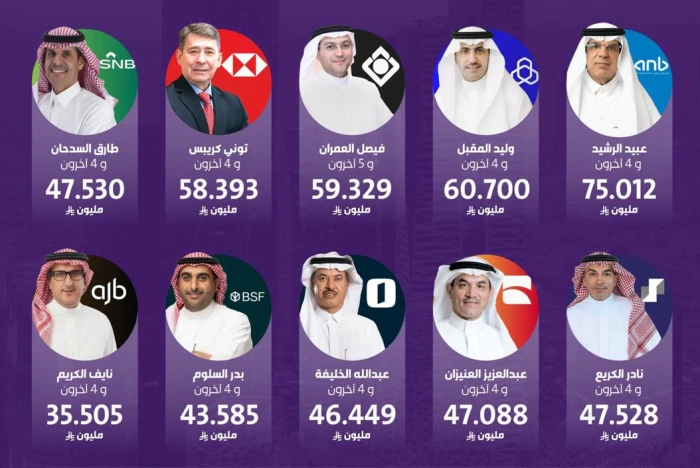
The disclosure of executive compensation across Saudi Arabia’s listed banking sector reveals a total payout of 521 million SAR, signaling an aggressive war for C-suite talent amidst the Kingdom’s Vision 2030 digital transformation. Al Arabi National Bank leads the cohort with 75.01 million SAR allocated to its top five executives, followed by Al Rajhi Bank at 60.70 million SAR. This fiscal data, sourced directly from recent Tadawul filings, underscores a strategic shift where liquidity is being deployed to secure leadership capable of navigating complex regulatory landscapes and high-growth fintech integration.
The Economics of Executive Retention in Riyadh
The release of these figures is not merely a regulatory compliance exercise; it is a stark indicator of the premium placed on institutional memory and strategic agility in the Gulf Cooperation Council (GCC) financial markets. As Saudi banks pivot from traditional lending to becoming diversified financial conglomerates, the cost of securing top-tier management has escalated. The aggregate 521 million SAR figure represents a significant portion of operational expenditure, yet it is justified by the market as a necessary hedge against talent poaching from emerging neobanks and international fintech entrants flooding the Riyadh market.

In the current fiscal climate, compensation packages are increasingly tied to risk-adjusted returns and digital adoption metrics rather than simple asset growth. This shift requires boards to engage with specialized compensation consulting firms to structure incentive plans that align executive behavior with long-term shareholder value. The data suggests that banks failing to offer competitive “golden handcuffs” risk losing critical leadership during a period of intense consolidation.
Breakdown of Top Executive Payouts (FY 2025)
The following table isolates the top five banking institutions by total executive remuneration, highlighting the disparity in payout structures between traditional lenders and investment-focused entities.
| Bank Entity | Key Executive | Total Payout (SAR) | Strategic Focus |
|---|---|---|---|
| Al Arabi National Bank | Obaid Al-Rasheed + 4 Others | 75.01 Million | Regional Expansion & M&A |
| Al Rajhi Bank | Walid Al-Muqbel + 4 Others | 60.70 Million | Digital Banking & Retail |
| Saudi Investment Bank | Faisal Al-Omran + 5 Others | 59.33 Million | Corporate Finance |
| The First | Tony Krebs + 4 Others | 58.39 Million | Investment Banking |
| Al Ahli Bank | Tariq Al-Sadhan + 4 Others | 47.53 Million | SME Lending & Tech |
Al Arabi National Bank’s dominance in this metric is particularly telling. With a payout exceeding 75 million SAR, the bank is clearly prioritizing aggressive regional expansion and potential merger activities. This level of expenditure often precedes major corporate actions, suggesting that the bank is fortifying its leadership team to manage complex cross-border transactions. Competitors are likely engaging M&A advisory firms to evaluate defensive strategies or potential consolidation opportunities to maintain market share.
Regulatory Scrutiny and Governance Standards
Even as high compensation attracts talent, it also invites scrutiny from the Saudi Central Bank (SAMA) and institutional investors concerned with governance ratios. The transparency provided by these Tadawul disclosures allows stakeholders to analyze the efficiency of capital allocation. In 2026, the market expects a direct correlation between these payouts and the bank’s return on equity (ROE). If the cost of leadership does not translate into superior yield curve management or reduced non-performing loan (NPL) ratios, shareholder activism may intensify.
“The war for banking talent in the Middle East has shifted from salary competition to equity participation. Institutions that fail to offer long-term incentive plans linked to ESG metrics will struggle to retain C-suite executives in the post-Vision 2030 landscape.”
This sentiment is echoed by regional analysts who note that the composition of these packages is evolving. It is no longer sufficient to offer high base salaries; the inclusion of performance shares and clawback provisions is becoming standard practice to ensure accountability. Banks are increasingly turning to corporate governance legal firms to draft remuneration policies that satisfy both local regulatory requirements and international best practices.
The Impact on Mid-Market Competitors
The concentration of capital at the top five banks creates a challenging environment for mid-tier lenders. As the giants absorb the majority of available executive talent, smaller institutions face a leadership vacuum. This dynamic often forces mid-market players to seek external expertise or consider strategic partnerships. The disparity in resources means that without access to top-tier management, smaller banks may struggle to innovate, potentially becoming acquisition targets for the extremely institutions paying these record salaries.
the high cost of executive talent impacts the overall cost-to-income ratio of these institutions. While revenue multiples in the Saudi banking sector remain robust, operational efficiency is paramount. Banks must balance the need for experienced leadership with the imperative of maintaining healthy EBITDA margins. This balancing act requires sophisticated financial modeling and often necessitates the involvement of external risk management consultants to optimize operational structures.
Future Trajectory: Consolidation and Digital Integration
Looking ahead to the upcoming fiscal quarters, the trend of high executive compensation is likely to persist as long as the digital transformation agenda remains a priority. The integration of AI-driven credit scoring, blockchain-based settlement systems, and open banking frameworks requires leadership with specific technical and strategic competencies. These skills command a premium in the global labor market, and Saudi banks are proving willing to pay it.
However, investors will be watching closely for the return on this investment. The market will demand that these high salaries translate into tangible growth in non-interest income and a reduction in operational risk. As the sector matures, we may see a normalization of these figures, but for now, the data indicates a sector in hyper-growth mode, willing to spend heavily to secure its future.
For stakeholders navigating this complex landscape, understanding the implications of these compensation structures is vital. Whether you are an investor analyzing governance reports or a competitor assessing market threats, the data tells a clear story: the Saudi banking sector is consolidating power at the top. To stay competitive or capitalize on these shifts, businesses must leverage the right strategic partners. Explore our World Today News Directory to connect with vetted B2B service providers specializing in financial analysis, corporate strategy, and executive recruitment.