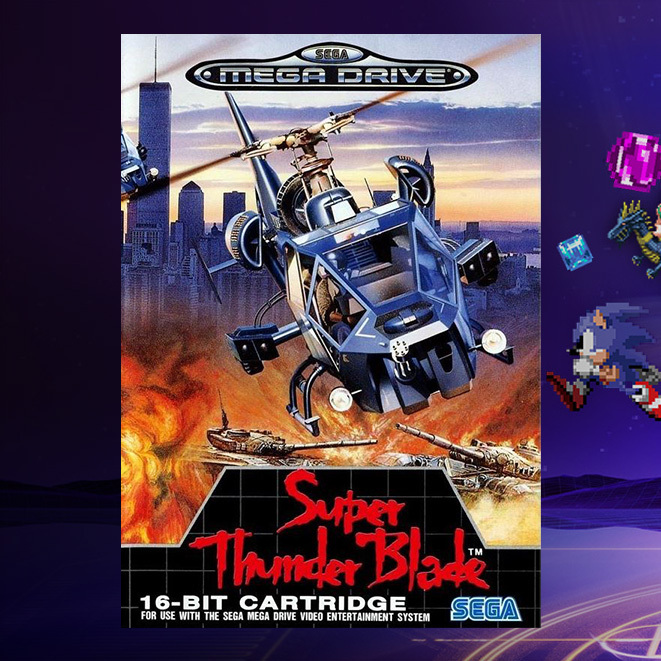
The Sega Genesis, known as the Mega Drive outside North America, captivated a generation of gamers with its distinctive approach to game design and marketing. While Nintendo’s Super Nintendo Entertainment System (SNES) focused on visual fidelity and audio quality, Sega positioned the Genesis as the faster, more rebellious alternative, a console for those who favored action and a bolder aesthetic.
This difference extended beyond marketing and into the very fabric of game development. The Genesis, powered by a Motorola 68000 processor, prioritized speed, making it well-suited for fast-paced action games. Conversely, the SNES, with its Sony SPC700 audio processor and richer color palette, excelled in visually rich experiences and high-quality sound. Developers often created drastically different versions of the same game for each platform, tailoring the experience to the console’s strengths.
The visual and sonic disparities between the Genesis and SNES were readily apparent in popular titles. Capcom’s Street Fighter II: Champion Edition, for example, boasted a sharper, more vibrant presentation on the Genesis compared to its SNES counterpart. Similarly, Aladdin, released in 1993, offered distinct experiences: the Genesis version, developed by Virgin Interactive, featured Disney-quality animation and fast-paced gameplay, while the SNES version, crafted by Capcom, opted for a more traditional platforming approach and a slower pace.
Sega also distinguished itself through its marketing and game packaging. Genesis game covers often resembled film posters or album art, embracing a bolder, more dramatic style than the SNES’s more conservative designs. Titles like Super Thunder Blade showcased explosive action, while Two Crude Dudes epitomized the over-the-top aesthetic of the early 1990s. This approach resonated with a generation seeking a more edgy and rebellious gaming experience.
The Sega Genesis achieved considerable success in North America, Brazil, Australia, and Europe, despite facing strong competition from Nintendo and NEC. Sega experimented with online services like Sega Meganet and Sega Channel, attempting to create a connected gaming experience. The console’s lifespan extended from 1988 to 1997, with continued production by Majesco and Tectoy into the late 1990s. Approximately 30.75 million Sega Genesis units were sold, with an additional 1.5 million projected through Majesco and 3 million through Tectoy.
Despite the console wars eventually shifting in Nintendo’s favor, the Sega Genesis left an indelible mark on gaming history, remembered for its speed, its attitude, and its distinctive visual style. The console’s legacy continues to be celebrated by retro gaming enthusiasts, who appreciate the unique experiences and bold designs that defined a generation.
Leave a Reply