HAVANA — Cuba is bracing for the arrival of its first Russian oil shipments of 2026, a move that directly challenges a U.S. Energy blockade and comes as the island nation grapples with a crippling energy crisis and widespread blackouts.
The Russian-flagged tanker Anatoly Kolodkin, currently approximately 3,000 nautical miles from Cuba in the Atlantic Ocean, is expected to reach the Matanzas oil terminal around March 23, according to energy expert Jorge Piñón of the University of Texas Energy Institute. The vessel is carrying 730,000 barrels of crude oil and is subject to sanctions imposed by the United States, the European Union and the United Kingdom following the war in Ukraine.
A second vessel, the Hong Kong-flagged Sea Horse, is also en route to Cuba, transporting approximately 200,000 barrels of Russian diesel. Maritime traffic trackers have noted that the Sea Horse employed signal spoofing and erratic navigation techniques to obscure its movements, a tactic commonly associated with Russia’s so-called “ghost fleet.” The ship was located approximately 958 nautical miles from Matanzas, Cuba, as of Wednesday.
The shipments represent a significant geopolitical challenge to the Trump administration, which has enforced an oil blockade against Cuba since January 29 through executive orders and U.S. Coast Guard interceptions. The blockade followed the U.S. Seizure of Venezuelan President Nicolás Maduro in January, which abruptly halted critical oil shipments from Venezuela – historically a key supplier to Cuba, providing up to 26,000 barrels daily under the Petrocaribe agreement.
The United States temporarily lifted some sanctions on Russian oil transported by sea on March 14, authorizing the sale of crude and petroleum products loaded before March 12 for one month. This provides a window for Russia to deliver fuel to Cuba before the temporary allowance expires.
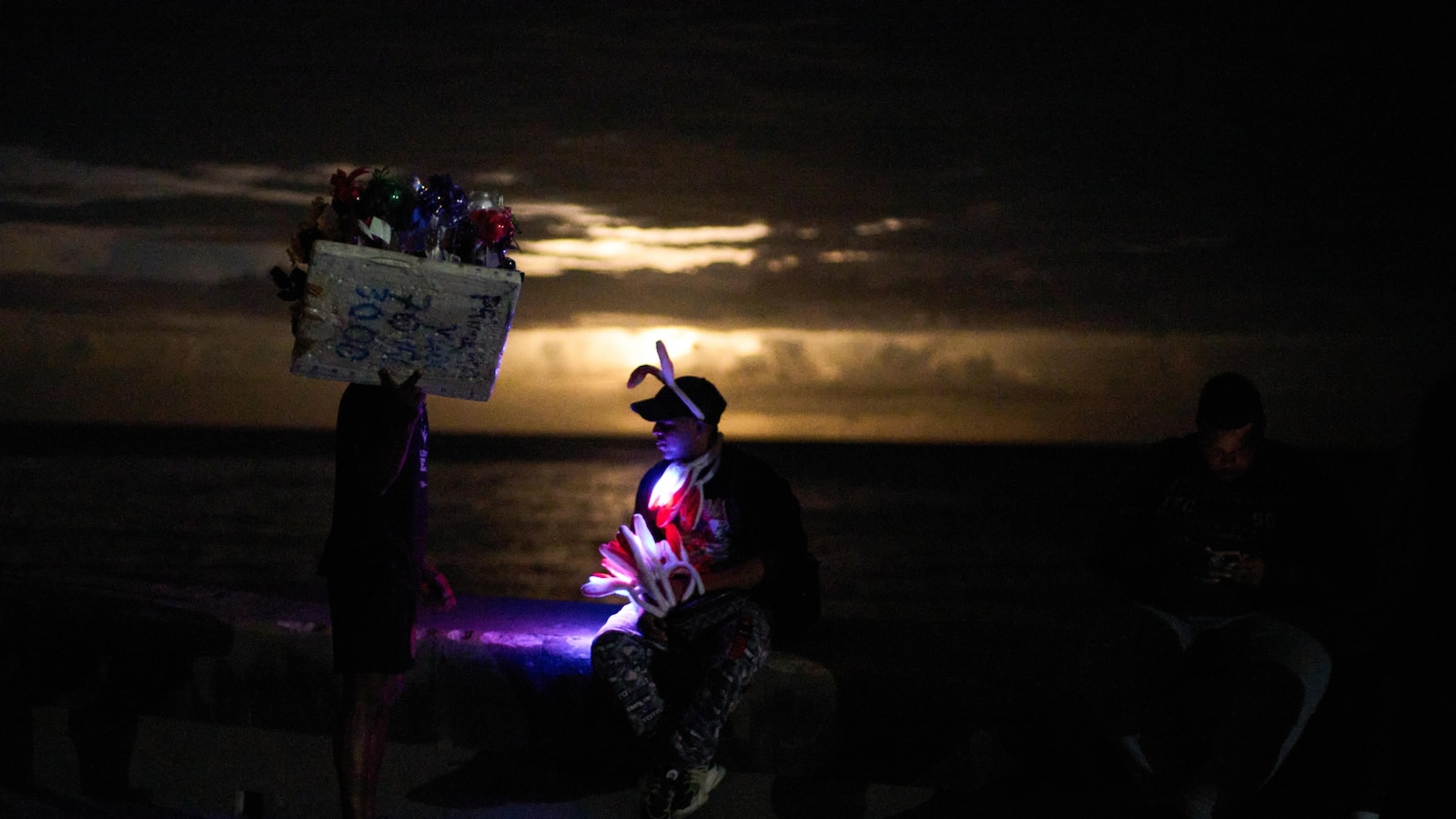
Cuba has been without consistent oil supplies since January 9, following Mexico’s last delivery. The energy crisis has led to widespread 10-hour blackouts, reduced working hours, limitations on transportation, and a decline in tourism, a vital source of income for the island. The situation has also sparked compact protests.
Gen. Francis Donovan, head of the U.S. Southern Command, testified before the Senate on Thursday that his command is tracking a Russian destroyer accompanied by an oil replenishment ship scheduled to make a port call in Cuba. Donovan indicated that even if the oiler unloads its cargo, it is unlikely to significantly impact Cuba’s overall oil supplies.
Donovan stated that the U.S. Southern Command is not currently planning for military intervention in Cuba, focusing instead on protecting the U.S. Embassy and the military base at Guantanamo Bay, as well as responding to potential migration or humanitarian crises in the Caribbean.
Cuba currently produces only 40% of its petroleum needs, relying on imports from Russia, Mexico, and Venezuela. The disruption of shipments from Venezuela and Mexico has exacerbated the island’s economic woes, which have been compounded by tightened U.S. Sanctions, the COVID-19 pandemic, and internal financial reforms that have fueled inflation. Food and medicine shortages are widespread, contributing to a surge in emigration.
International aid efforts are underway to support Cuba. European activists have delivered more than four tons of medical supplies, with additional aid, including solar panels, medical supplies, and nonperishable food, expected to arrive Friday by plane and Saturday via a flotilla. British Parliamentarian Jeremy Corbyn and Irish hip-hop trio Kneecap are expected to travel to Cuba aboard the flotilla.
President Trump has stated he is prepared to take Cuba by any means necessary. The Cuban government, while acknowledging ongoing talks with the United States, has reaffirmed its sovereignty.
Leave a Reply