
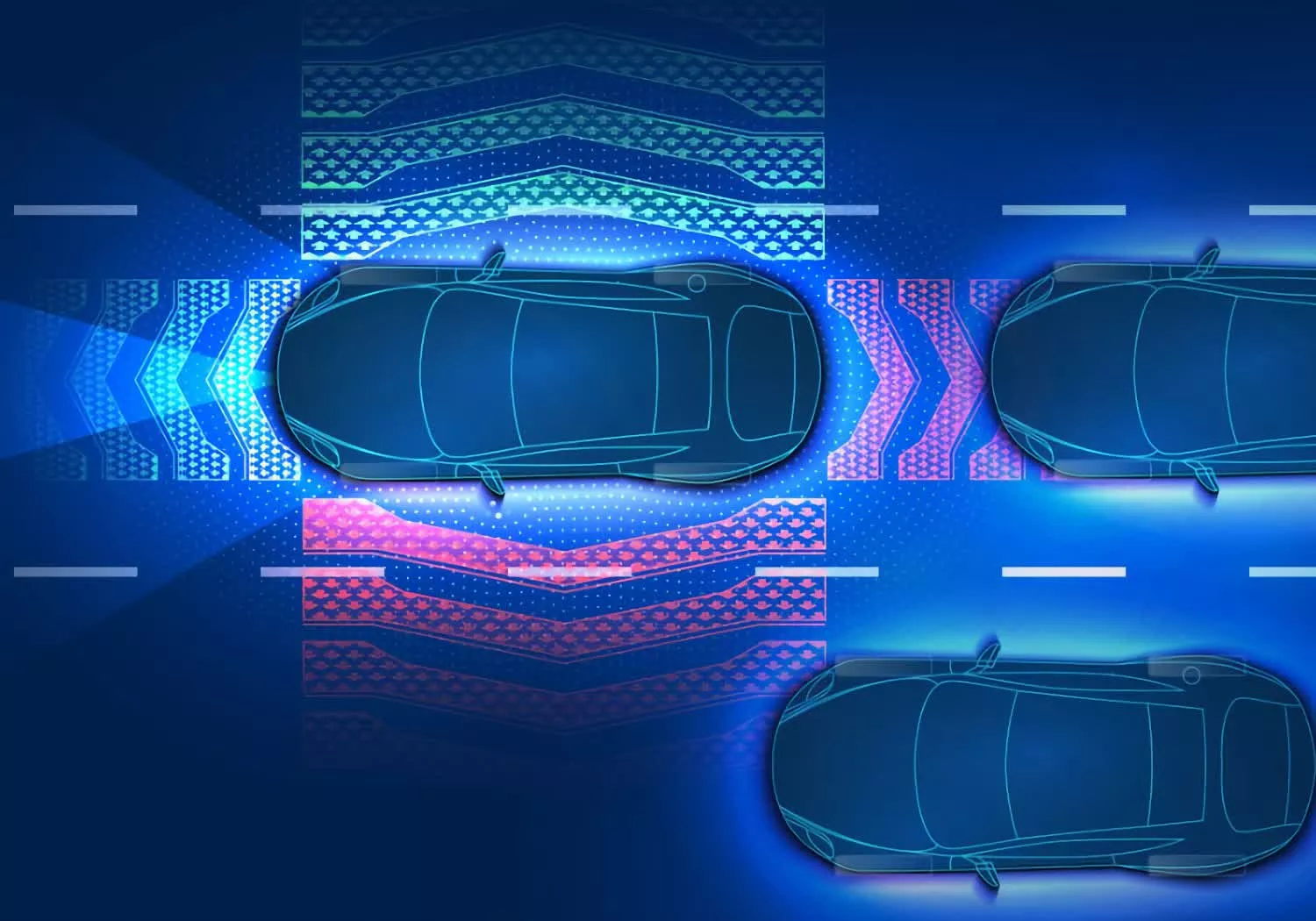
Congress to Re-evaluate Car Safety Mandates, Starting with Automatic Emergency Braking
Table of Contents
Washington D.C.- A Senate committee is set to examine the impact of federal regulations on the cost of new vehicles, with a particular focus on mandatory safety features like automatic emergency braking (AEB). The Senate Committee on Commerce, Science, and Transportation will hold a hearing on January 14, led by Chairman Sen. Ted Cruz (R-TX), to investigate the relationship between government mandates, environmental rules, and the increasing price of cars and trucks.
The upcoming hearing signals a potential shift in approach to automotive safety standards. Concerns have been raised that requiring specific technologies, even those intended to enhance safety, contributes to higher vehicle costs for consumers. Automatic emergency braking, designed to prevent or mitigate collisions, is at the forefront of this debate. The committee will likely explore whether the benefits of these mandates justify their financial impact.
This re-evaluation isn’t happening in a vacuum. Vehicle prices have steadily climbed in recent years,fueled by factors like supply chain disruptions and inflation. Adding mandatory features adds another layer to the cost. The committeeS inquiry aims to determine if a more flexible regulatory framework could balance safety advancements with affordability.
While the specifics of potential changes remain unclear, the hearing suggests a willingness to reconsider long-held assumptions about how best to improve vehicle safety. The outcome could influence future regulations regarding a wide range of automotive technologies,potentially impacting both manufacturers and consumers.
The evolution of Automotive Safety Regulations
Automotive safety regulations have evolved significantly over the decades, starting with basic requirements like seatbelts and gradually expanding to include more refined technologies. The National Highway Traffic Safety Administration (NHTSA) plays a crucial role in setting and enforcing these standards. The debate over mandatory features versus voluntary adoption reflects a broader tension between government intervention and market-driven innovation.
Frequently Asked questions about Car Safety Regulations
- What is automatic emergency braking (AEB)? AEB is a safety system designed to automatically apply the brakes to help prevent or lessen the severity of a collision.
- Why is Congress reviewing car safety rules? Congress is examining whether current regulations are contributing to the rising cost of new vehicles.
- Who is leading the Senate hearing on car safety? Senator Ted Cruz, Chairman of the Senate Committee on Commerce, Science, and Transportation, is chairing the hearing.
- When will the Senate hearing take place? The hearing is scheduled for January 14th.
- Could these changes affect the price of cars? Potentially,yes. The committee is investigating ways to balance safety with affordability.
- What role does NHTSA play in car safety? The National Highway Traffic Safety Administration (NHTSA) sets and enforces federal motor vehicle safety standards.
Do you found this article informative? Share it with your network, leave a comment below, or subscribe to our newsletter for the latest updates on automotive news and policy!
