
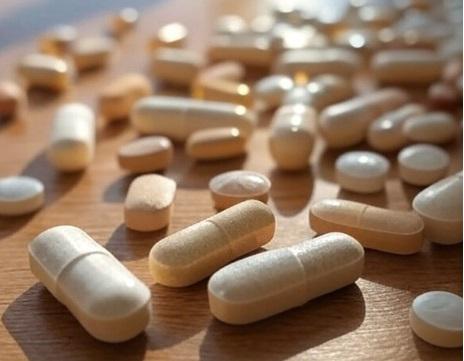
Vitamin D Supplementation Surge Raises Health Concerns,Experts Warn Against Self-Treatment
Madrid,Spain – A growing trend of self-medication with vitamin D supplements,notably in Spain,is prompting warnings from medical professionals about potential health risks,including kidney damage. Nephrologist Borja Quiroga has voiced concerns over the unsupervised intake of high doses of the vitamin, reporting cases of patients presenting with kidney stones and even renal failure linked to excessive supplementation.
“I saw people come with the kidneys full of stones,” Quiroga stated in recent interviews with La Vanguardia and El Confidencial. He emphasized that vitamin D promotes calcium absorption, which can contribute to kidney stone formation.
Experts stress that vitamin D supplementation isn’t a global health booster. According to Quiroga, the vitamin should be specifically recommended for individuals with osteoporosis or certain kidney conditions. He refuted claims that it improves cardiovascular health, reduces tumor risk, or prevents fractures in healthy individuals, adding, “Ther is no scientific justification” for routine, unprompted administration to children.
Clinical immunologist Mauro Minelli, professor of human nutrition at Lum, echoed the call for caution, highlighting the body’s natural production of vitamin D through sunlight exposure. He also pointed to dietary sources like cod liver oil, mushrooms, eggs, whole milk, salmon, herring, tuna, butter, liver, broccoli, and black cabbage as viable alternatives.
Minelli cautioned that individuals with obesity may face challenges in utilizing vitamin D effectively, as it can accumulate in adipose tissue, hindering its conversion to a biologically active form. He suggested that supplementation under medical supervision might be considered for those unable to lose weight, but stressed, “Vitamin D does not lose weight, but a slimming diet certainly contributes to canceling the risks of its possible deficiency.”
Recommended Dosages & Toxicity Levels:
The recommended daily intake of vitamin D for adults ranges from 600 to 2,000 international units (15-50 micrograms).For infants under one year old, a daily dose of 10 micrograms is suggested to prevent rickets. Normal blood levels of vitamin D are considered to be between 30 and 100 nanograms per milliliter of plasma, according to Minelli.
However, exceeding safe levels can be dangerous. As vitamin D is fat-soluble, it accumulates in tissues and isn’t easily eliminated. The Italian Society of Osteoporosis, Mineral Metabolism and Skeleton Diseases (Siomms) defines toxicity as blood concentrations exceeding 150 nanograms/milliliter. Symptoms of overdose include nausea, loss of appetite, drowsiness, diarrhea, increased urination, kidney stones, calcifications, hypertension, and potentially, renal failure.
