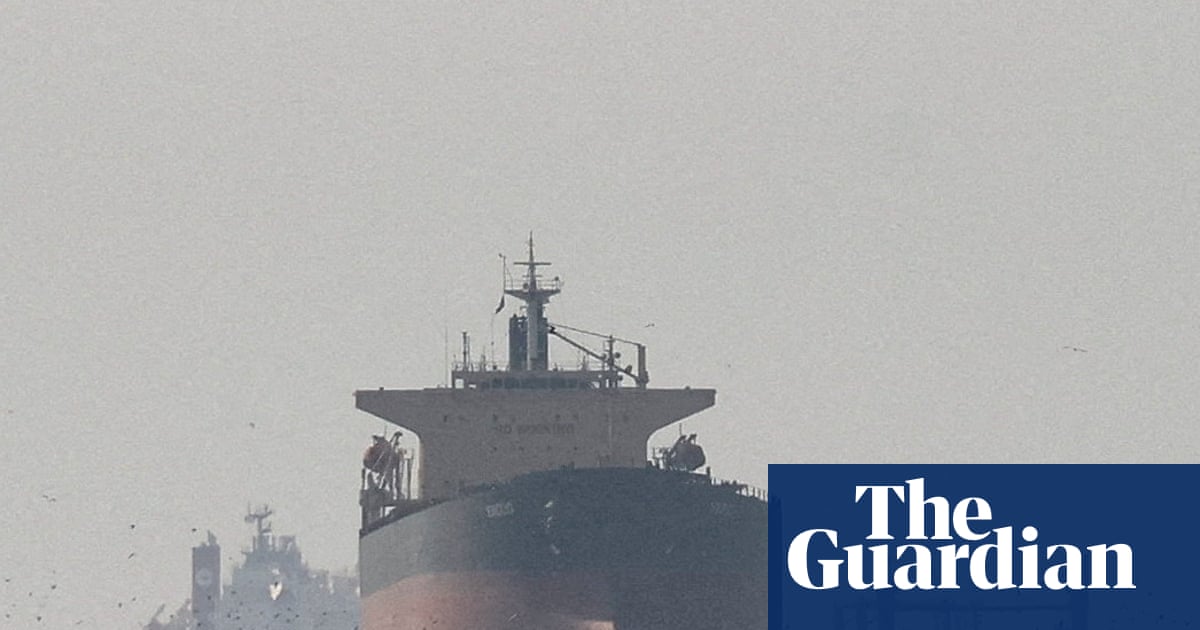
President Donald Trump on Friday night branded NATO allies “cowards” for failing to support the US-Israel war against Iran, as the United Kingdom authorised the leverage of its military bases to strike Iranian missile launchers targeting commercial shipping in the Strait of Hormuz. The move, a significant escalation of the UK’s involvement, came as concerns mount over the potential for a protracted conflict and its impact on global markets.
Trump’s criticism, delivered via his Truth Social platform, accused NATO countries of seeking to avoid involvement in the conflict while simultaneously complaining about rising oil prices. “They should have acted faster,” he said of the UK’s decision to allow US strikes from its bases, according to reports from Al Jazeera and CNN. The US President also suggested he was considering “winding down” military operations in the Middle East, stating that the US was “getting exceptionally close to meeting our objectives.”
The UK’s decision to expand the scope of US access to its bases marks a shift in policy. Previously, British facilities were used only for strikes against Iranian targets directly threatening British interests or allies in the Gulf region. Now, they will be used for the “collective self-defence of the region,” according to reports. Iran’s Foreign Minister, Abbas Araghchi, responded on social media, accusing the UK of “putting British lives at risk by allowing UK bases to be used for aggression against Iran.”
The escalating conflict has already roiled global markets, with the price of Brent crude settling at $112.19 a barrel on Friday, its highest point since the war began, according to CNN. Goldman Sachs has suggested that elevated prices could persist through 2027. The closure of the Strait of Hormuz, a vital waterway for global oil supplies, is a key driver of the price increases.
Within the UK, senior government ministers are reportedly “in despair” over the potential economic consequences of the war, with experts warning of higher energy prices and increased borrowing costs. The Treasury has established an “Iran board” to assess potential mitigation strategies, including a possible universal bailout for energy bills, though this is being considered a “last resort” if prices remain high. Contingency planning also includes considering lowering speed limits to reduce fuel consumption.
The International Energy Agency (IEA) has urged countries to take steps to reduce energy demand, suggesting measures such as promoting public transport, limiting private car use, and encouraging efficient driving habits. The IEA’s director, Fatih Birol, described the situation as “the greatest global energy security threat in history.”
Thousands of additional US Marines and sailors are being deployed to the Middle East, with the 11th Marine Expeditionary Unit and Boxer Amphibious Ready Group rerouting their deployment from the Indo-Pacific region, CNN reported. The US President has downplayed prospects of a ceasefire with Iran, asserting that the US has the upper hand in the conflict.
The UK government has not commented on Trump’s “cowards” remark. Downing Street sources indicate the economic situation is “extremely challenging,” but express hope that the government’s focus on the cost of living will resonate with the public. Whitehall officials are awaiting a clearer picture of the conflict’s trajectory within the next two weeks to determine whether further support for households will be necessary.
Leave a Reply