
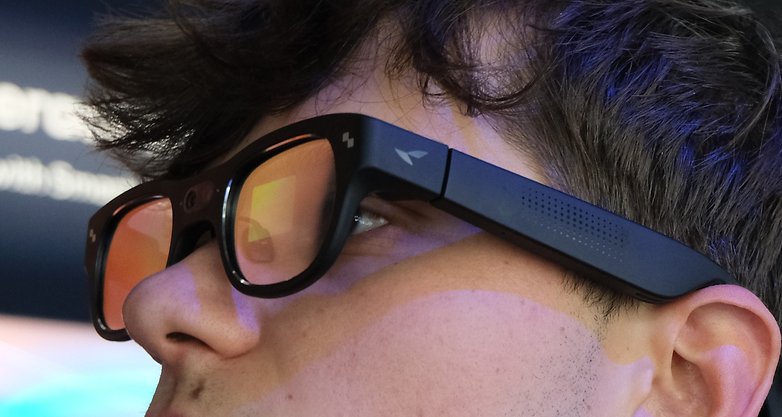
Smart Glasses Put to the Test – Ingenious Technology, Huge Issues
IFA 2025 showcased significant advancements in smart glass technology, but a critical hurdle remains: cozy and reliable fit.While devices now boast extraordinary hardware, widespread adoption hinges on resolving ergonomic challenges.The L’Atitude 52°N, available in Berlin, Milan, and Antwerp models, exemplifies this trend. These glasses cleverly integrate technology into a designer eyewear aesthetic. they feature a 12 MP camera with image stabilization, capable of recording 1080p videos up to three minutes in length, and utilize a 107° ultra-wide-angle lens for versatile photography.
Beyond imaging, the L’Atitude offers features notably appealing to travelers, including live translation in five languages and the Goya AI Tour Guide.This function identifies landmarks and provides information via voice command or a double-tap. Initial reviews noted a comfortable fit, though only prototypes were available at the trade fair, and identified issues with sizing for smaller heads. The L’Atitude is clearly targeted towards frequent travelers seeking style alongside smart functionality, representing “an exciting approach, with details that are not yet fully developed.”
Though,the overarching theme at IFA 2025 was powerful technology hampered by poor ergonomics. Devices now routinely include 12 MP cameras, AI-supported translations, AR navigation, and offer battery life ranging from four to six hours – establishing a strong foundation for augmented reality applications. Differentiation between manufacturers now centers on specialized features. Bleequp integrates a walkie-talkie function, TCL focuses on AI-powered navigation, Rokid prioritizes lightweight design with ChatGPT integration, and Unifly offers touch-dimmable lenses.
Despite these advancements, a consistent problem emerged: none of the manufacturers presented a model that comfortably fits small or average-sized heads. This is a “knock-out criterion for a consumer product,” rendering sophisticated hardware largely unusable if the glasses are uncomfortable to wear. The entire category risks remaining confined to “the early adopter niche” if this issue isn’t addressed.
While early adopters can explore options like the Bleequp Ranger and the L’Atitude 52°N, a broader market release is best left for future generations. Only when manufacturers prioritize wearing comfort, display positioning, and weight reduction will smart glasses truly realize their potential.
What are your favorite smart glasses from IFA? How do you see the problems mentioned? have you already had experience with smart glasses? We look forward to your comments!
