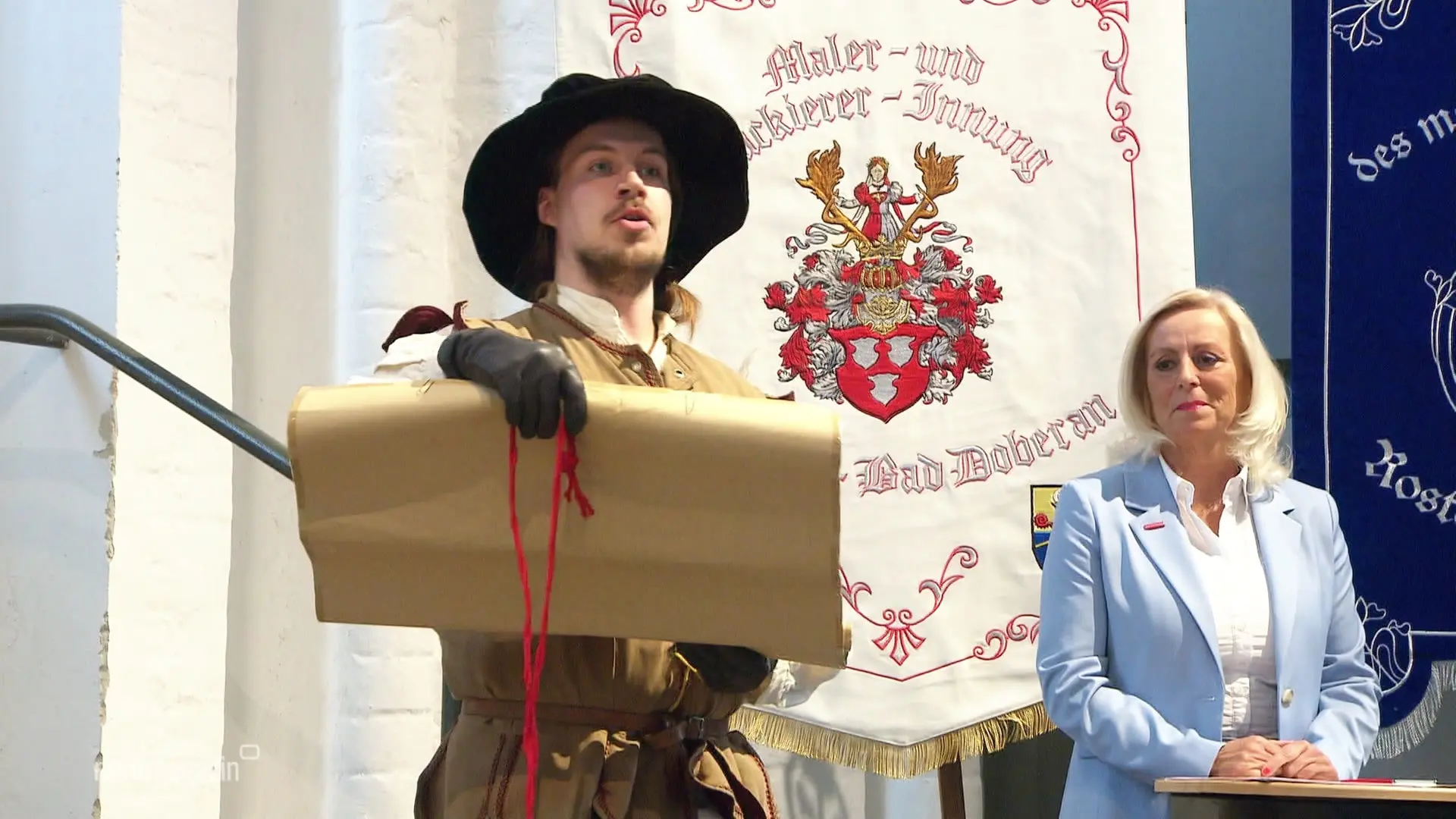
Fifty newly qualified tradespeople from twelve different crafts received their certificates in Rostock’s Nikolaikirche today, marking the completion of their apprenticeships. The ceremony underscores a continuing effort to bolster the skilled trades across Mecklenburg-Vorpommern, a region facing demographic challenges and a growing need for qualified workers.
The newly certified professionals represent a diverse range of vocational fields, encompassing twelve distinct Innungen – guilds or trade associations – according to officials. These Innungen serve as vital advocacy groups for business owners within specific trades, such as installers and bakers, operating primarily at the local or regional level. The structure, rooted in historical guilds, aims to promote the collective business interests of its members and foster a strong sense of professional community.
The event in Rostock mirrors a similar celebration held recently in Zittau, where 130 new tradespeople were honored, signaling a positive trend for the Oberlausitz region. Both ceremonies highlight the importance placed on vocational training and the retention of skilled labor within their respective regions. Employers are reportedly hoping the newly qualified workers will remain in the area, contributing to the local economy and filling critical labor gaps.
In Germany and Austria, Innungen play a crucial role in maintaining professional standards and facilitating the transfer of knowledge. They are responsible for organizing and conducting examinations for journeymen, a process overseen by the local chamber of skilled crafts. Beyond examinations, Innungen as well focus on fostering a strong sense of professional ethics, promoting collaboration between masters, journeymen, and apprentices, and providing ongoing professional development opportunities for their members.
Although membership in a German Innung is voluntary, membership in the chamber of skilled crafts is mandatory for tradespeople. Currently, approximately 7,000 different Innungen operate throughout Germany, representing a broad spectrum of trades. The organizations also act as mediators in disputes between members and their clients, and provide expert opinions on matters related to their respective crafts.
The legal structure of an Innung is that of a public law corporation. The Rostock ceremony, and others like it, represent a key moment in the career trajectory of these new tradespeople, as they transition from apprentices to fully qualified professionals ready to contribute to the German economy.
Leave a Reply