
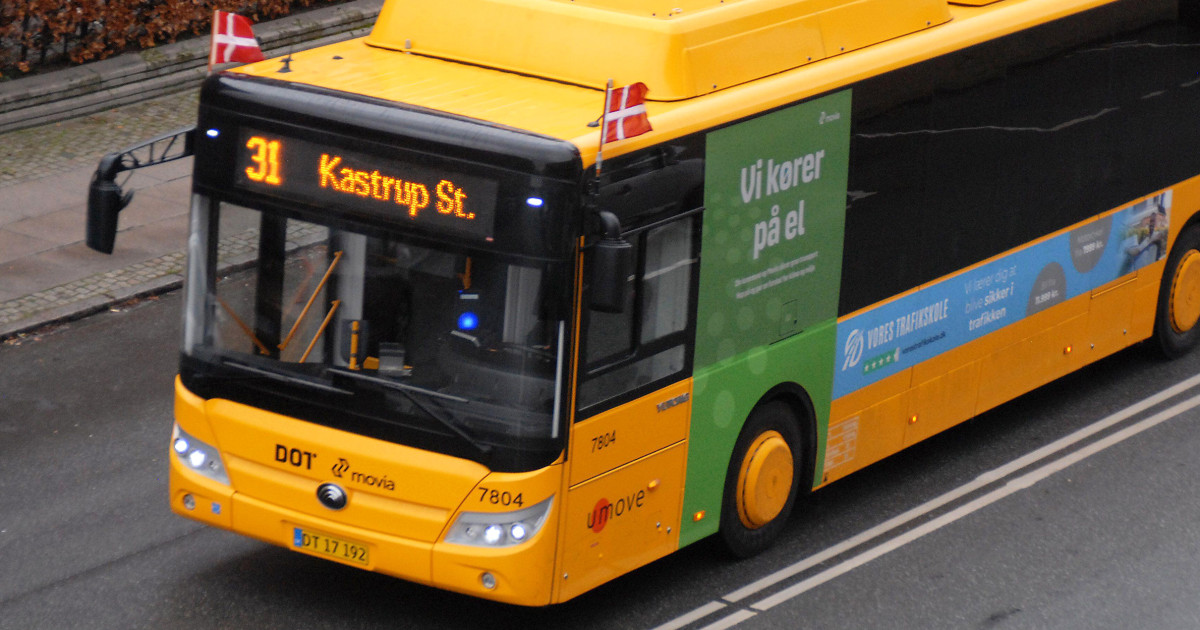
Copenhagen & Oslo – Danish and Norwegian authorities are investigating potential security vulnerabilities in electric vehicles, prompted by concerns over remote access and control. The investigations follow reports of cybersecurity issues identified in electric buses operating in Scandinavia, raising questions about the broader security of connected vehicles.
Norway’s electric bus operator, Ruter, has already implemented several fixes, including stricter controls on future bus purchases, the installation of “firewalls,” and collaboration with national and local authorities to establish clear cybersecurity requirements. These measures were taken after vulnerabilities were discovered that could perhaps allow external actors to compromise vehicle systems.
The concerns echo anxieties voiced by Western security officials regarding the potential for disruption.Richard Dearlove, former head of Britain’s MI6 intelligence agency, told NBC News earlier this year that Chinese electric vehicles, like other connected technologies, could be immobilized remotely by the manufacturer. “So if we have a crisis with China,they can bring London to a complete halt by reprogramming” these vehicles,he stated.
However, cybersecurity experts caution that the risk isn’t limited to vehicles manufactured in China. Ken Munro,founder of the British American cybersecurity consultancy Pen Test Partners,noted that any electric vehicle - including those made by tesla – and other internet-connected devices are susceptible to similar vulnerabilities. ”Any degree of connectivity and the ability to update software, which we all want as consumers,” he said, “has to be enabled.” Munro suggested the only foolproof solution would be to remove all connectivity from vehicles, a measure likely impractical for modern EV functionality.
Munro also questioned the likelihood of China exploiting such a vulnerability, stating, “Do we believe that China would destroy its entire export industry for vehicles, EVs or not, in order to prove a political and military point? It is within the bounds of plausibility,” but the chances are “incredibly small.” He concluded,”It just comes down to trust.”
The investigations come as Chinese electric vehicles gain market share in Europe, with their market share doubling to 5.1% in the first half of 2024 from the previous year, according to auto consultancy JATO Dynamics, despite being effectively blocked from sale in the U.S.China has consistently denied that its EVs or other technologies pose a security risk, with Foreign Ministry spokesman Guo Jiakun condemning U.S. efforts to block Chinese tech as “overstretching the concept of national security” in January.
