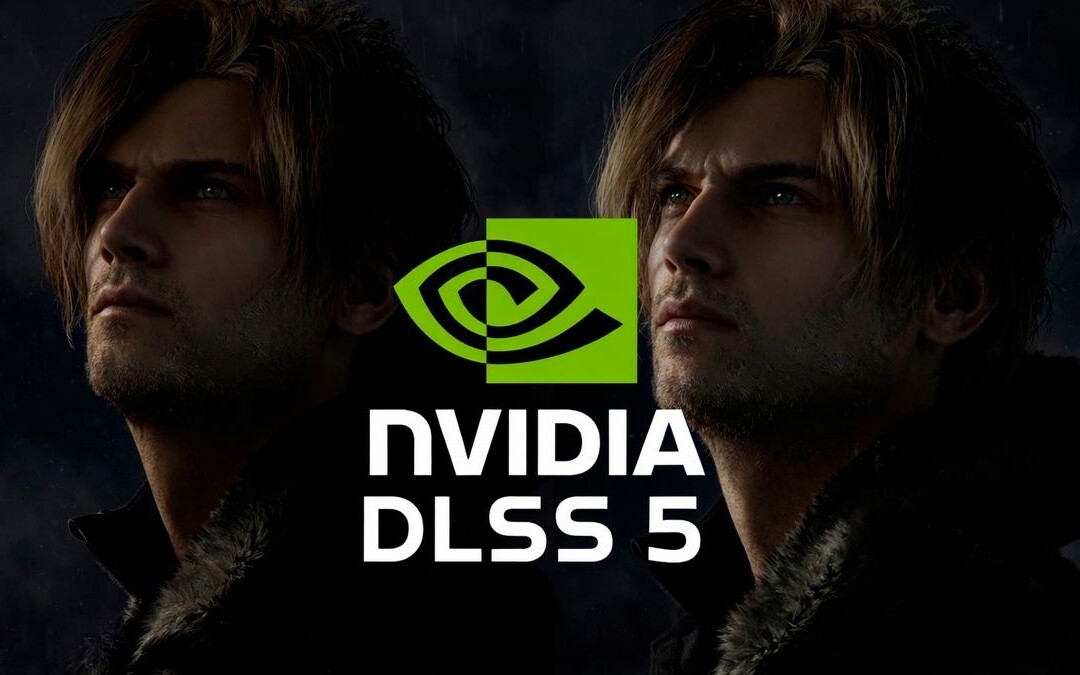
NVIDIA’s unveiling of DLSS 5 has ignited a firestorm of controversy, prompting accusations of artistic overreach and a fundamental shift in the relationship between game developers and technology providers. The technology, showcased earlier this week, utilizes generative AI to reconstruct game visuals in real-time, moving beyond simple upscaling to actively create new image data.
While NVIDIA positions DLSS 5 as a breakthrough comparable to the introduction of ray tracing, the response from the gaming community and developers has been overwhelmingly negative. The core of the criticism centers on the technology’s “rendering neuronowy” – neural rendering – which analyzes game geometry and textures to generate entirely new visuals, effectively overriding the artistic intent of the game’s creators. According to reports, the system alters character models, lighting, and environmental details, imposing a standardized aesthetic based on its AI training.
The backlash extends beyond concerns about visual fidelity. Developers are voicing fears that DLSS 5 represents an unacceptable level of interference in their creative process. One particularly stinging rebuke came from within Capcom, where employees reportedly reacted with “shock” upon discovering that Resident Evil Requiem’s visuals had been altered by the technology, as reported by sources familiar with the internal discussions. The AI’s tendency to smooth facial features and homogenize aesthetics was cited as a specific point of contention, with some fearing a loss of character identity and even unintentional alterations to skin tones.
The situation was exacerbated by NVIDIA’s handling of the announcement. Developers of showcased titles, including Assassin’s Creed: Shadows and Hogwarts Legacy, were reportedly informed of the visual changes simultaneously with the public, sparking accusations of disrespect and a lack of collaboration. Even Bethesda’s Todd Howard, present at the GTC 2026 presentation, reportedly distanced himself from the technology following the negative reaction.
The controversy has also spilled into the wider tech journalism sphere. Digital Foundry, known for its detailed hardware analysis, issued a retraction of its initial positive assessment of DLSS 5 following a barrage of criticism and threats from viewers. The retraction acknowledged the potential for the technology to undermine the artistic integrity of games.
NVIDIA’s response to the criticism has been largely dismissive, framing the backlash as a misunderstanding of the technology’s potential. Representatives have argued that DLSS 5 will unlock new levels of visual realism, but this message has failed to resonate with a community increasingly concerned about the erosion of artistic control. A single comment from the company has been issued, but it has done little to quell the rising tide of discontent.
The debate has fueled a surge of satirical content online, with gamers using AI image generators to parody DLSS 5’s effects on classic games. These images, widely circulated on social media, highlight the technology’s tendency towards homogenization and the loss of distinctive art styles. One widely shared image on X (formerly Twitter) depicts a character from a retro PlayStation game with an unnaturally smooth, almost plastic-like face, accompanied by the caption, “WHAT are we doing here???”
Some developers, like Georgian Avasilcutei, who worked on Hogwarts Legacy, have defended DLSS 5, arguing that it simply enhances existing visuals rather than creating entirely new content. Avasilcutei claims the AI improves lighting and shading, allowing for effects previously unattainable without significant performance costs. Though, this perspective has been largely drowned out by the chorus of criticism.
The long-term implications of the DLSS 5 controversy remain uncertain. The incident has raised fundamental questions about the role of AI in game development and the balance between technological innovation and artistic expression. As of today, NVIDIA has not announced any changes to its plans for DLSS 5, and the technology is still slated for release later this year with titles like Assassin’s Creed: Shadows and Starfield.
Leave a Reply