
Global News Media Leaders Urge U.S. to Reconsider Visa Proposal
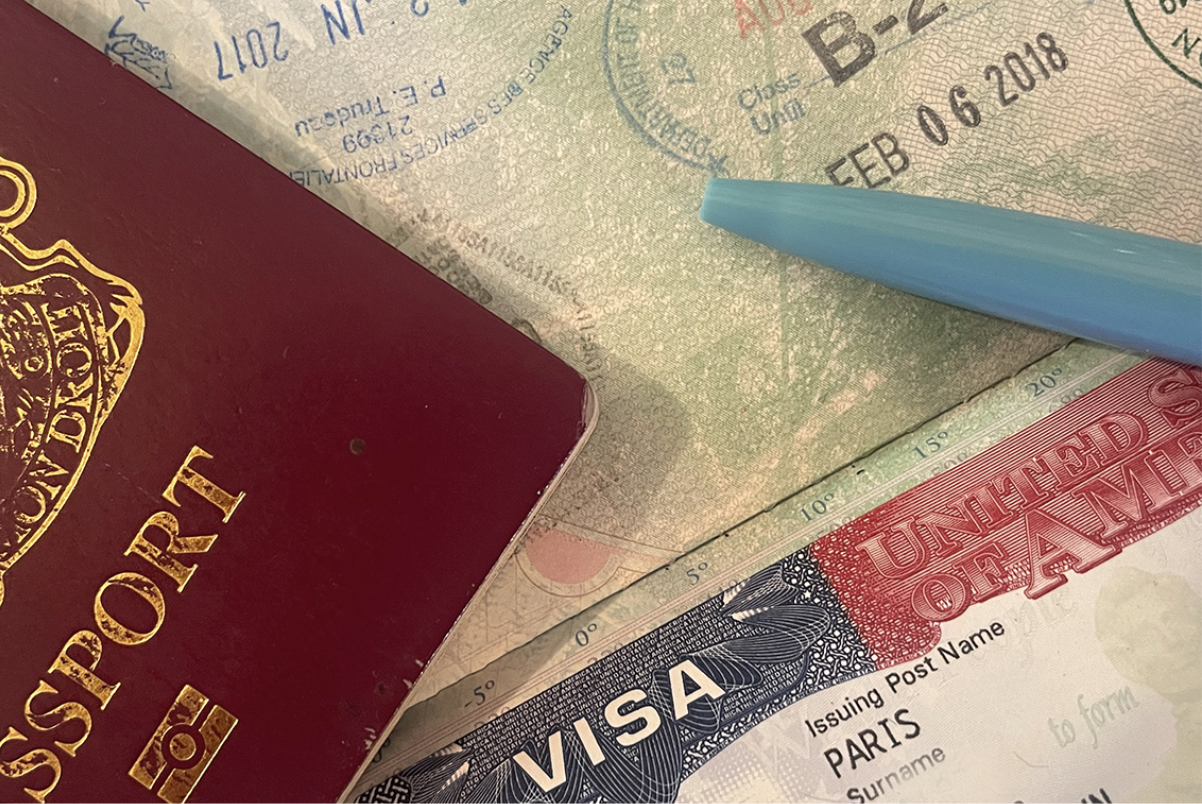
WASHINGTON D.C. - A coalition of international news media organizations is calling on the United States government to withdraw a proposed visa rule change that they say threatens the ability of foreign journalists to report freely from within the country. The concerns stem from a recent State Department proposal that would considerably alter the requirements for journalist visas, possibly leading to increased scrutiny and restrictions.
Leaders from over 119 organizations - including News Media Europe (Wout van Wijk, editor-in-chief), the North American Broadcasters Association (Rebecca Hanson, Director General), and the Public Media alliance – have voiced opposition. Concerns center on the potential for the rule to be used to limit access for journalists from nations with whom the U.S. has strained relations.
“This proposal represents a serious threat to the principles of a free press and the public’s right to no,” stated a joint statement circulated among member organizations.
Specifically, the proposed changes would tie visa validity to the length of a journalist’s employment with a specific news outlet, rather than the duration of their assignment. This could force frequent visa renewals, creating uncertainty and potential delays.
norwegian Broadcasting Corporation’s (NRK) Director General Vibeke Furst Haugen and Editor of Foreign Affairs Sigurd Falkenberg Mikkelsen, alongside Dag Idar Tryggestad, President of the Norwegian Union of Journalists, are among those expressing alarm. Similarly, Renate Eringa, General Manager of NOS (Dutch Public Broadcaster for News), and Lucien Brouwer, representing the NPO (dutch Public Broadcaster) Board of Directors, have added their voices to the growing chorus of dissent.
Martha Ramos, Chief Editorial Officer of the Mexican Editorial Association (OEM), and Don Mann, CEO of Pacific Media Network (PMN), also expressed concerns about the potential impact on their organizations’ ability to cover U.S. news. David Tamakloe, President of the Private Newspapers and Online News Publishers Association of Ghana (PRINPAG), echoed these sentiments.
Other prominent figures speaking out include Sibyle Veil, President and Director General of Radio France; Nicolau Santos, President of Portugal Radio and Television (RTP); Giampaolo Rossi, CEO of Italian RadioTelevision (Rai); Bruce D. Brown, President of the Reporters Committee for Freedom of the Press; and Thibaut Bruttin, Director General of Reporters Without Borders (RSF).
leaders from major news wire services, including Reuters and The Associated Press (Paul Haven, VP Head of Global News Gathering), have also joined the call for reconsideration. Representatives from leading newspapers such as Süddeutsche Zeitung (wolfgang Krach, CEO), The Guardian (Katharine Viner, Editor-in-Chief), The Globe and mail (Andrew saunders, CEO and President), and The Financial Times (brooke Masters, US Managing Editor) have similarly expressed their opposition.
The World Association of News Publishers (WAN-IFRA), led by President Ladina Heimgartner and CEO Vincent Peyregne, is actively lobbying against the proposed rule. The World Editors Forum, under the leadership of President David Walmsley, is also engaged in the effort.
The concerns extend to public broadcasters, with Merja Ylä-Anttila, CEO of Yleisradio Oy (Yle), and Susanne Wille, Director General of SRG SSR, voicing their opposition. Kevin Bakhurst, Director General of RTÉ, and Natalia Gorščak, President of the Management Board of RTV Slovenia, have also registered their concerns.
The proposed changes come at a time of increasing global scrutiny of press freedom, and critics argue that the U.S. should be strengthening, not restricting, access for international journalists. The coalition is urging the State Department to engage in a dialog with media organizations to address their concerns before finalizing the rule.
