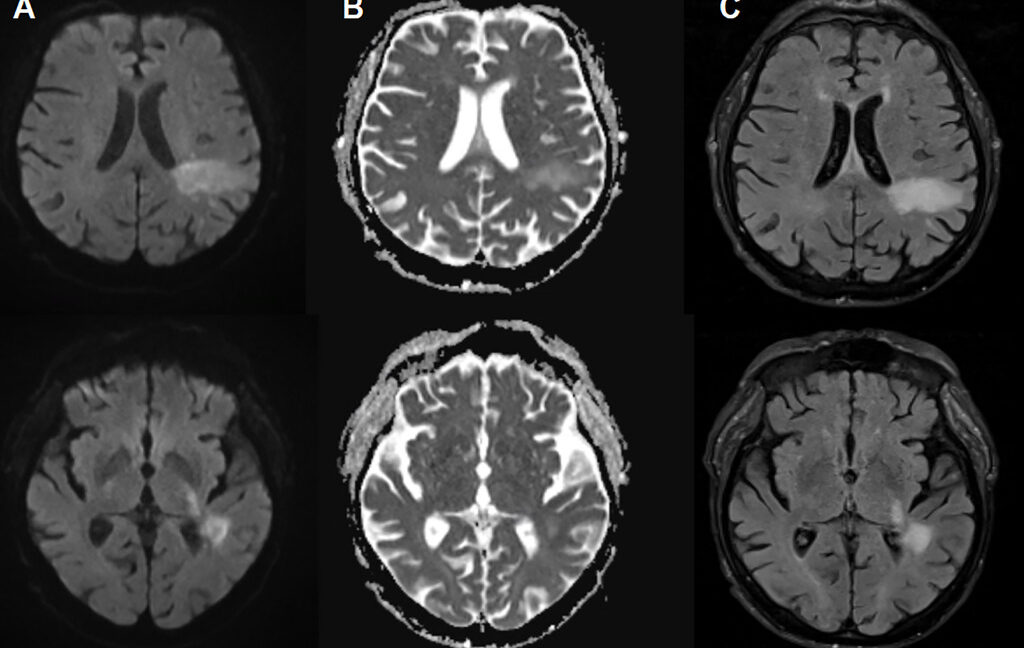
A common virus, present in an estimated 50 to 90 percent of the adult population, can reactivate to destroy brain cells, researchers reported this week. The virus, known as human polyomavirus 2, or the JC virus, typically remains dormant for life, but can cause a devastating and often fatal disease called progressive multifocal leukoencephalopathy (PML).
First identified in 1971 and named after the patient from whom it was initially isolated, John Cunningham, the JC virus spreads through the fecal-oral route and is found in the urine and stool of those infected. Initial infection, thought to occur early in life, is asymptomatic, with the virus quietly establishing a lifelong presence in the body, often in the tonsils or gastrointestinal tract.
While the vast majority of individuals remain unaware they carry the virus, a subset experience reactivation, leading to PML. This occurs when the JC virus undergoes genetic changes and begins to actively invade the brain, targeting and destroying oligodendrocytes – the cells responsible for producing the myelin sheath that protects nerve cells. The resulting demyelination disrupts nerve function and can lead to a range of debilitating neurological symptoms, including speech impairments, visual defects, motor dysfunction, and seizures.
PML was initially observed in immunocompromised patients in 1958, and became particularly prevalent among individuals with HIV/AIDS in the 1980s, even becoming an AIDS-defining illness affecting 2 to 5 percent of those infected. Prior to the advent of highly active antiretroviral therapy (HAART) in 1996, PML was uniformly fatal. The introduction of HAART significantly reduced the incidence of PML, though lasting damage remains common among survivors.
Recent research suggests a potential increase in the number of adults at risk of JC virus activation, affecting up to 10 percent of the global adult population. A study published this year indicated a significant association between polyomavirus infection and brain tumors, with a particularly strong link between JC virus infection and the development of brain cancer. The prevalence of polyomaviruses among brain cancer patients was 13 percent, with JCV accounting for 20 percent of cases.
Diagnosis of PML relies on identifying characteristic lesions in the brain through imaging, coupled with the detection of JC virus DNA in cerebrospinal fluid. Researchers are currently investigating the mechanisms by which the virus invades the brain and infects glial cells, focusing on the role of specific virus receptors. The virus is also harbored asymptomatically in the urogenital system.
Leave a Reply