
Spanish Satire Faces Court, Millions of Viewers
Madrid - Spain’s satirical media landscape is thriving, albeit often in the shadow of legal challenges. From magazines pushing boundaries of taste to a wildly popular Catalan TV show reclaiming a slur, Spanish humorists are tackling current affairs wiht a fearless-and frequently controversial-edge.
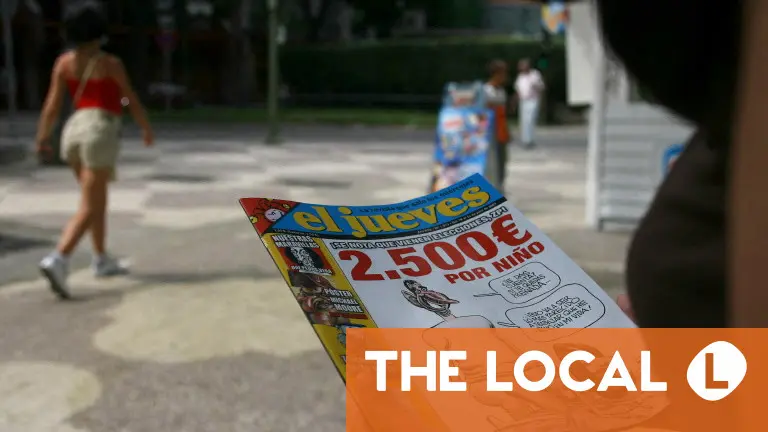
For decades, El Jueves (“Thursday”) has been a mainstay of Spanish satire. Ironically named after the day of the week, the monthly magazine has earned a reputation as “the most feared” for its often-graphic and extreme humor, drawing comparisons to Charlie Hebdo. this has led to numerous court appearances, including cases stemming from caricatures depicting then-Prince Felipe VI and his wife Letizia in a compromising position, and police officers allegedly using cocaine.
Founded in 2012, Mongolia offers a more recent take on Spanish satire, influenced by the comedic style of Monty Python. while primarily satirical, the magazine also incorporates hard news coverage, utilizing a visually distinct style of pop art and collage. Mongolia has also faced legal scrutiny,most recently in October 2025 when a judge dismissed a lawsuit filed by the ultra-Catholic group Hazte Oír over a depiction of baby jesus as excrement.
In Catalonia, the comedy TV show Polonia draws over a million viewers with its parodies of politicians and celebrities. Uniquely, the show’s name is a intentional reclamation of the Spanish slur “polaco” (meaning Polish or Pole) historically used to insult Catalans. Sketches featuring Spanish figures are performed in Spanish, while the majority of content is in Catalan.
