
Newly Processed Images Reveal Stunning Details from Gemini Missions, 60 Years Later
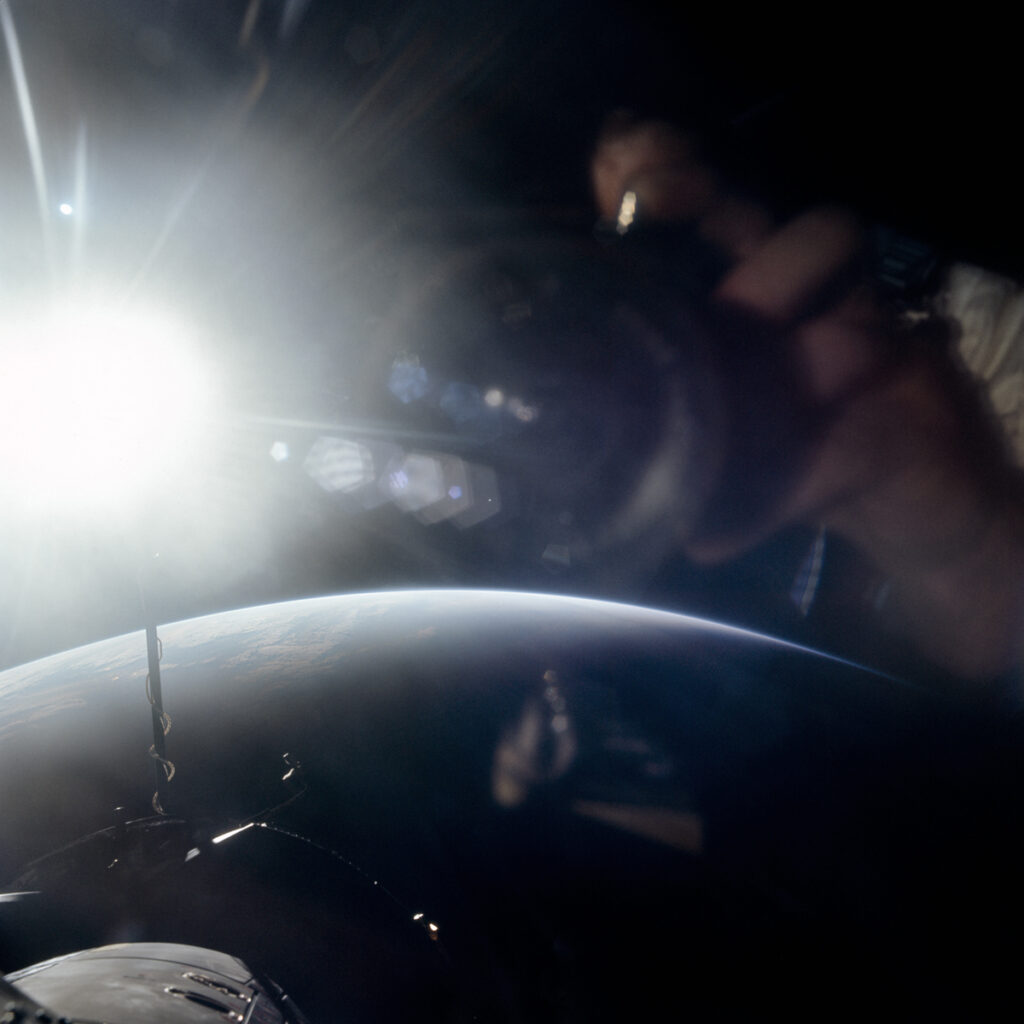
Sixty years after the Gemini program concluded, newly processed images are revealing unprecedented detail of NASAS pivotal missions, offering a fresh perspective on a crucial era of space exploration. Photographer Andy Saunders meticulously reviewed and digitally restored over 5,000 frames of 16mm film from the Mercury and Gemini programs, uncovering clarity and nuance previously hidden within the original footage. The resulting collection, showcased in his latest book, provides a remarkable look at the astronauts, spacecraft, and the challenges of early human spaceflight.
The Gemini program (1965-1966) served as a vital bridge between the single-person Mercury capsules and the enterprising Apollo missions to the Moon. Thes two-person flights tested technologies and techniques essential for lunar travel – including spacewalks, orbital maneuvering, and long-duration flight – and the enhanced images offer a unique window into the risks and triumphs of these pioneering endeavors. Saunders’ work isn’t simply aesthetic; it’s a preservation of history, pulling details from underexposed film that were previously invisible.
Saunders’ process involved reviewing every frame of film captured from launch to splashdown on each Gemini mission. Initially reducing a pool of 5,000 images to around 800 through a fast edit, he then undertook a more detailed assessment. “With digital processing, like I did with the cover of the Apollo book, we can pull out stuff that you actually can’t see in the raw file,” Saunders explained. “So it’s always worth taking a look.” Even moments captured in less-than-ideal photographic conditions were preserved if they documented critically important events.
the restored images depict everything from the tense moments before launch – like Alan shepard awaiting liftoff atop his Mercury-Redstone rocket on May 5, 1961 – to the intricacies of spacecraft systems and the astronauts’ experiences in the harsh surroundings of space. NASA originally captured approximately 35,000 photographs during the Apollo program, adding to the extensive archive Saunders navigated to bring these historical moments to life with newfound clarity.
