
Dinosaur Fossils Reveal Preserved Blood Molecules After 66 Million Years
RALEIGH, N.C. – In a groundbreaking discovery challenging conventional understanding of fossilization, researchers have identified preserved blood molecules – specifically heme, a component of hemoglobin – within 66-million-year-old Tyrannosaurus rex fossils. The findings, published in the Proceedings of the Royal Society A Mathematical Physical and Engineering Sciences, suggest original biochemistry can endure for vast stretches of geological time and opens new avenues for understanding dinosaur physiology.
For decades, paleontology operated under the assumption that soft tissues and biomolecules rarely survive the fossilization process. This new study reinforces a shift in that thinking, demonstrating that under specific conditions, original biochemical components can persist. Researchers are now focused on identifying the degradation pathways, mineral interactions, and microenvironments that contribute to this preservation.
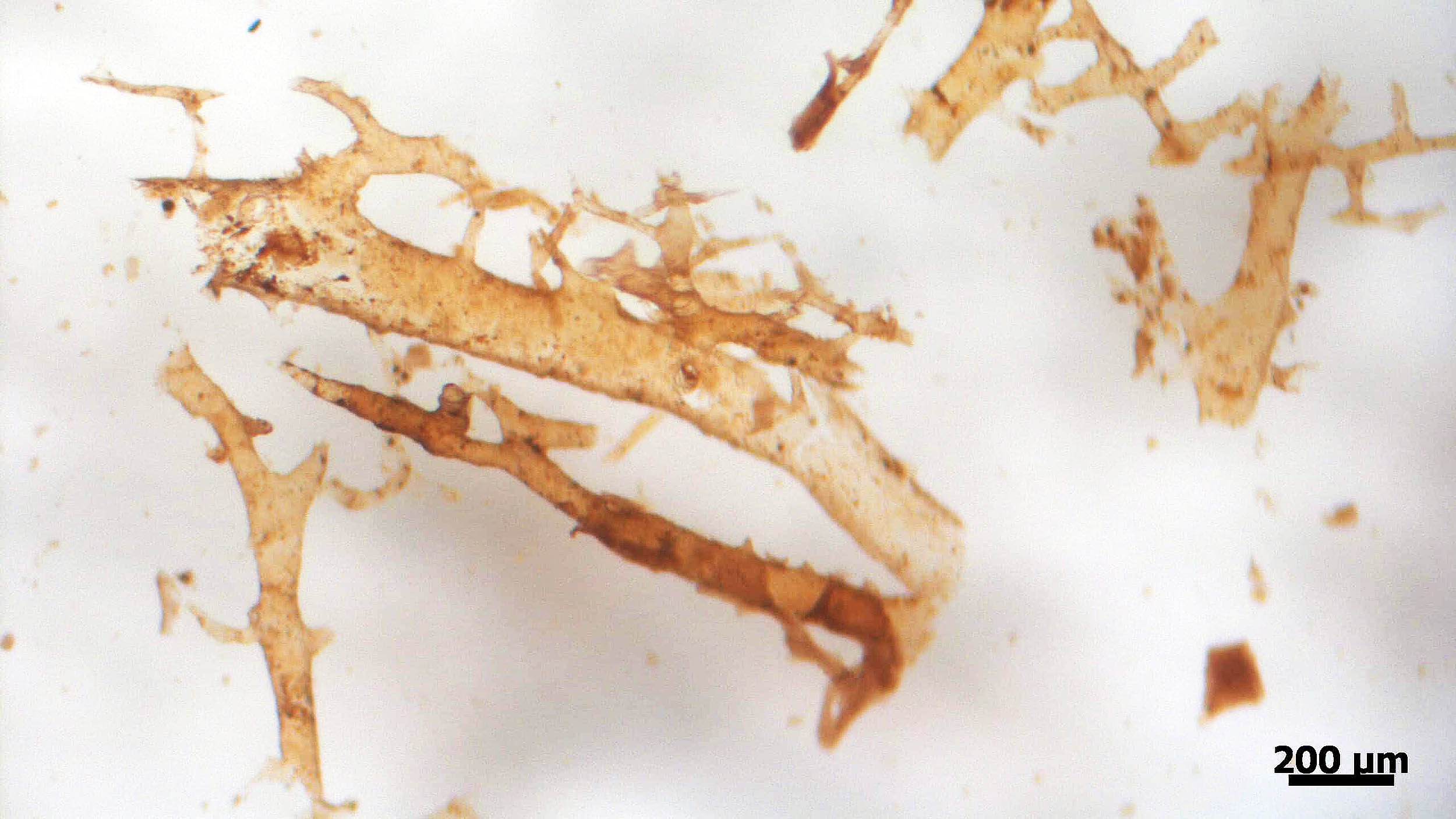
The research team, led by Mary Schweitzer, focused on vessels isolated from Tyrannosaurus cortical bone. They utilized Resonance Raman spectroscopy, a technique that pinpoints specific molecules within complex samples, to identify heme.
“Heme has been identified in sediments that are much, much older than dinosaurs, so we know that it persists,” Schweitzer noted. “Understanding why hemoglobin preserves, and the role that heme plays in the process, is really crucial if we want to know how thes ancient molecules survive through time.”
The presence of hemoglobin and its degradation products is significant as these molecules play crucial roles in metabolism, oxygen transport, and overall dinosaur physiology. Mineral-organic interactions, such as heme binding with goethite, might potentially be key to long-term preservation of blood proteins and molecular fragments.
This discovery provides a “preservation roadmap,” allowing scientists to better interpret data extracted from ancient fossils and possibly unlock further secrets about the biology of extinct creatures.
