Jill Ellis has been appointed as FIFA’s Chief Football Officer, a move the organization hopes will accelerate the growth of female representation in coaching positions worldwide. The announcement, made on Thursday, comes as FIFA seeks to address the stark imbalance in coaching roles, particularly in the women’s game.
At the 2023 Women’s World Cup, just 12 of the 32 head coaches were women. This disparity prompted Ellis to state that “You’ll see simply not enough women in coaching today,” and to emphasize the need for “clearer pathways, expanding opportunities, and increasing the visibility for women on our sidelines.” Ellis believes the newly implemented FIFA regulations, coupled with targeted development programs, represent a significant investment in both current and future generations of female coaches.
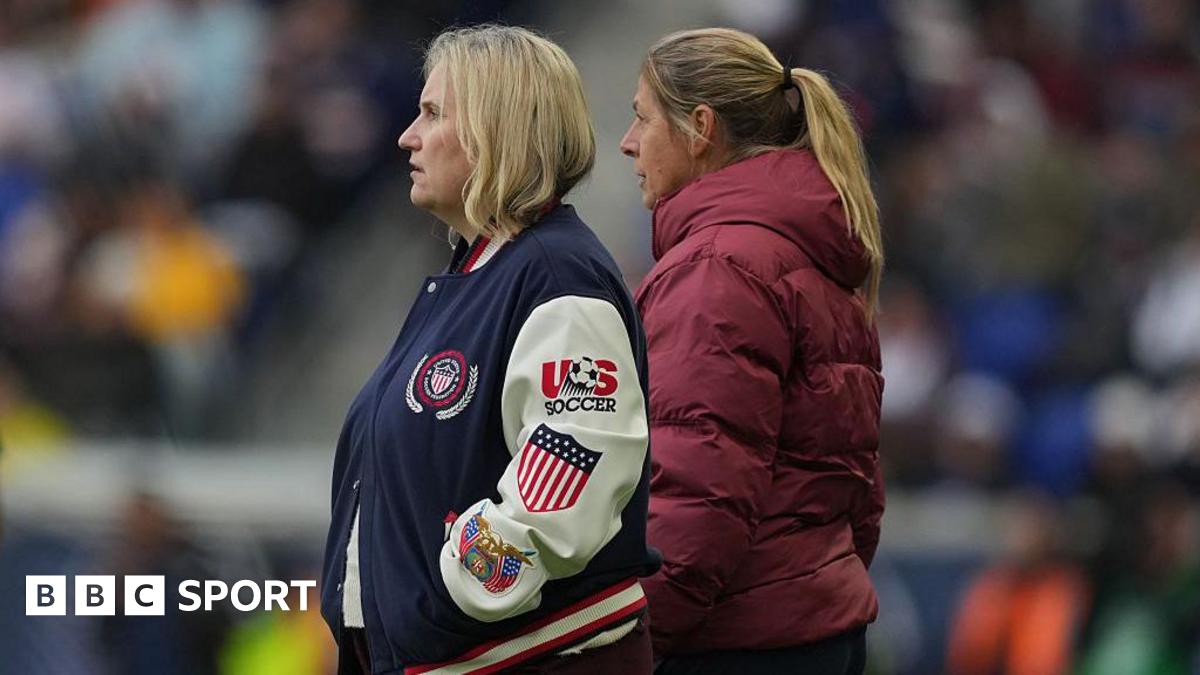
FIFA is aiming for a substantial increase in female representation, with a particular focus on the 2027 Women’s World Cup, which will be held in Brazil. The organization’s efforts come as high-profile female coaches continue to build inroads in the sport. Emma Hayes, recently appointed as the head coach of the United States Women’s National Team alongside assistant Denise Reddy, is a prominent example.
The issue of limited opportunities for female coaches extends beyond the international stage. In 2024, Hayes, while managing Chelsea, described the lack of female coaches in English football as “a massive issue,” urging administrators to explore “more creative ways” to address the problem. Several other English coaches are currently leading national teams, including Gemma Grainger (Norway), Casey Stoney (Canada), and Carla Ward (Republic of Ireland).
Sarina Wiegman, the manager of the England Women’s National Team, stands out as a particularly successful figure. She has guided England to consecutive European titles and has been recognized as the FIFA Best Women’s Coach of the Year four times. Wiegman was the sole female coach to reach the quarter-final stage of the 2023 Women’s World Cup, and has consistently advocated for greater inclusivity in the sport. “Of course what we hope is to get more female coaches at the top level and that the balance gets better than it is right now,” Wiegman said at the time. “Males are welcome too but if the balance is better than hopefully that will inspire more women to get involved in coaching.”
The appointment of Ellis and the implementation of new regulations signal FIFA’s commitment to addressing the imbalance. However, the organization has not yet detailed specific metrics or timelines for measuring progress beyond the 2027 World Cup.
Leave a Reply