
Iran Faces Imminent Crisis as Water Shortages and Blackouts Escalate
Iran is grappling with a deepening crisis fueled by severe water shortages and widespread power outages, threatening daily life, the economy, and potentially, the nation’s political stability.
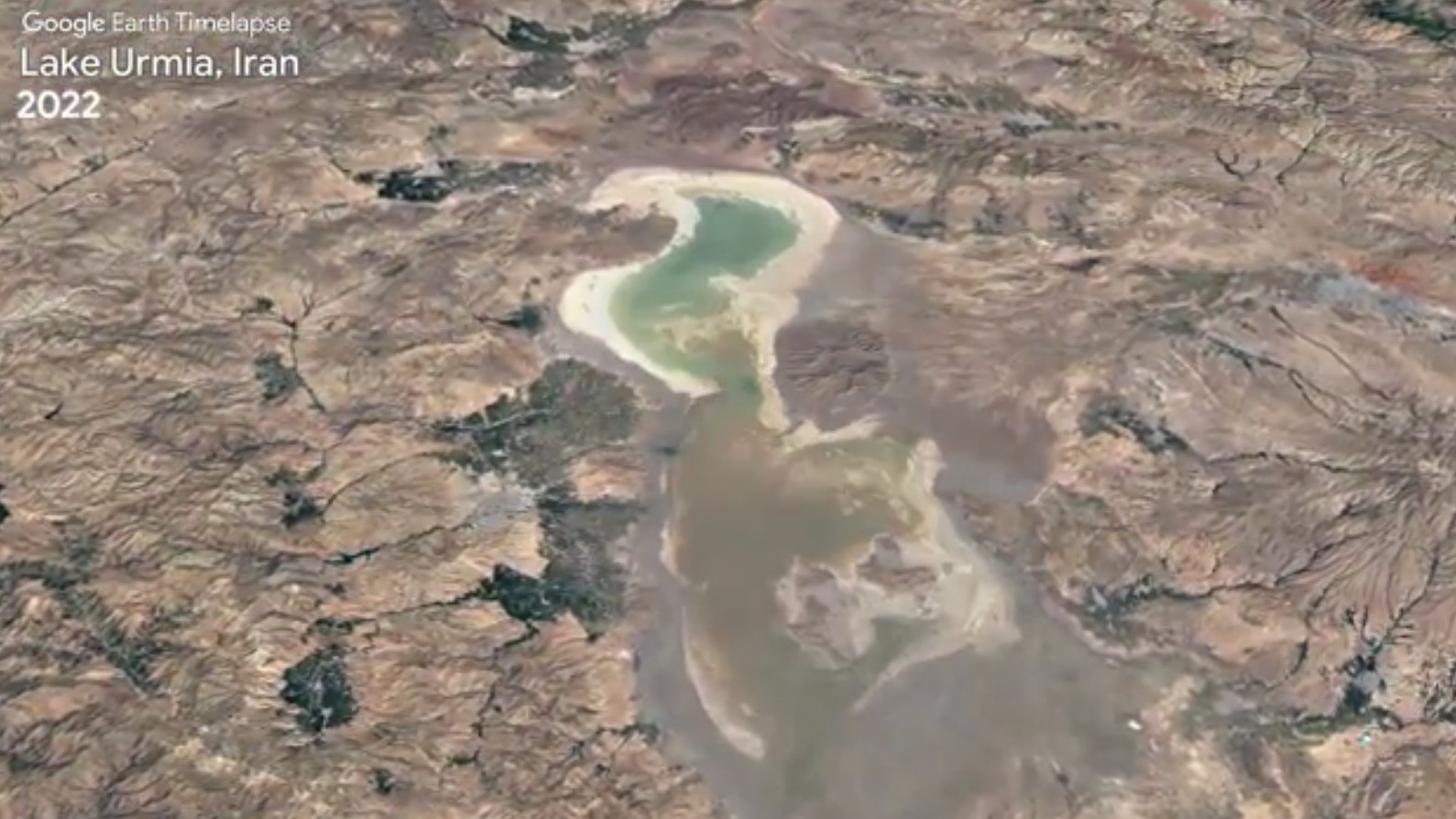
A critical concern is the fate of Lake Urmia, the world’s second-largest saltwater lake. Officials warn it could completely dry up by the end of this summer.Satellite imagery reveals a dramatic shrinking of the lake since 2000,once the largest lake in the Middle East.
Janatan Sayeh of the Foundation for Defense of Democracies attributes the crisis to a combination of factors, including a five-year drought, power shortages, and what many Iranians perceive as mismanagement of water resources. “Iran is currently becoming increasingly uninhabitable, in part because of climate change,” Sayeh told CBN News. “But the main culprit, at least how the Iranian people see it, is the regime’s mismanagement.These mega-projects, created by the government, continue to worsen the situation for everyday Iranians.”
The impact is being felt across all sectors of the Iranian economy.Industries are being forced to shut down, schools are experiencing power disruptions, and millions of citizens are struggling as the government implements energy and water restrictions.
Residents of Tehran and other cities are already facing rolling two-hour blackouts every other day, with experts predicting these could soon double to four hours. Ramin, a shopkeeper in Tehran, described the uncertainty, stating, “One day we get a text message telling us the power will be out from this time to that time. But sometimes when they announce a certain hour, the outage doesn’t happen exactly then.”
Sayeh emphasized the interconnectedness of the issues. “The issue started with water, and then it led to power outages. Many industrial cities are shutting down because they don’t have enough electricity or water. It’s going beyond an environmental crisis; it’s an economic crisis.”
Frustration over the situation has sparked protests in several Iranian cities,with demonstrators chanting,”water and electricity are our basic rights.”
Javad, a Tehran resident, expressed a belief that the problem is solvable with proper action. “If someone really wanted to, they could easily solve this problem, from my personal perspective.”
Sayeh added, “It’s really an attack on Iranian sense of nationalism. A once prosperous contry is now drying up, and the average Iranian, from different sectors, such as the labor class that are getting laid off because of the water and power issue, as well as the day-to-day business people are also grappling with the current circumstances.”
Reports from Iranian media indicate that three major dams have already run dry this summer, and reservoirs are currently at just 41% capacity.
President Ebrahim Raisi has warned that tehran could completely run out of water by the end of summer, stating, “If we cannot manage, and people do not cooperate in controlling consumption, there won’t be any water in dams by September or October.”
The only potential solutions lie in above-average rainfall or snowfall, or the importation of water from other countries.
