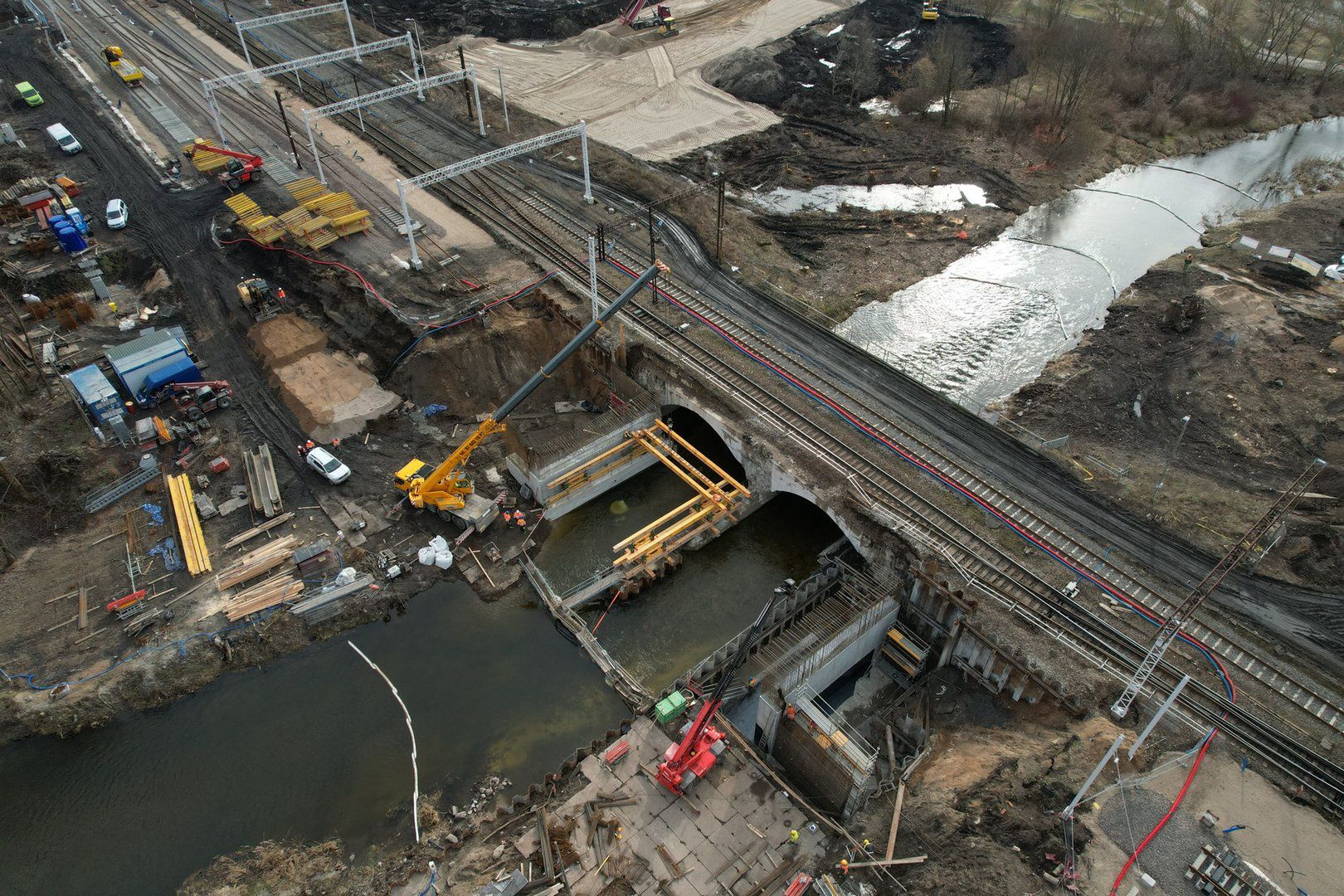
Poland’s Deputy Minister of Infrastructure, Piotr Malepszak, has stated that the Rail Baltica project is unlikely to be completed before 2040, significantly pushing back the European Union’s target completion date of 2030. Malepszak cited escalating costs and the current prioritization of defense spending as key factors contributing to the anticipated delay.
Speaking to the Financial Times on March 17, Malepszak indicated that completing the project by 2030 was “impossible,” and suggested that renovating and improving existing infrastructure would be a more efficient employ of resources. He specifically highlighted the Polish section of the railway, an 80-kilometer stretch from Ełk to the Lithuanian border, stating that construction on this segment will not begin until at least 2030. “We haven’t even left the design phase, the administrative decisions,” he said, according to a report by Polish news outlet Gazeta.pl.
The assessment contrasts with the position of Marko Kivila, chairman of the board of RB Rail, who maintains that construction plans remain aligned with the 2030 completion goal. Kivila emphasized that securing adequate financing is crucial, and any significant delays in funding allocation would necessitate schedule adjustments, as reported by BNN News.
The cost of Rail Baltica has dramatically increased since initial estimates. In 2017, the project was projected to cost €5.8 billion. However, a 2024 audit revealed a total cost of €23.8 billion – a fourfold increase, according to BNN News. Malepszak attributed this surge to optimistic initial cost planning and the complex nature of the project. He warned that even the 2040 completion date could be at risk if funding remains insufficient.
The European Commission continues to assert that 2030 remains the target completion date for Rail Baltica, including its sections within Poland. However, Malepszak argued that the current situation across the Baltic states mirrors the delays experienced in Poland. “Throughout the entire Rail Baltica project from Warsaw to Tallinn, many investments on individual component sections are very delayed and saying that they will be completed in the original deadlines in 2030, when construction on some sections has not even begun, is simply self-deception,” Malepszak stated in an interview with the Polish Press Agency (PAP), as reported by Gazeta.pl.
Rail Baltica is intended to connect Germany, Poland, Lithuania, Latvia, Estonia, and eventually Finland, integrating the region into the wider EU rail network and adhering to European standards. The project’s delays approach as Poland and other nations in the region reassess infrastructure priorities in light of geopolitical developments, with increased focus on defense capabilities.
Leave a Reply