
Promising Trial Data Suggests Potential for Remyelination Therapies in Multiple Sclerosis
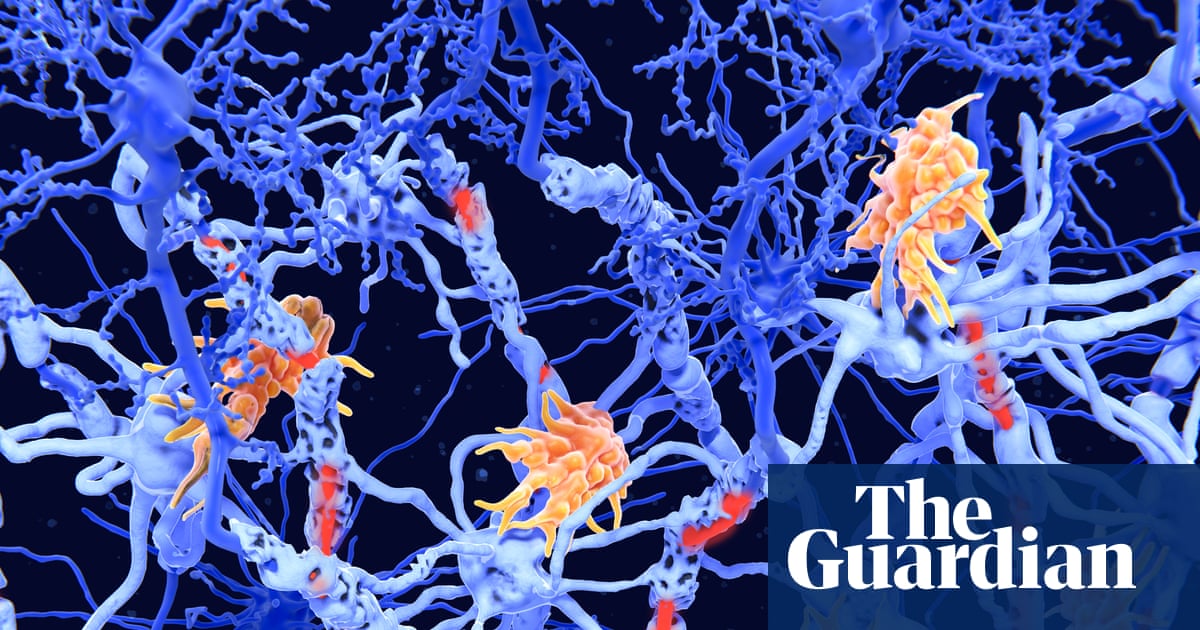
Barcelona, Spain – New clinical trial results presented Friday at the European Committee for Treatment and Research in Multiple Sclerosis (ECTRIMS) suggest a combination of existing drugs may stimulate nerve repair in patients with relapsing multiple sclerosis (MS), offering a potential new avenue for treatment. While the effects observed were modest, researchers are hailing the findings as a crucial “proof of concept” for therapies aimed at remyelination – the rebuilding of the protective coating around nerve fibers damaged in MS.
The Cambridge trial, involving 70 individuals with relapsing MS, investigated the impact of clemastine, an antihistamine previously shown to perhaps boost the body’s myelin repair mechanisms, in combination with metformin, a common diabetes drug theorized to enhance clemastine’s effect. participants were randomly assigned to receive either the drug combination or a placebo for six months.
Researchers assessed nerve function by measuring the speed of electrical signals traveling between the eyes and the brain – a metric slowed by myelin damage and inflammation. Results showed that electrical signals traveled 1.3 milliseconds faster in the group receiving clemastine and metformin compared to the placebo group.
However, this improvement in nerve conduction speed did not translate to noticeable improvements in patients’ vision or overall disability levels within the six-month study period.
“It’s smaller than we were hoping for,” acknowledged lead researcher Cunniffe, emphasizing that while the drugs demonstrated a “biological effect to promote remyelination,” patients did not report feeling better during the trial.
Despite the limited clinical impact observed over the short timeframe, experts are optimistic. Emma Gray, Director of Research at the MS Society, which funded the trial, stated, “These are really positive proof of concept results and we’d like to see them followed up. We woudl not expect them to have a clinical benefit after only six months. It will take longer for this to be seen.”
The ReBuild trial at the University of California, San Francisco, published in 2017, previously indicated that clemastine could improve nerve function, but also found the effect to be small. Further research published in 2024 in Nature suggested metformin could amplify clemastine’s remyelination potential.
Researchers caution against self-medication,noting that participants in the Cambridge trial experienced side effects such as fatigue (from clemastine) and diarrhea (from metformin). They also stressed that remyelination therapies are unlikely to restore function lost due to permanently damaged nerves.
Jonah Chan, a professor of neurology at the University of California, San Francisco, and a researcher involved in the ReBuild trial, underscored the importance of pursuing remyelination as a therapeutic strategy. “I’m more convinced than ever that remyelination is the critical path to preventing permanent disability in MS. It is also the only immediate hope for restoring function…people have to be realistic about in what contexts it can restore function,” he said.He urged continued, rigorous scientific inquiry of potential remyelination compounds.
This research builds on findings from 2007 indicating clemastine’s potential to reinvigorate myelin repair mechanisms (published in PubMed).The ongoing pursuit of remyelination therapies represents a notable shift in MS research, focusing on repairing existing damage rather than solely managing symptoms.
