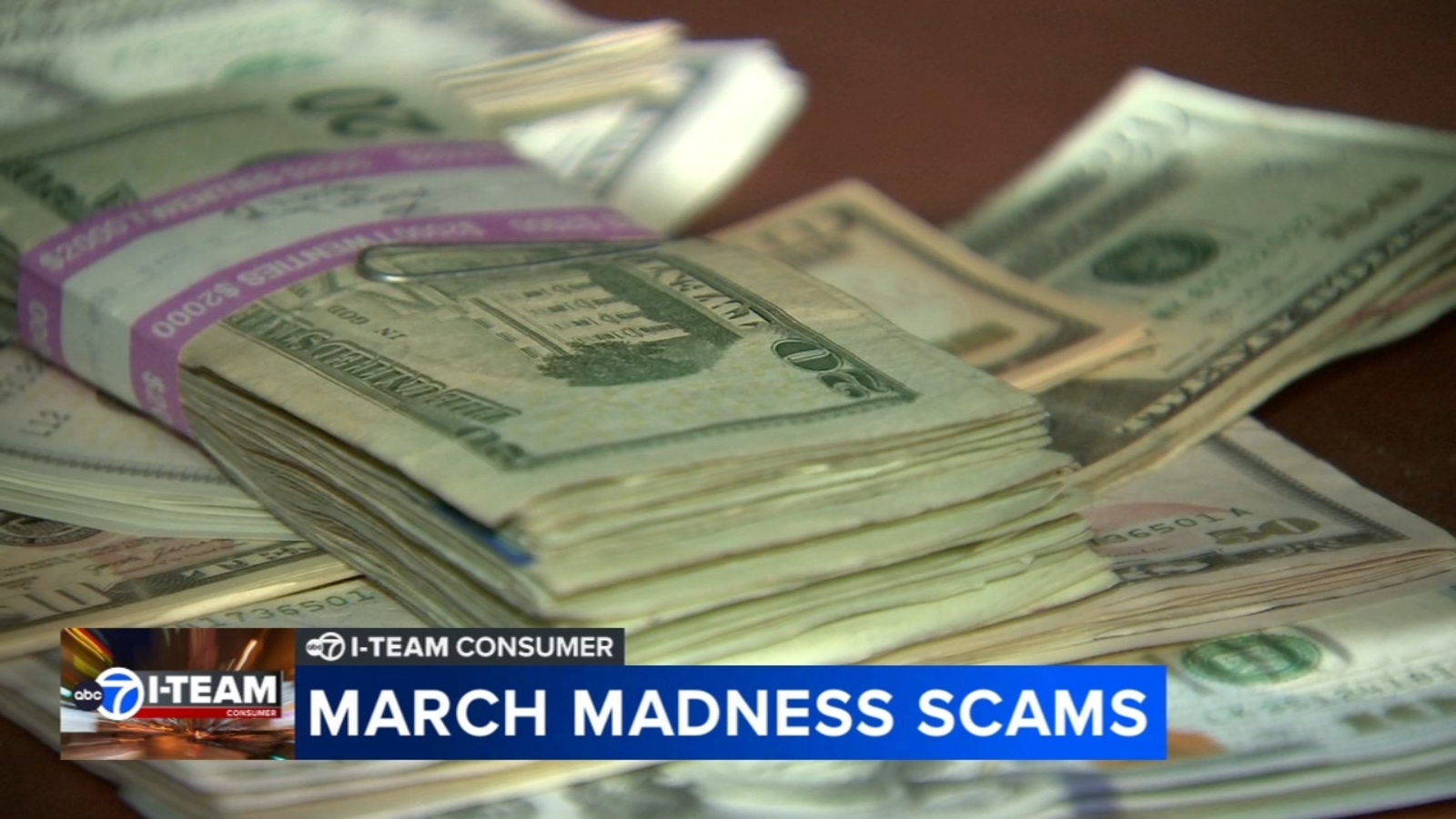
Chicago area residents eager to participate in March Madness are facing a surge in scams targeting both bettors and those seeking tickets to games, security experts warn.
The ABC7 I-Team in Chicago reported Friday that scammers are employing a variety of tactics, including the sale of fraudulent tickets and the creation of fake bracket challenges. TrustedSec, a security firm, has identified a significant increase in these schemes as the NCAA tournament heats up.
One common scam involves the sale of screenshots presented as legitimate tickets. These images, according to TrustedSec, will not scan properly at the venue’s ticket gates. Authorities advise purchasing tickets only through verified sellers and utilizing official “mobile ticket transfer” systems, which securely transfer ownership of a ticket from one account to another. Potential buyers should too be wary of deeply discounted tickets and requests for payment via wire transfer.
Beyond ticket fraud, scammers are also capitalizing on the popularity of bracket challenges. Alex Hamerstone of TrustedSec explained that many fake bracket contests are designed to steal personal and financial information. “You may get an email or some kind of contact on social media asking you to join a bracket; it may look like a legitimate site what we are all used to, but it’s actually a fake site,” Hamerstone said. “So, they are trying get you to offer your information and payment card data.” He also warned that some fraudulent brackets may simply never pay out prizes, leaving participants with a financial loss.
The warning extends to other forms of online deception, including scam sports handicappers, fake sports betting sites and apps, and malicious notifications impersonating legitimate sports betting platforms. These notifications often attempt to trick users into revealing sensitive information or making fraudulent transactions, with common lures including fake signup notifications, billing alerts, and bonus offers.
Security experts also caution against clicking on unofficial streaming links, which can expose users to malware and compromise their personal data. Account hijacking, particularly targeting inactive or “zombie” accounts, is another growing threat, as hackers attempt to access linked financial accounts and personal information. Identity theft is also being used to place bets on platforms using stolen credentials.
Leave a Reply