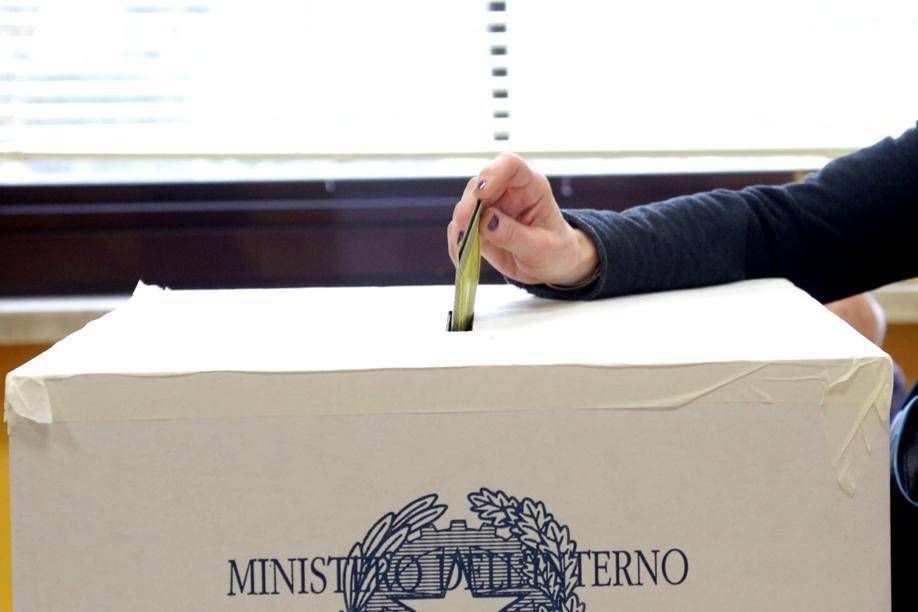
ROME – As Italy prepares for a nationwide referendum on proposed justice reforms this Sunday and Monday, the political debate has extended into the realm of popular music, with competing songs becoming unofficial anthems for opposing sides. Fratelli d’Italia (Brothers of Italy), the leading political party, has adopted Sal Da Vinci’s “Per sempre sì” (“Forever Yes”) as a recurring musical interlude at campaign rallies, most recently at a gathering in Milan, according to multiple reports.
The use of Da Vinci’s song has drawn a parallel to a similar phenomenon in 1974, when the broadcast of the Eurovision Song Contest was delayed until after a referendum on divorce, to avoid potentially influencing voters, as reported by Adnkronos. The decision by RAI, Italy’s public broadcaster, at that time underscored the sensitivity surrounding the intersection of popular culture and political campaigns.
Meanwhile, opponents of the reforms have embraced Vasco Rossi’s decades-old hit, “C’è chi dice no” (“Some Say No”), playing a reworked version at a recent rally in Piazza del Popolo, Rome. The appropriation of these songs highlights a broader trend of political factions attempting to align themselves with popular musical themes, even if unintentionally.
The phenomenon isn’t limited to these two tracks. Analysts note that a wide range of Italian pop songs contain lyrics that could be interpreted as supporting either side of the referendum. Laura Pausini, for example, has songs with titles and lyrics that could appeal to both Forza Italia supporters and those aligned with the broader left-leaning “campo largo” coalition. Pausini’s 2008 song “Invece no” (“Instead No”) offers a counterpoint to her more recent hit “Io sì” (“I Yes”), reflecting her own stated reluctance to publicly align with any political party, according to Adnkronos.
Gigliola Cinquetti’s “Sì” (“Yes”) is considered a less versatile choice, given its historical association with the 1974 divorce referendum. Other songs mentioned in the emerging “playlist” include Mina and Gianni Bella’s “No,” Claudio Baglioni’s “Noi no” (“We No”), and Baby K’s “Come no” (“Like No”), each offering potential soundbites for campaign events. More recent tracks, such as Frah Quintale’s “Sì, ah” (“Yes, ah”) and Pierdavide Carone’s “Certo che sì” (“Certainly Yes”), are as well being considered for their potential appeal to younger voters.
Fratelli d’Italia’s use of “Per sempre sì” has prompted discussion about copyright and usage rights, though party officials have indicated they are compliant with SIAE regulations, the Italian society for authors and publishers, according to Fanpage.it. The song’s composer, Sal Da Vinci, has not publicly commented on the party’s use of his function.
Leave a Reply