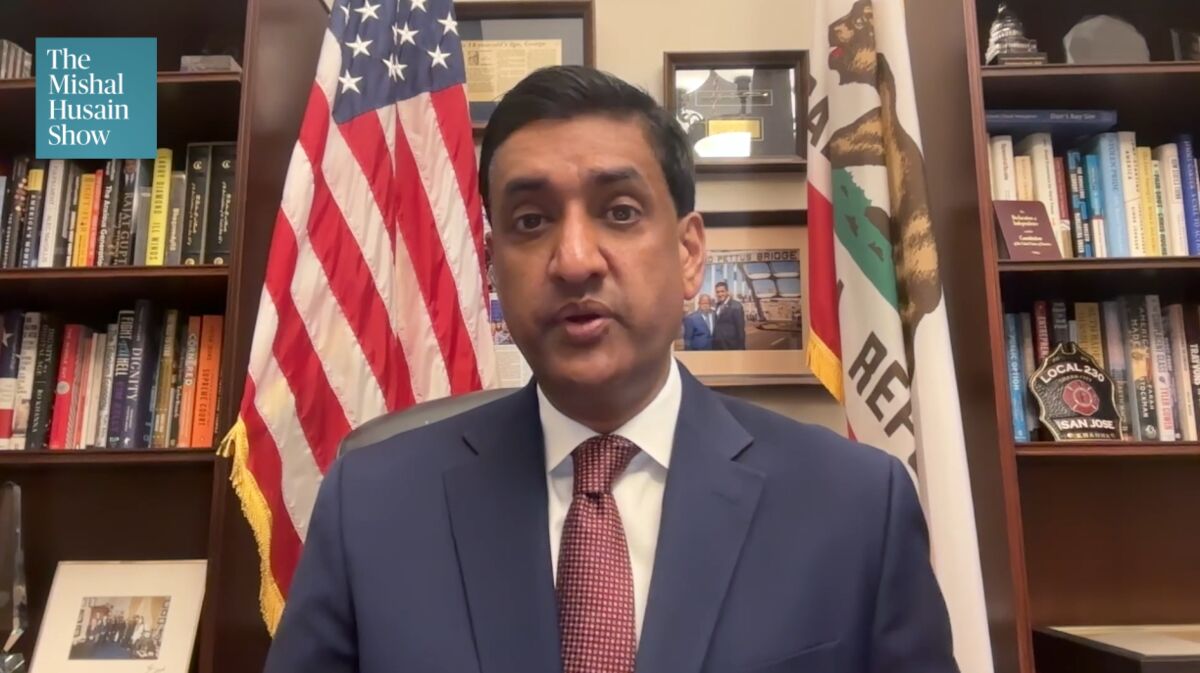
“Spending $2 billion a day in Iran is an extraordinary waste of resources,” Representative Ro Khanna stated in a recent interview, highlighting mounting criticism of the escalating costs associated with U.S. Involvement in the region. The California Democrat told Mishal Husain of Bloomberg that former President Donald Trump is facing increasing pressure, even from within his own political base, regarding the ongoing situation in Iran.
Khanna’s remarks come as the financial implications of U.S. Military presence and operations in the Middle East are drawing increased scrutiny. The representative’s assessment suggests a growing concern that the current level of expenditure is unsustainable and lacks a clear strategic justification. He further asserted that Trump “has no clear plan” for any potential operation in Iran, according to reporting from the Inquisitr.
The criticism extends beyond budgetary concerns. A recent initiative led by Senator Whitehouse and Representative Khanna aims to address the impact of rising gas prices, which they attribute, in part, to the escalating tensions and military activity linked to the Trump administration’s policies. The proposal seeks to claw back profits from major oil companies, redirecting those funds to provide relief to consumers at the pump, as detailed by the Senate Committee on Environment and Public Works.
Khanna, identified as an “anti-war Democrat” by Bloomberg, is reportedly attempting to appeal to voters traditionally aligned with the “MAGA” movement, suggesting a potential shift in the political landscape surrounding foreign policy. This outreach underscores a broader debate about the prioritization of domestic needs versus overseas military engagements.
The focus on financial costs and strategic planning coincides with a period of heightened geopolitical instability. The representative’s comments reflect a growing demand for accountability and transparency regarding the allocation of resources in the Middle East, and a reevaluation of the long-term objectives of U.S. Policy in the region.
Leave a Reply