The International Energy Agency (IEA) has called on its member countries to implement a series of emergency measures to curb oil demand, including reducing highway speed limits and encouraging work-from-home policies, following the most significant disruption to global oil supplies in history. The measures, announced Friday, come in response to the ongoing conflict in the Middle East, which has severely restricted the flow of oil through the Strait of Hormuz.
The IEA’s recommendations, issued to nations including Australia, the UK, and the US, aim to mitigate the impact of sharply rising oil prices and potential fuel shortages. According to the IEA’s Oil Market Report released March 12, 2026, global oil supply is projected to plunge by 8 million barrels per day in March, with curtailments in the Middle East only partially offset by increased production elsewhere. The report detailed that crude and oil product flows through the Strait of Hormuz have fallen to less than 10% of pre-conflict levels.
“Demand restraint is one of the emergency response measures that all IEA member countries are required to have ready as a contingency,” the agency stated, “and that they can leverage to contribute to an IEA collective action in the event of an emergency like this current disruption.”
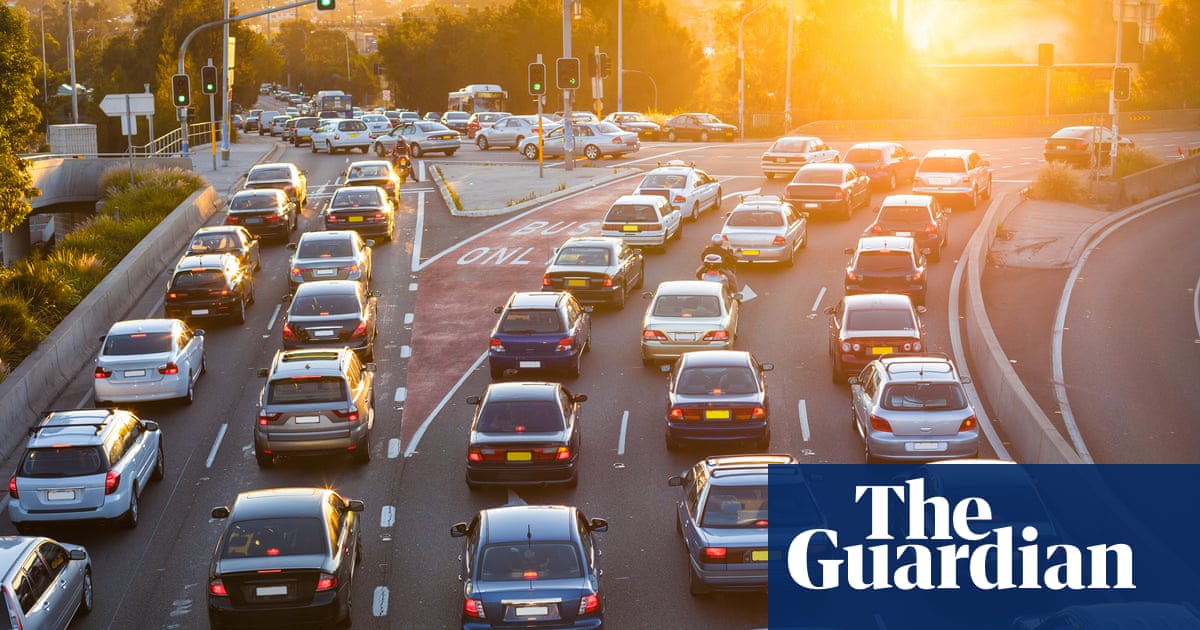
The proposed measures encompass a range of actions focused primarily on reducing road transport fuel consumption. These include lowering highway speed limits by at least 10 kilometers per hour, promoting public transportation, and implementing number-plate rotation schemes in large cities to limit car access. Other recommendations involve encouraging car sharing, optimizing commercial vehicle efficiency, diverting LPG use from transport to essential needs like cooking, and reducing air travel. The IEA also suggested promoting electric cooking to lessen reliance on LPG and assisting industrial facilities in switching petrochemical feedstocks to free up LPG supplies.
The IEA’s actions follow an extraordinary meeting of member governments on March 10, 2026, convened by Executive Director Fatih Birol to assess market conditions and consider options to address supply disruptions. On March 11, 2026, IEA member countries unanimously agreed to release 400 million barrels of oil from their emergency reserves – the largest such release in the agency’s history – in an attempt to stabilize the market. The IEA noted that this is the sixth coordinated stock release since its creation in 1974, with previous actions taken in 1991, 2005, 2011, and twice in 2022.
The conflict, which began on February 28, 2026, has had a dramatic impact on global oil markets. According to the IEA, the disruption represents the largest supply disruption in the history of the global oil market. Fortune reported that prior to the conflict, approximately 20 million barrels of petroleum traversed the Strait of Hormuz daily, but that figure has now dwindled to a “trickle.”
Australia’s initial response has centered on supply-side measures, including relaxing fuel standards and investigating potential anti-competitive behavior by fuel retailers. State governments have so far refrained from public discussion of contingency plans such as fuel rationing.
IEA Executive Director Fatih Birol cautioned that without a swift resolution to the conflict, “the impacts on energy markets and economies are set to become more and more severe.” He emphasized that the recommended demand-side measures offer a “menu of immediate and concrete measures that can be taken by governments, businesses and households to shelter consumers from the impacts of this crisis.”
The IEA has not indicated when it will consider further releases from emergency reserves, stating that it will seize time for markets to recover from the ongoing crisis in the Strait of Hormuz. Several countries are already implementing measures to reduce oil demand, including Austria and Greece, which are capping profit margins at fuel retailers, and the UK, which is providing financial assistance to vulnerable households to help cover heating oil costs. Some governments have also restricted travel for public officials and launched campaigns to encourage energy conservation.
Leave a Reply