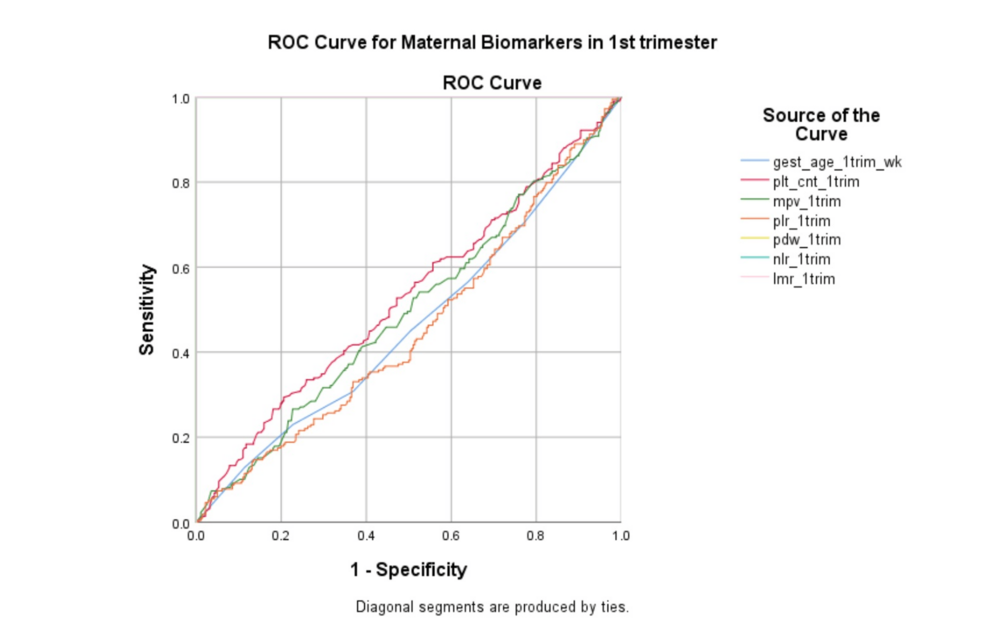
Researchers have identified elevated ratios of neutrophils to lymphocytes in maternal blood as a potential early indicator of preterm premature rupture of membranes (PPROM), a leading cause of preterm birth. A study published in Cureus in May 2023, and further supported by research in the International Journal of Reproduction, Contraception, Obstetrics and Gynecology, suggests that the neutrophil/lymphocyte ratio (NLR) can be a significant biomarker for identifying women at risk of PPROM.
The 2023 Cureus study, conducted at Şanlıurfa Education and Research Hospital in Turkey, compared hematological parameters in 67 women diagnosed with PPROM to a control group of 91 women with healthy, full-term pregnancies. Results showed a significantly higher NLR in the PPROM group (p=0.001). The study pinpointed a cutoff value of 6.73 for NLR as predictive of PPROM, with an area under the curve (AUC) of 0.671.
A separate study, published in 2021 and highlighted in the Beh Medical Bulletin, examined 80 women with PPROM between the 24th and 34th weeks of gestation, alongside a control group of 83 women without membrane rupture. This research as well found higher platelet/lymphocyte ratios (PLR) and NLRs in the PPROM group (p=0.026). The mean NLR in the PPROM group was 30.96, compared to 30.91 in the control group, whereas the mean PLR was 148.06 versus 126.74.
PPROM, defined as the rupture of amniotic membranes before the onset of labor, is a serious complication of pregnancy, particularly when it occurs prematurely. The timing of delivery is a critical factor in neonatal morbidity and mortality. Current diagnostic methods for PPROM can be limited, prompting researchers to explore readily available hematological markers as potential tools for early detection and management.
The studies suggest that PLR and NLR ratios could offer a practical, accessible method for assessing risk in women presenting with symptoms suggestive of PPROM. However, further research is needed to validate these findings in larger, more diverse populations and to determine the optimal clinical application of these ratios.
Research published in 2021 in the International Journal of Reproduction, Contraception, Obstetrics and Gynecology indicated that PLR and NLR ratios were higher in the PPROM group, suggesting their potential use in managing the condition. A study published in 2024 in obgyn.onlinelibrary.wiley.com evaluated the association between maternal NLR and delivery within 24 hours in women with PPROM, but specific findings were not detailed in the available summary.
Leave a Reply