
Mounting Evidence Links Immigration Enforcement to Worsening Health Outcomes
Washington, D.C. – Increased immigration enforcement efforts are demonstrably impacting the health and well-being of immigrant communities, according to a growing body of research.Concerns over detention and deportation-affecting even naturalized citizens-are driving negative health repercussions, reduced healthcare access, and adverse outcomes for children and families.
An estimated 4.6 million U.S.-born children currently live with an undocumented immigrant parent. KFF survey data from March 2025 reveals that approximately 32% of all immigrants report experiencing negative health effects due to worries about their own or a family member’s immigration status. These anxieties contribute to immigrants avoiding necessary healthcare, fearing costs and potential negative impacts on their immigration status, and expressing confusion regarding eligibility for public programs.
Research indicates a direct correlation between heightened immigration enforcement and diminished health. Studies show that living near areas subjected to immigration raids increases the risk of negative mental health outcomes among children of immigrants.Moreover, hispanic immigrant mothers, along with U.S.-born Hispanic mothers,experience worse birth outcomes compared to non-Hispanic White mothers in areas impacted by these raids. Education outcomes also decline among Hispanic children in these regions compared to their White peers.
The trauma of family separations, resulting from enforcement actions, is particularly damaging, leading to increased rates of anxiety, depression, and posttraumatic stress disorder in both children and caregivers. These separations also create financial instability for mixed-status households due to income loss.
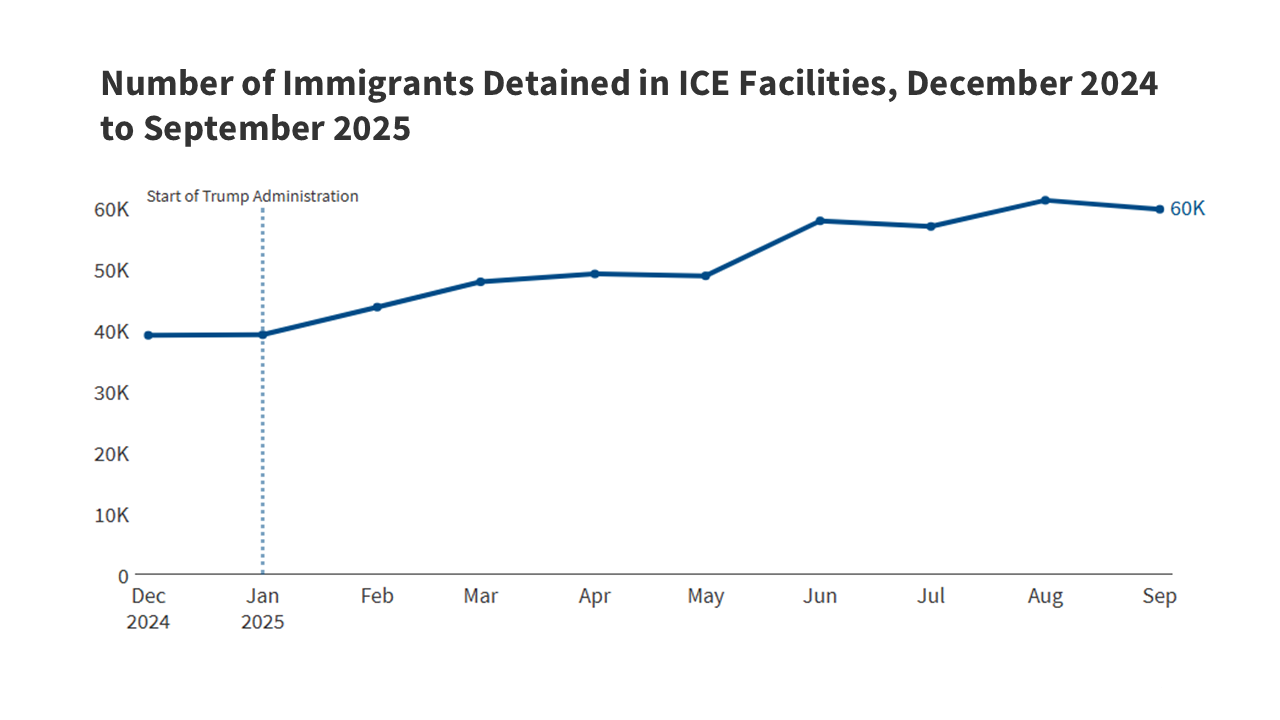
Beyond individual health impacts, mass detention and deportation efforts may negatively affect the national economy and workforce, given the significant role immigrants play in key sectors like healthcare.Over 1 million immigrants are estimated to have left the U.S. labour force as January 2025.
