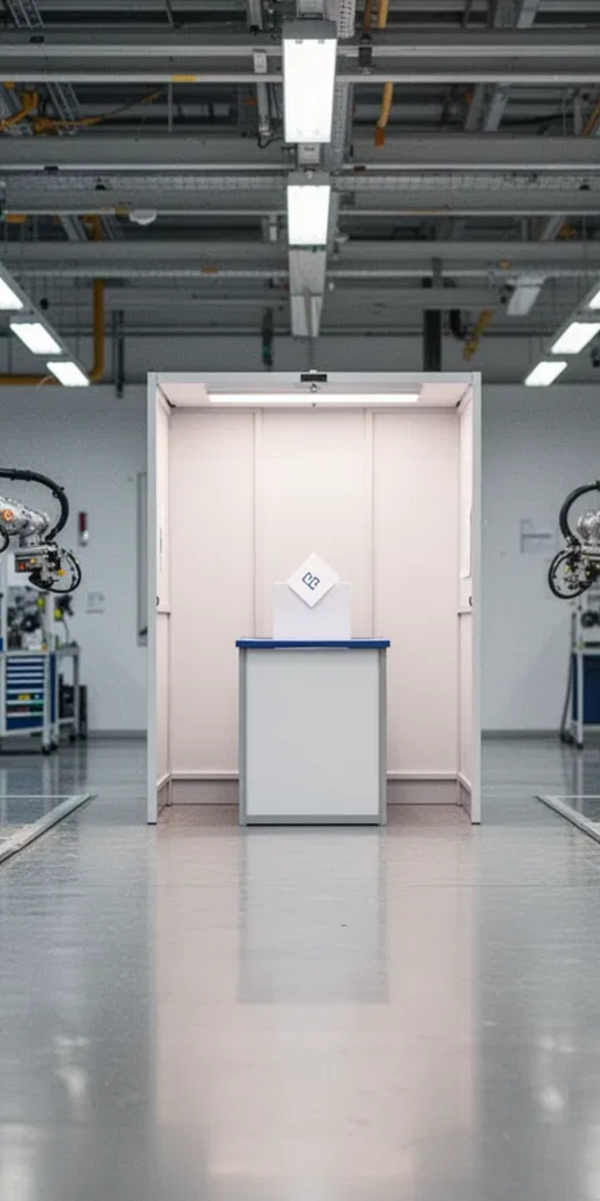
German industrial relations are bracing for a period of potential upheaval as the current round of works council elections draws to a close. With a deadline of May 31, 2026, the elections are unfolding against a backdrop of economic uncertainty, restructuring within the automotive sector, and a rapidly evolving digital landscape.
Early results, as of March 19, 2026, indicate a continued strong showing for established trade unions, particularly IG Metall. The union reported securing approximately 2,300 of the 2,900 mandates awarded thus far, representing nearly 80 percent of the early seats contested. This consolidation of power is particularly evident within the automotive industry, a key sector for German manufacturing.
At Volkswagen’s main plant in Wolfsburg, IG Metall retained a significant majority, garnering 74.8 percent of the vote and securing 52 of the 67 available seats. Whereas this represents a decline from the 85.5 percent achieved in the 2022 elections, it still positions the union as the dominant force within the plant. “Die Andere Liste,” a faction led by former IG Metall Wolfsburg chief Frank Patta, saw its support increase to 14.1 percent, gaining six seats and expanding its representation from four to ten. Patta’s list had previously criticized the current works council leadership, particularly regarding the planned relocation of VW Golf production to Mexico.
Similar patterns of union strength were observed at other major Volkswagen facilities. In Zwickau, IG Metall secured over 81 percent of the vote, winning 29 of the 35 available mandates. The “Bündnis Freier Betriebsräte” maintained its position with 11.5 percent of the vote. Clear union majorities were too confirmed at Porsche and BMW plants in Leipzig, representing around 13,000 employees.
Despite concerns about potential gains by far-right or populist groups, early indications suggest that such parties have not achieved significant breakthroughs in the major industrial operations. This contrasts with broader political trends in Germany, where the Alternative for Germany (AfD) has been gaining traction. Still, experts caution that smaller, “alternative” lists could still gain a foothold, potentially complicating the landscape.
The timing of these elections coincides with a period of significant restructuring for many German companies. Cost-cutting measures, potential site closures, and the transition to electric mobility are all contributing to a complex environment. This creates a challenging legal landscape for both employers, and unions. According to legal experts at Eversheds Sutherland, negotiations regarding social plans and agreements must be carefully planned, as delays could necessitate restarting negotiations with the newly elected works councils, potentially leading to uncertain outcomes.
Employers are also bound by a strict neutrality requirement during the election period. Any actions perceived as attempts to influence the outcome could render the election results legally contestable. While management can express general expectations for future cooperation, direct interference is prohibited.
Recent rulings by the Federal Labour Court (BAG) have also clarified the application of works council regulations in the platform economy. In a series of decisions issued on January 28, 2026, the court ruled against the establishment of separate works councils for decentralized structures within platform-based services, such as delivery zones. The court determined that a shared schedule and digital communication via app were insufficient to constitute an “in-house operation” as defined by German labor law.
Analysts suggest that the continued strength of established unions reflects a desire for stability and experienced representation during times of uncertainty. The Hans-Böckler-Stiftung has launched a research project to examine the evolving role of works councils in the face of these challenges, focusing on how co-determination can be secured in new corporate structures. The role of works councils is shifting beyond negotiating social plans to actively shaping transformation processes, including IT projects and large-scale retraining initiatives.
As the election period nears its conclusion, companies are focused on ensuring the legally sound execution of the elections to avoid challenges and potential re-votes. Following the constitutive meetings of the new works councils this summer, the focus will shift to navigating the complex relationship between management and employee representatives, particularly in the context of ongoing restructuring efforts. The coming four years will test the resilience of the German model of industrial relations, with success dependent on the ability of both sides to balance global competitiveness with socially responsible change.
Leave a Reply