
North Korea‘s Human Rights situation Worsens, UN Report Finds After Decade of Monitoring
A new report from the United Nations details a worsening human rights situation in the Democratic People’s Republic of Korea (DPRK) over the past ten years, characterized by increased surveillance, repression, and suffering. The findings,released by the Office of the High Commissioner for Human Rights (OHCHR),indicate a continued failure by the DPRK to adhere to international human rights obligations.
The report highlights a trend of escalating control over citizens through new laws, policies, and practices, leading to the imprisonment of individuals as political prisoners and thier forced conscription into labor.
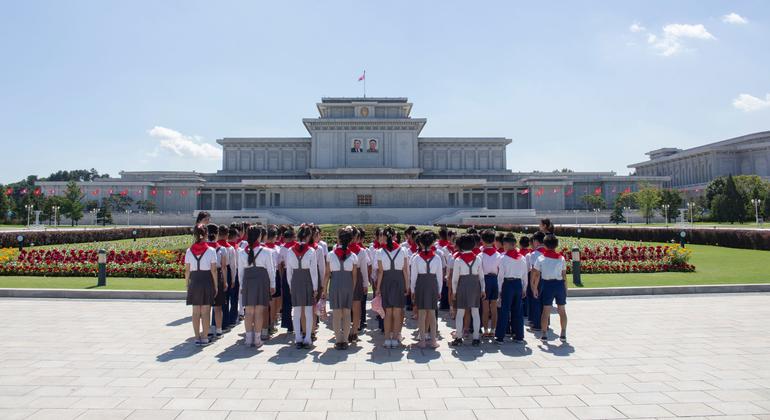
A especially concerning practice is the use of “shock brigades” – groups comprised of thousands of orphans and street children forced to work in dangerous environments like coal mines. These children are exposed to hazardous materials and endure long working hours. According to the report, school children are also routinely mobilized for physically demanding agricultural work, ostensibly as a ”curriculum to help them learn life skills.” However, as stated by UN Special Rapporteur on the situation of human rights in the DPRK, Mr. Heenan, “it meets the qualification of forced labor because the children have no choice.”
Forced labor is not limited to children. Members of the military, the prison system, and citizens from impoverished backgrounds seeking to improve their social standing or join the ruling party are also compelled to participate in these brigades. The report notes that deaths are frequent under these harsh conditions, but instead of improving safety, the DPRK government publicly celebrates these deaths as sacrifices to the leader.
The report also details the widespread use of the death penalty. While executions decreased after a peak in 2014 and 2015 – when many senior officials were reportedly executed for “anti-State acts” – the practice has resurfaced since 2020.Executions are now reportedly carried out for offenses including the distribution of unauthorized media, drug-related crimes, economic offenses, prostitution, pornography, trafficking, and murder. Since 2015, six new laws have been enacted expanding the scope of offenses punishable by death, including vaguely defined “anti-state” propaganda. Witnesses have reported observing public executions, organized by the government to instill fear and deter dissent. “To block the people’s eyes and ears, they strengthened the crackdowns,” one witness told OHCHR.
Despite some reported improvements in the treatment of detainees and the ratification of two additional human rights treaties, the report concludes that the DPRK remains far from fulfilling its international legal obligations.The nation’s extreme isolation continues to hinder effective monitoring and implementation of human rights standards.
“What we have witnessed is a lost decade,” said UN human rights chief Volker Türk. “And it pains me to say that if DPRK continues on its current trajectory, the population will be subjected to more of the suffering, brutal repression and fear that they have endured for so long.”
