
Study Challenges ”Deficit“ View of Autistic Interaction, Finds High Rapport Within Autistic Pairs
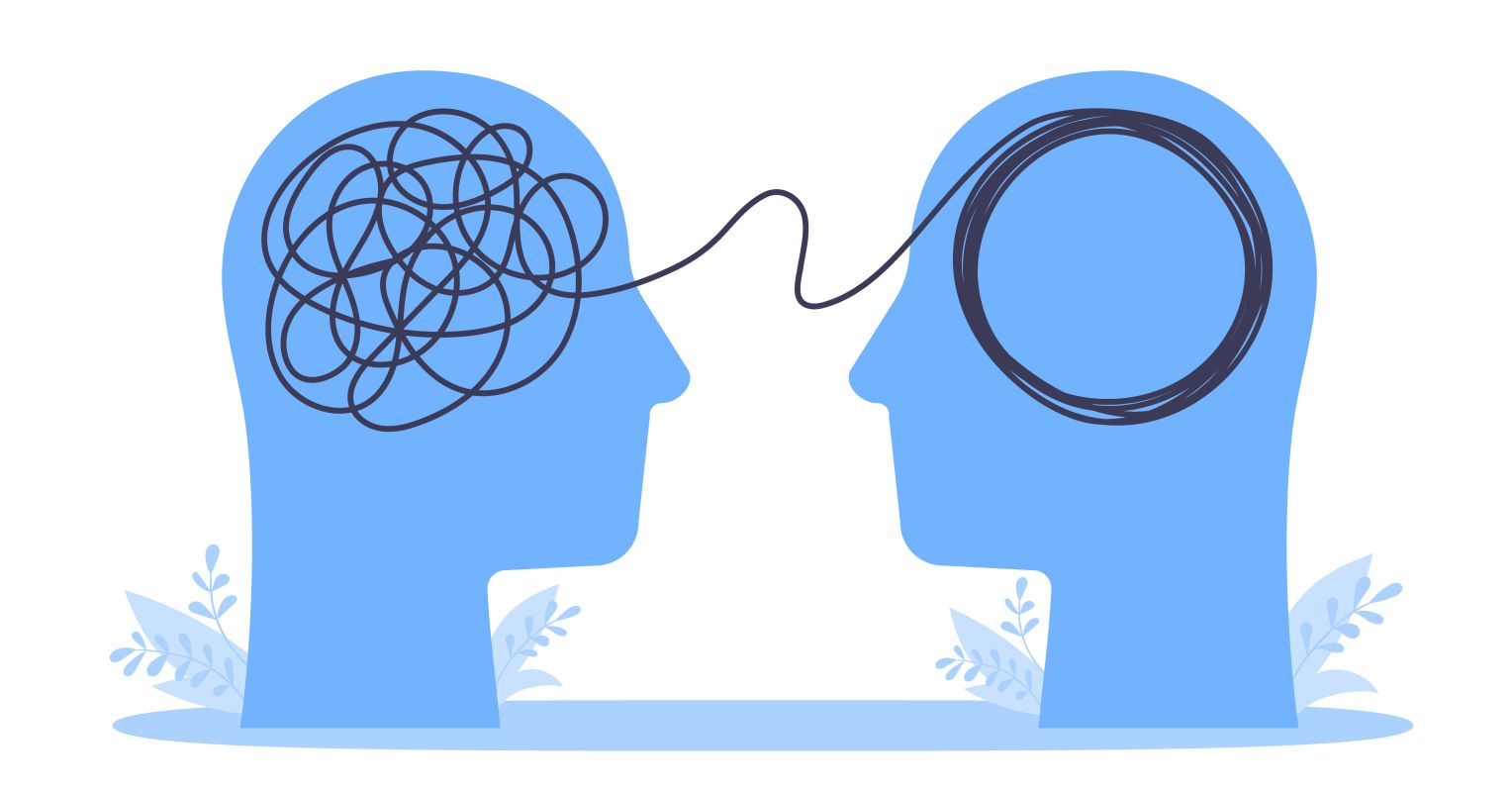
New research suggests autistic individuals don’t lack social skills, but rather communicate in ways uniquely suited to their neurotype, challenging long-held assumptions about social deficits. A recent study examining rapport in different pairings – autistic-autistic, neurotypical-neurotypical, and mixed - revealed surprising results. Autistic pairs reported the highest levels of rapport, followed by neurotypical pairings, while mixed pairs reported the lowest.
Notably, external observers rated autistic pairings as exhibiting the highest rapport, even surpassing that of neurotypical pairs.This discrepancy between self-reported and observed rapport in mixed pairings highlights a potential misattunement in cross-neurotype interactions.
the findings underscore a growing movement to reframe autism not as a deficiency, but as a difference in communication styles. researchers and advocates argue that viewing autistic communication through a “deficit” lens overlooks the validity and effectiveness of autistic social connection.
This shift in perspective has significant implications for how autism is understood and supported. Experts suggest approaching cross-neurotype interactions with the same curiosity and openness applied to cross-cultural exchanges. Social skills training for autistic individuals should be reframed, not as teaching “correct” social behavior, but as providing tools for navigating neurotypical social norms – one set of norms among many.
Valuing autistic communication styles, such as directness, detailed focus, and shared special interests, is also crucial. Communication breakdowns, the study suggests, often stem from mismatches in style, requiring adaptation from all parties involved, not just autistic individuals.
A key barrier to understanding is the frequently enough-unrecognized nature of neurodivergence. When differences aren’t acknowledged, misunderstandings can be misattributed to personality flaws rather than communication style. Naming these differences, however, can foster empathy and reduce shame.
While autistic individuals may still benefit from learning neurotypical social skills as a means of navigating a neurotypical world, framing these skills as tools - rather than “the right way” to socialize - can build confidence. Concurrently,recognizing and validating autistic modes of connection,like object-based conversations and parallel play,allows autistic individuals to feel more comfortable and authentic in their interactions. Ultimately, the research advocates for a move away from a deficit-based model towards one of mutual understanding and acceptance of neurodiversity.
